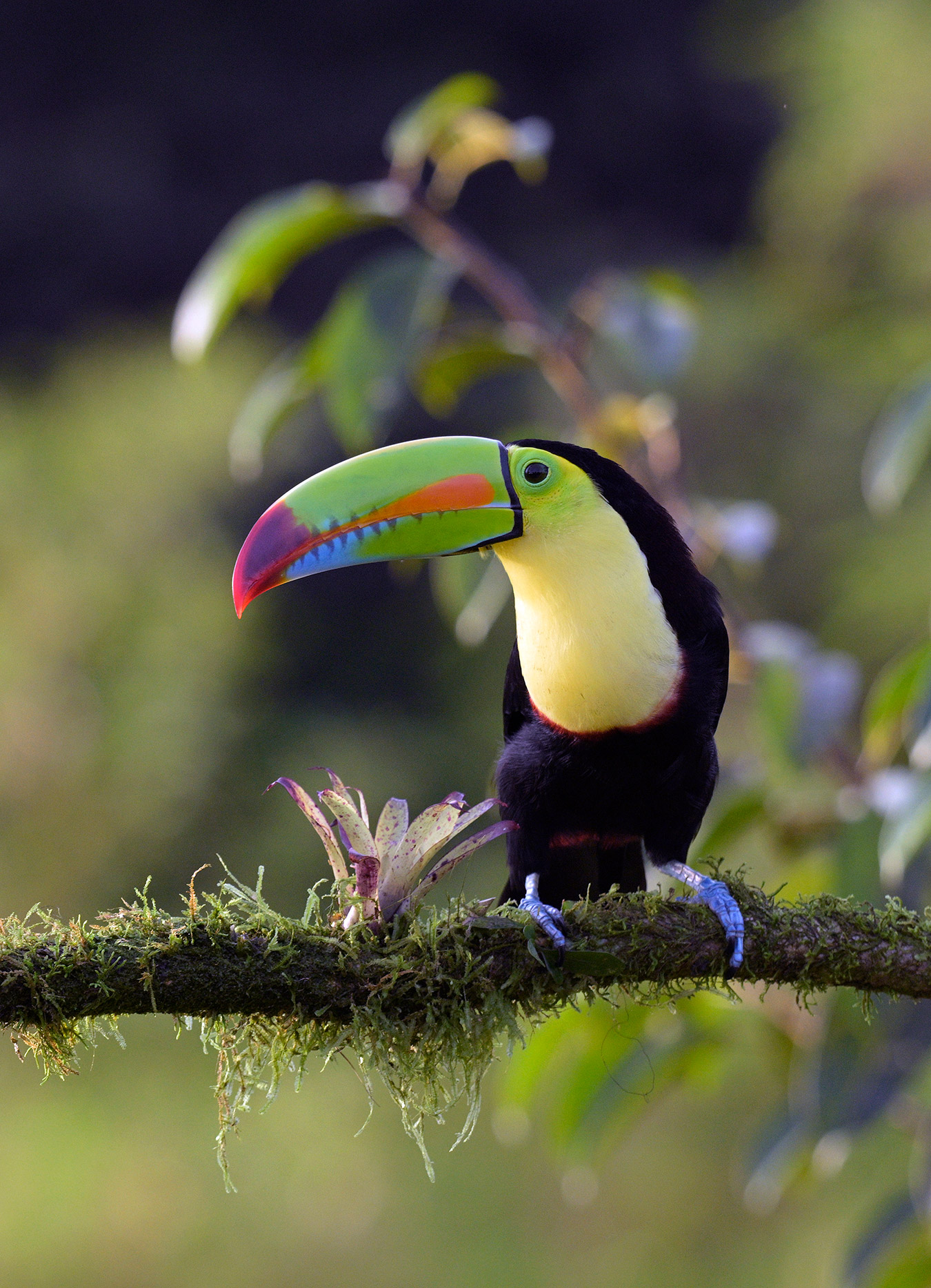
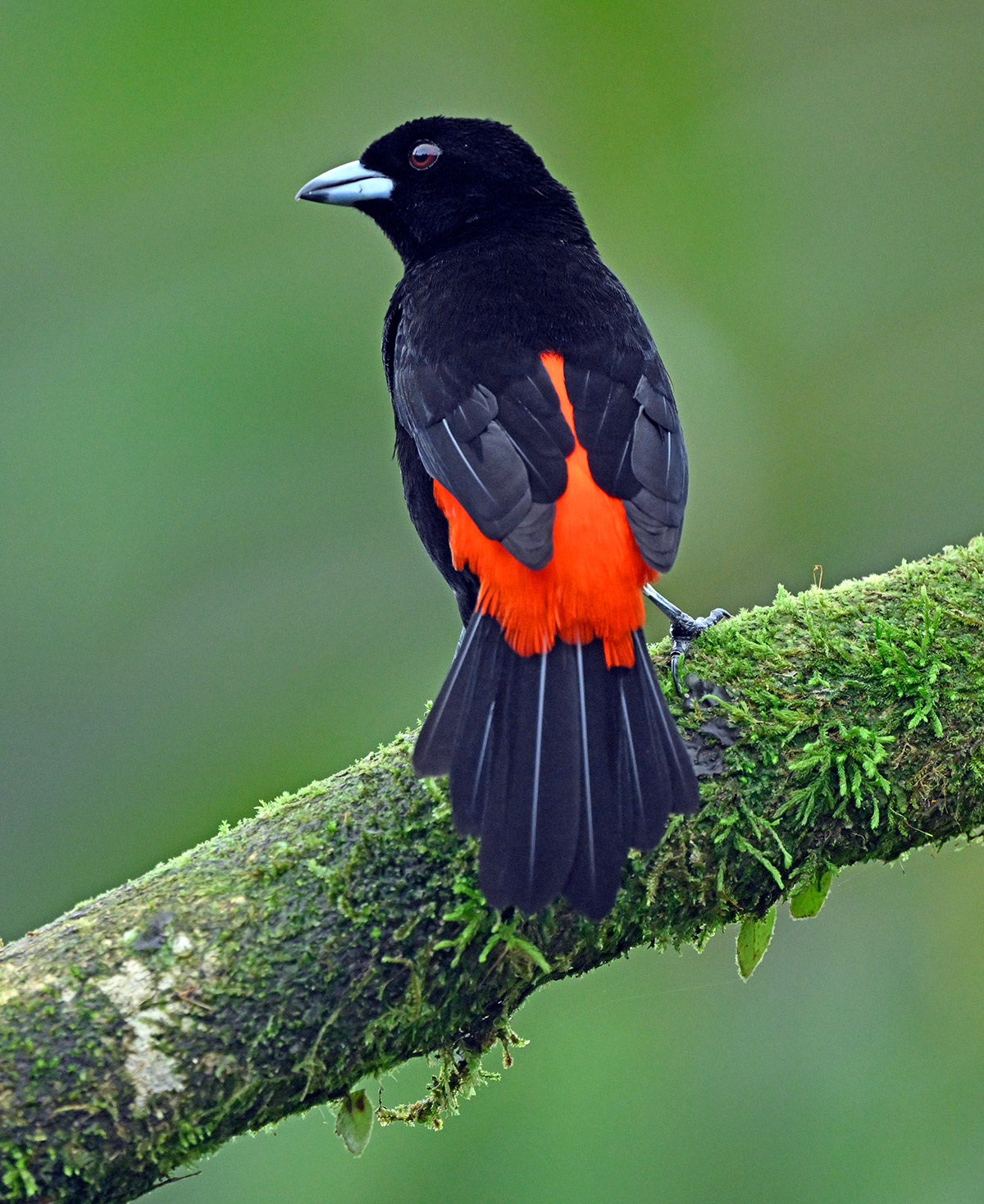
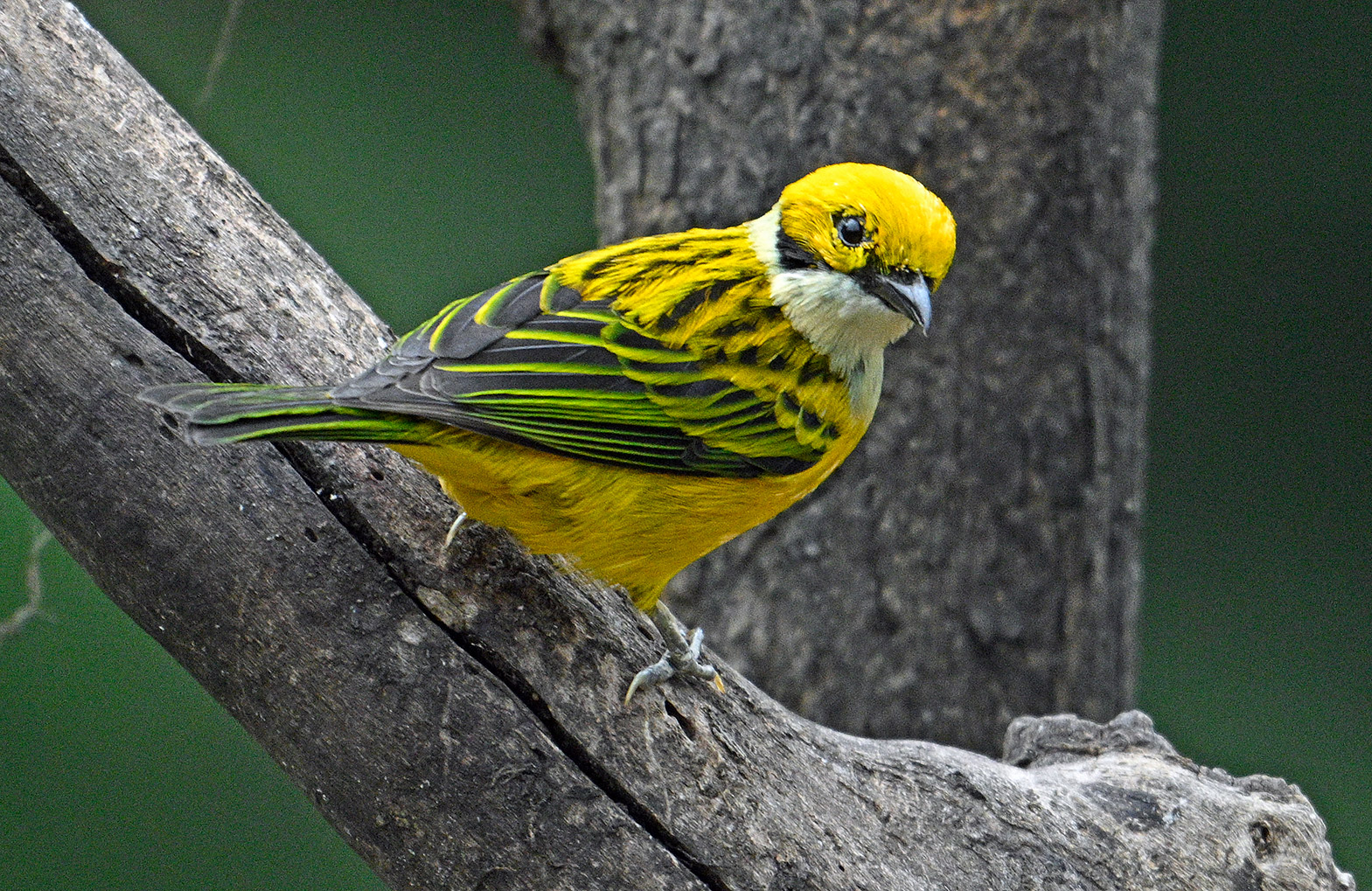
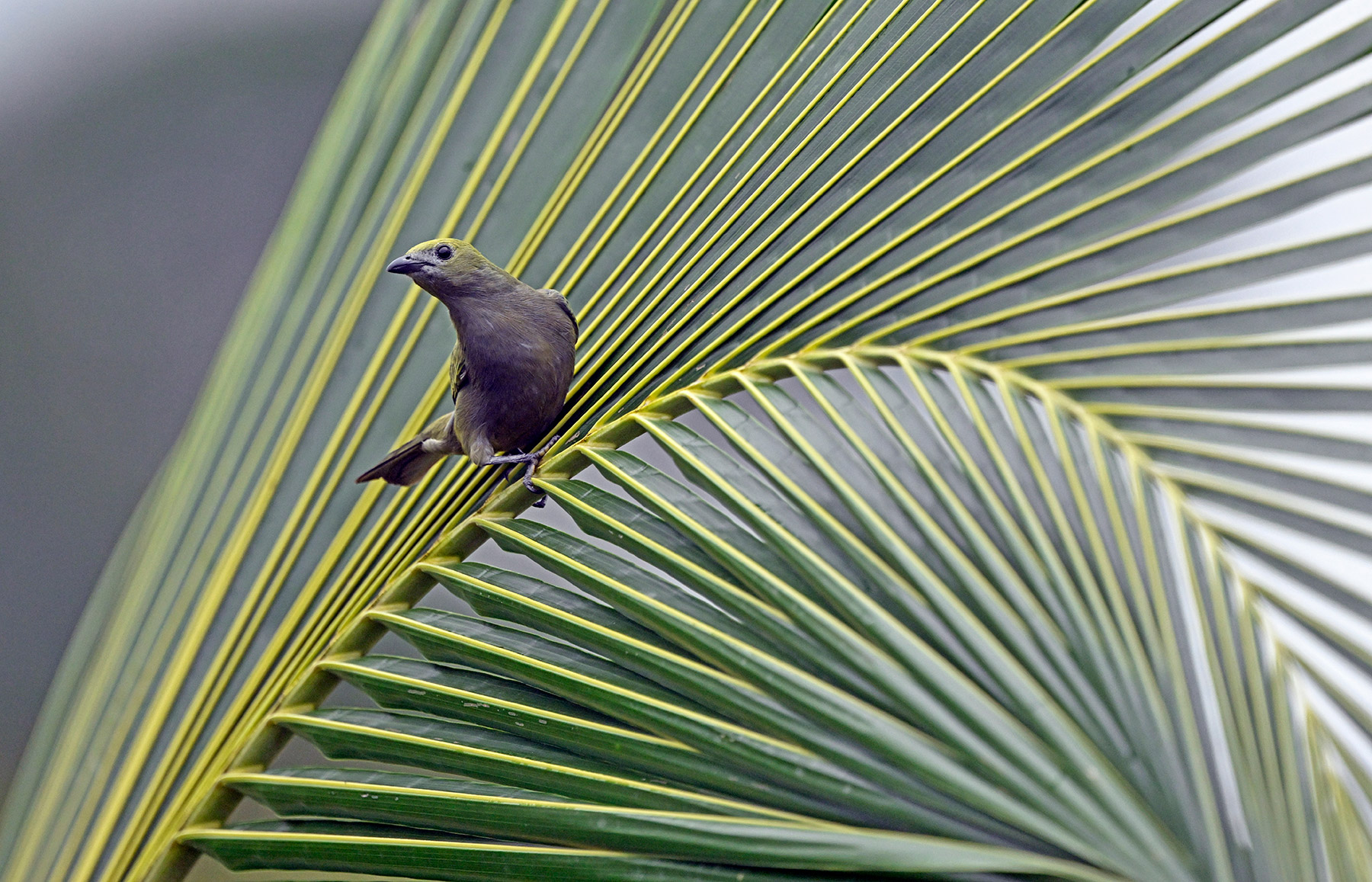
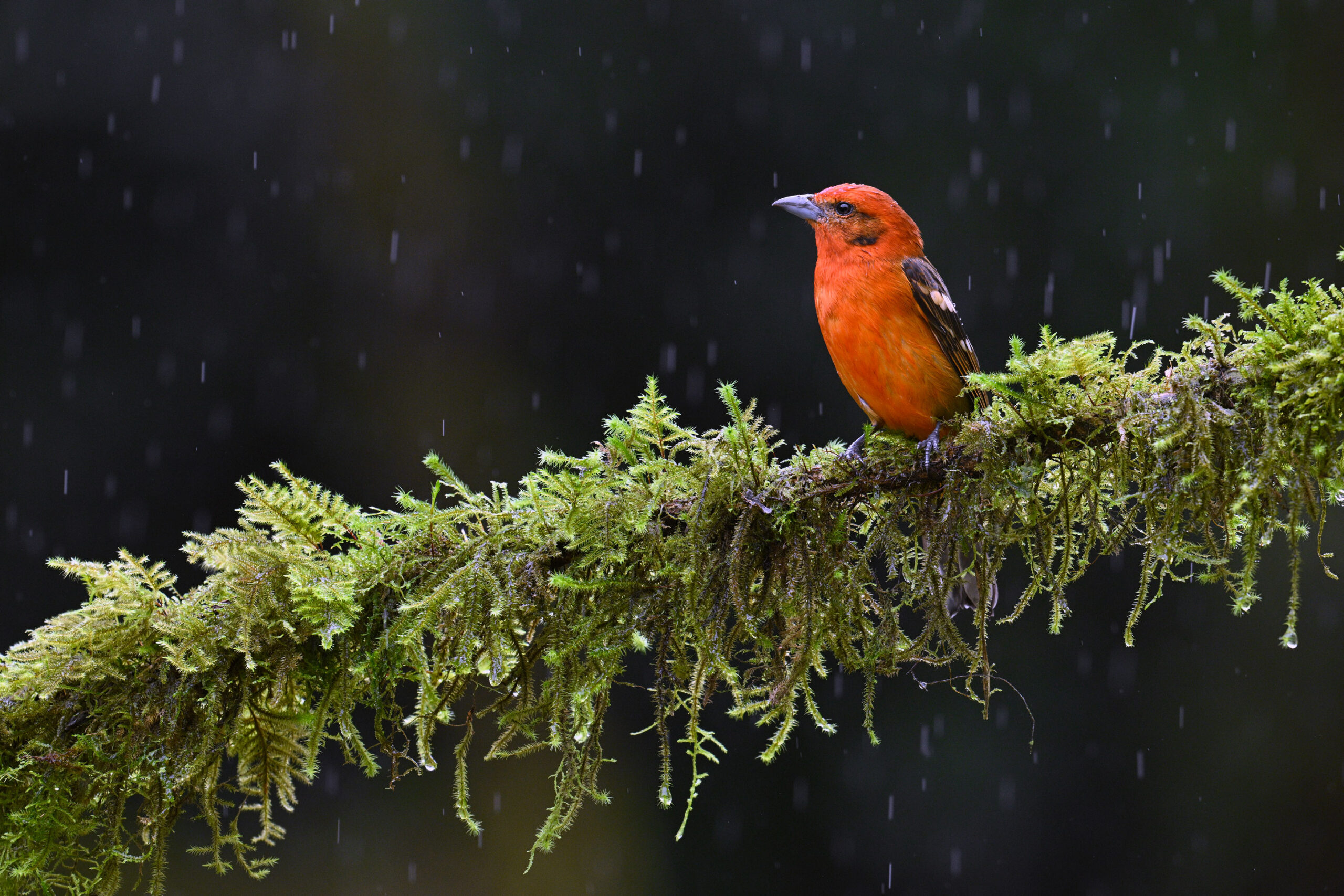
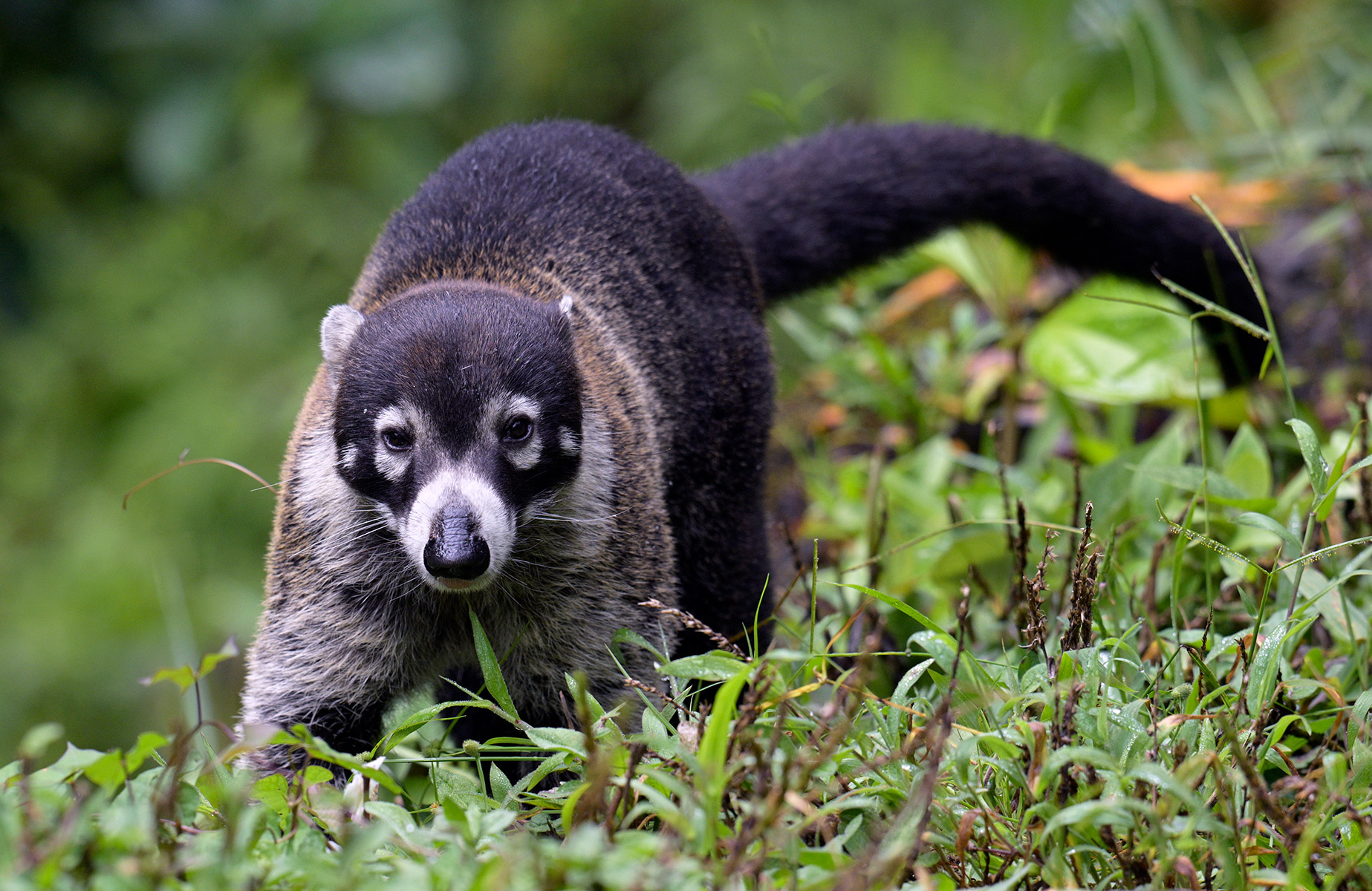
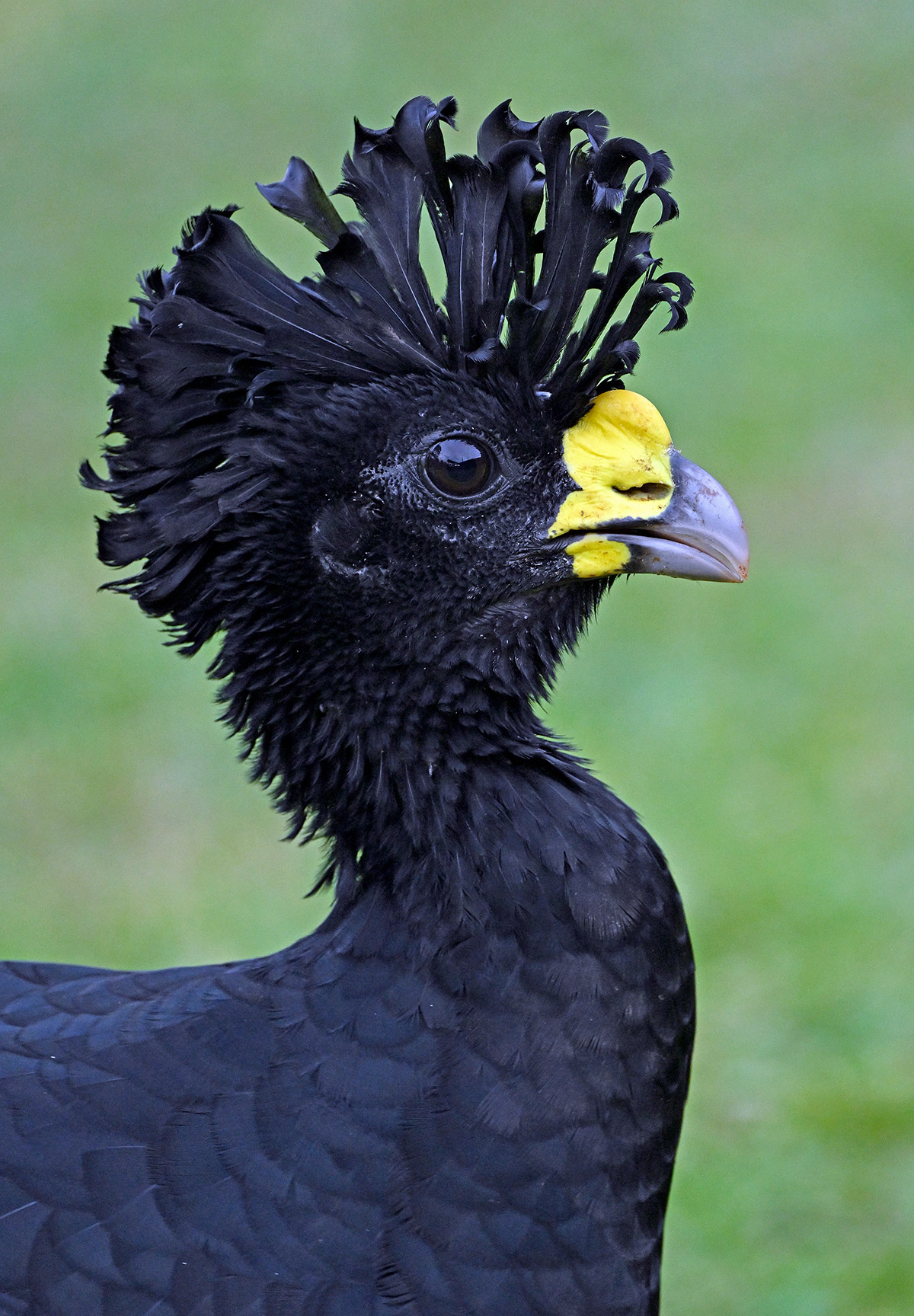
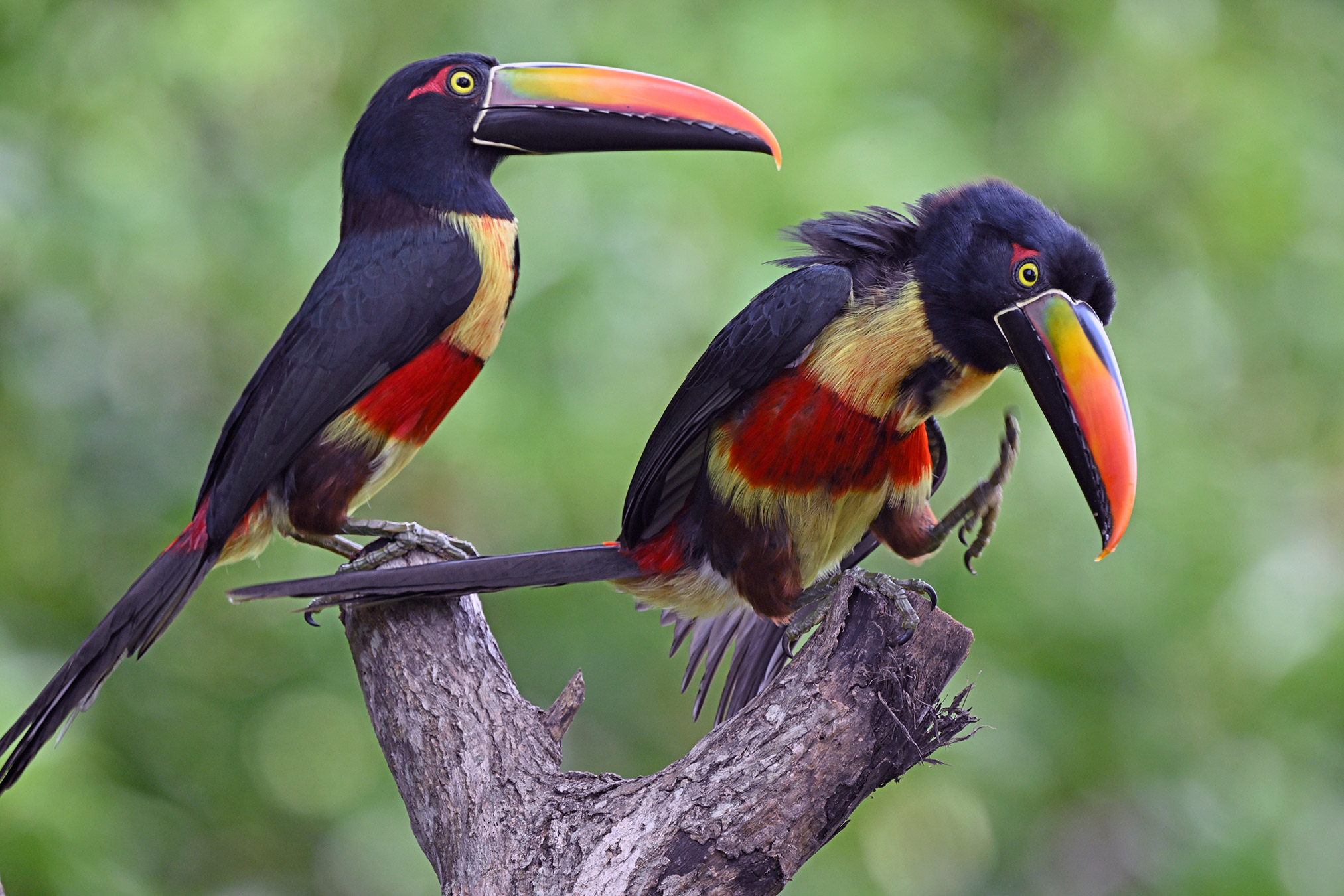
For my first trip to the tropics (outside of Mexico and the Caribbean) I was blessed to be able to join John Crawley and his family for a 10-day tour of Costa Rica, in search of the iconic birds and critters of this most hospitable Latin American country. The trip started with a bang…. toucans, parrots and king vultures at the well known Laguna Lagarto Lodge near the Nicaragua border. Tropical birds love bananas, and many ecotourism lodges present a breakfast platter of banana clusters and perhaps mangoes and other treats. Adjacent, attractive mossy perches are typically refreshed daily to create new looks for birds queuing up for their turn on the banana cluster. A variety of songbirds would stage here too, yet the large branches were overpowering for such small bodies. Fortunately, there was a lovely native tree next to the feeders where the smaller birds would stage and this is where I like to make magic…. birds immersed in native tropical vegetation.
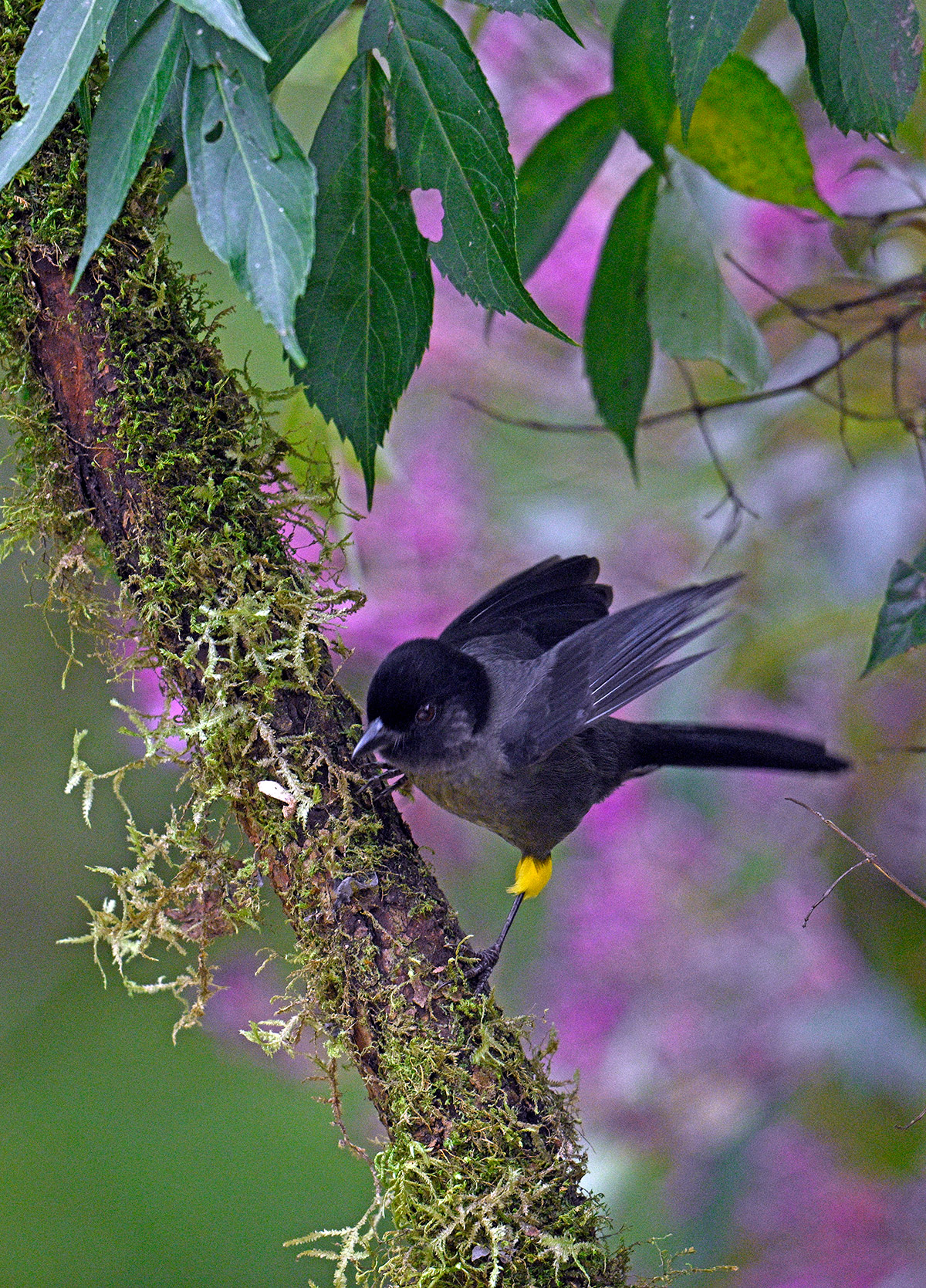
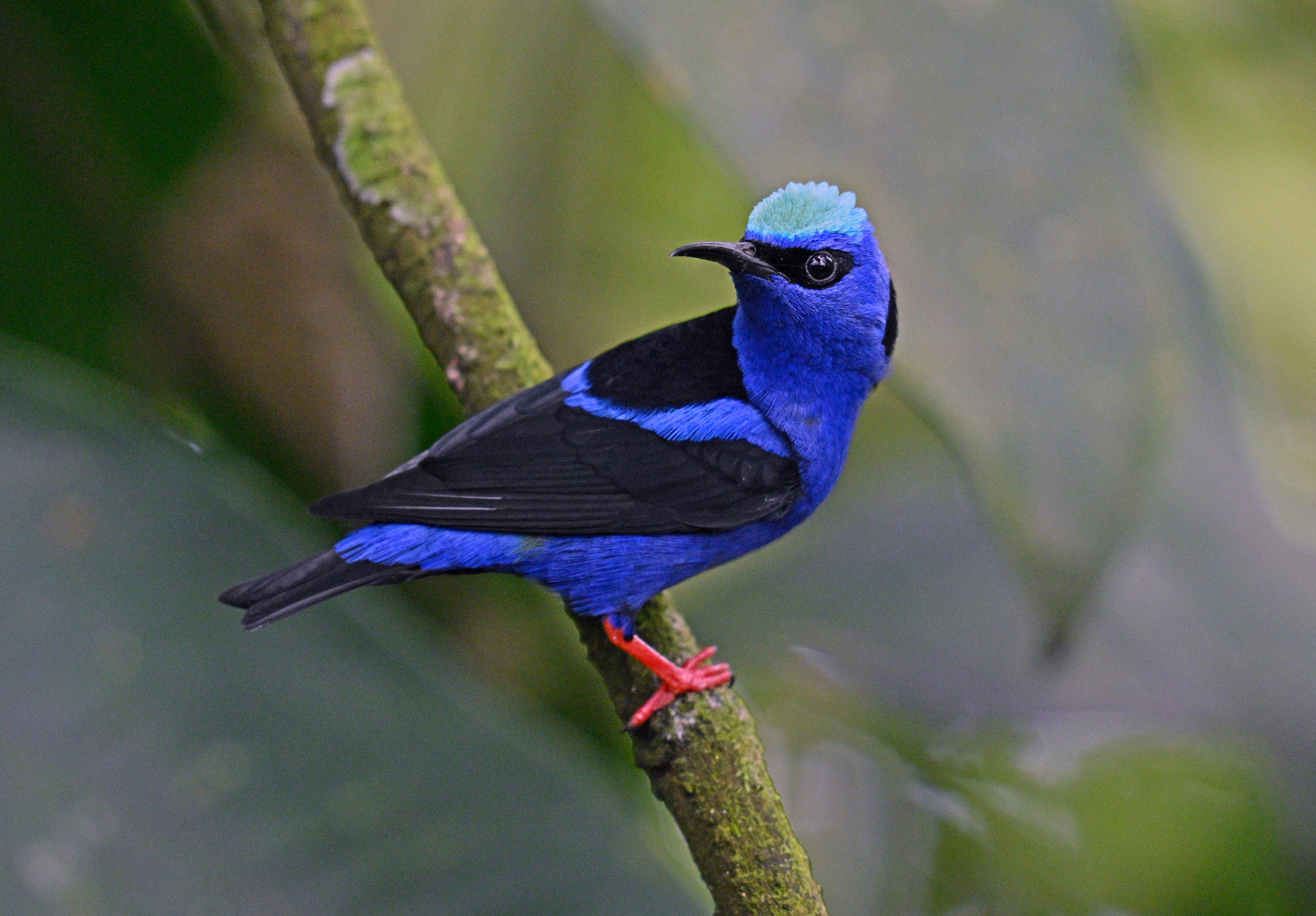
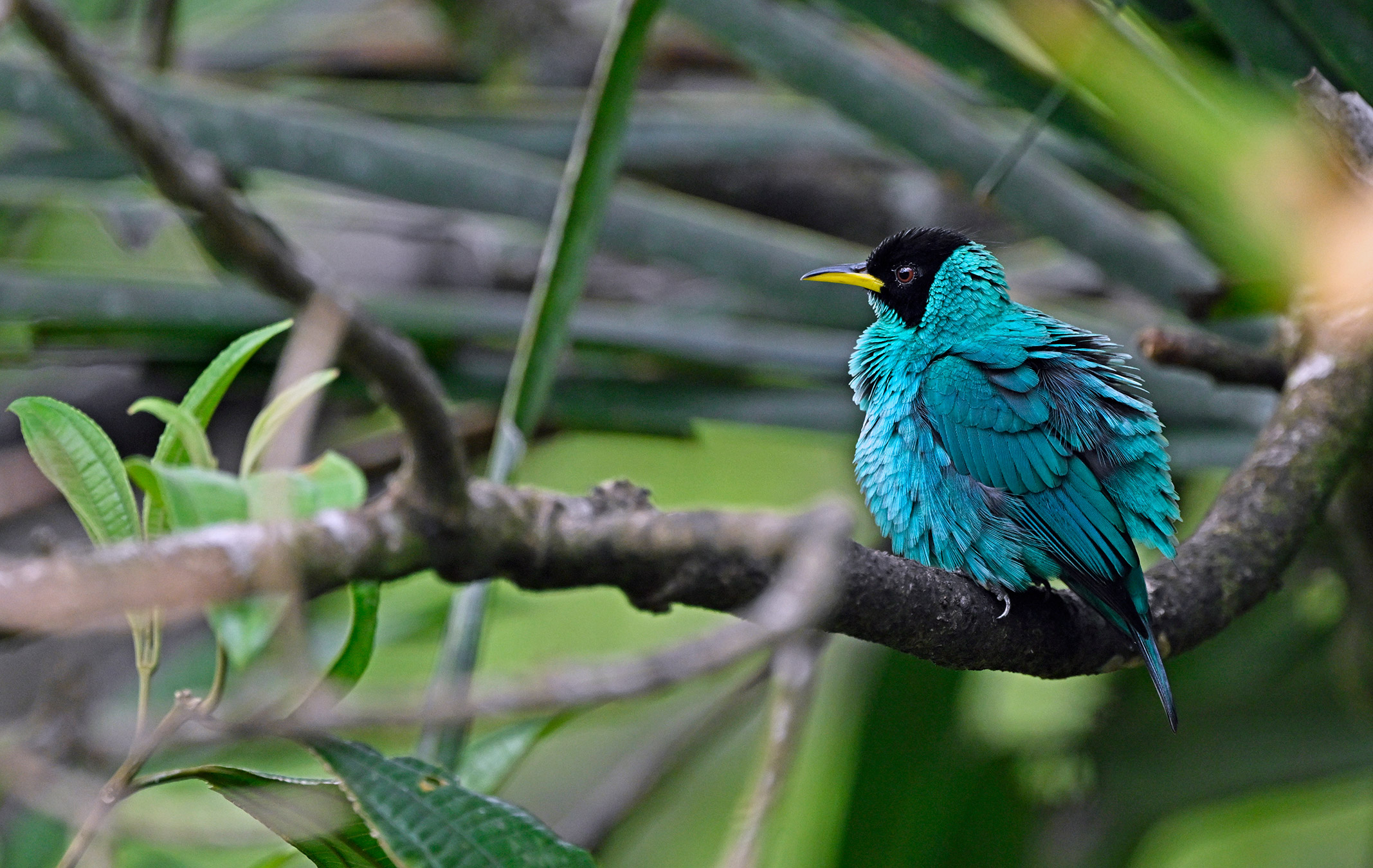
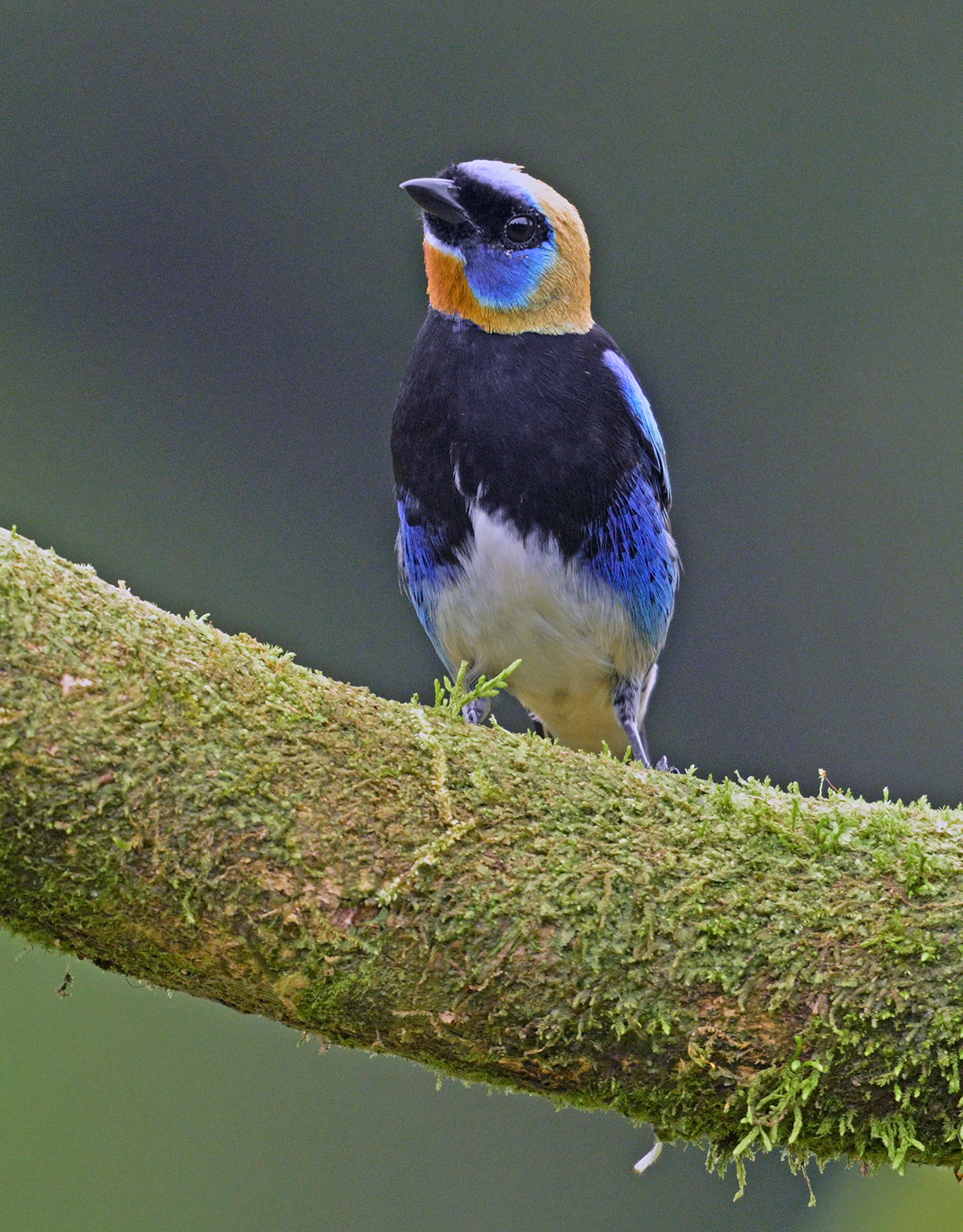
Blue-gray tanagers, green and red-legged honeycreepers, yellow-crowned euphonias… these were all new species for me! It was like my 10-year-old self digging into a mountain of colorfully-wrapped presents under the Christmas tree at 8 a.m. sharp! I’ve always loved songbirds, and after having photographed nearly all of the North American species over a 25-year period, the Costa Rica menu offers a treasure trove of new delights.
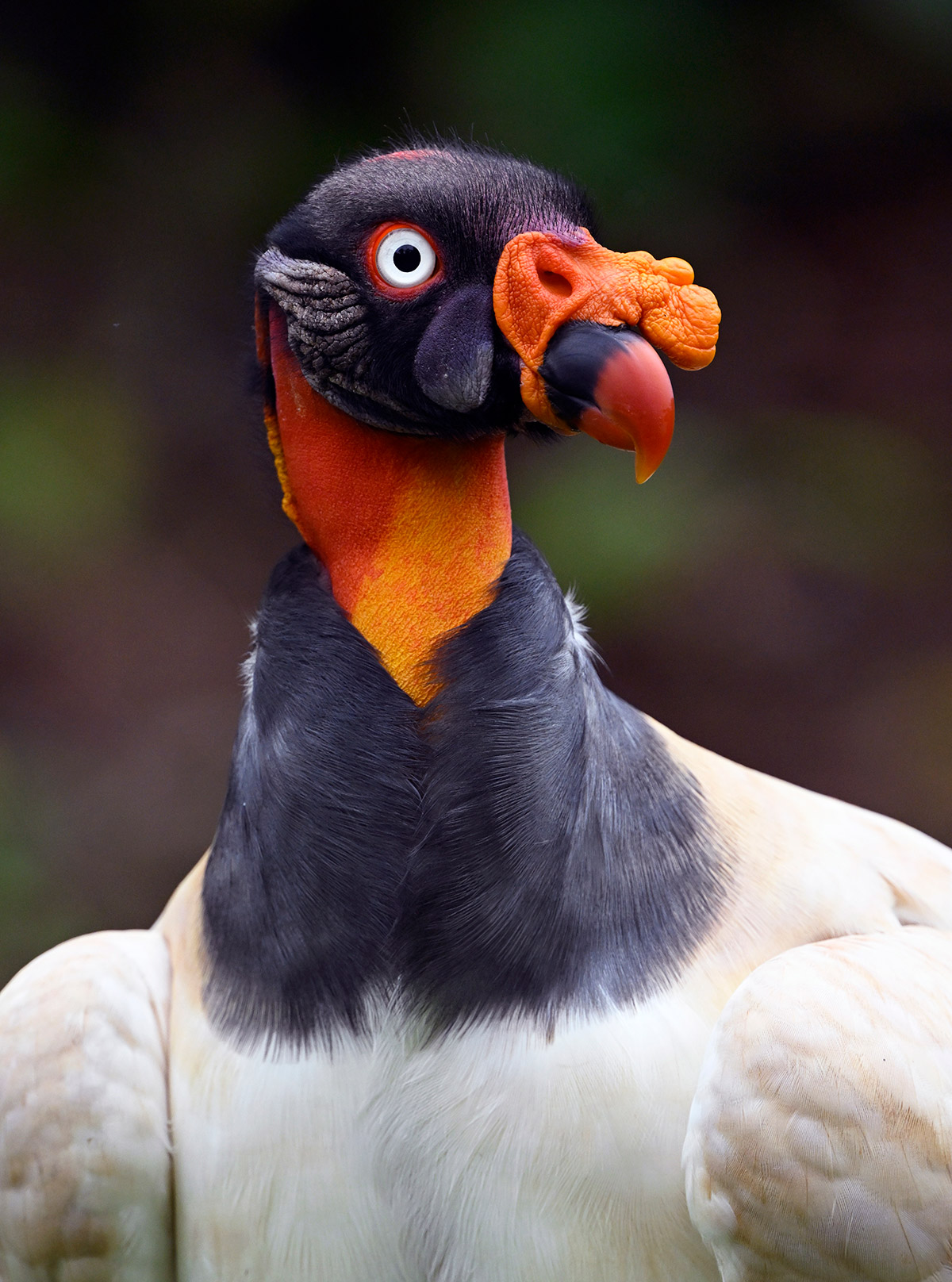
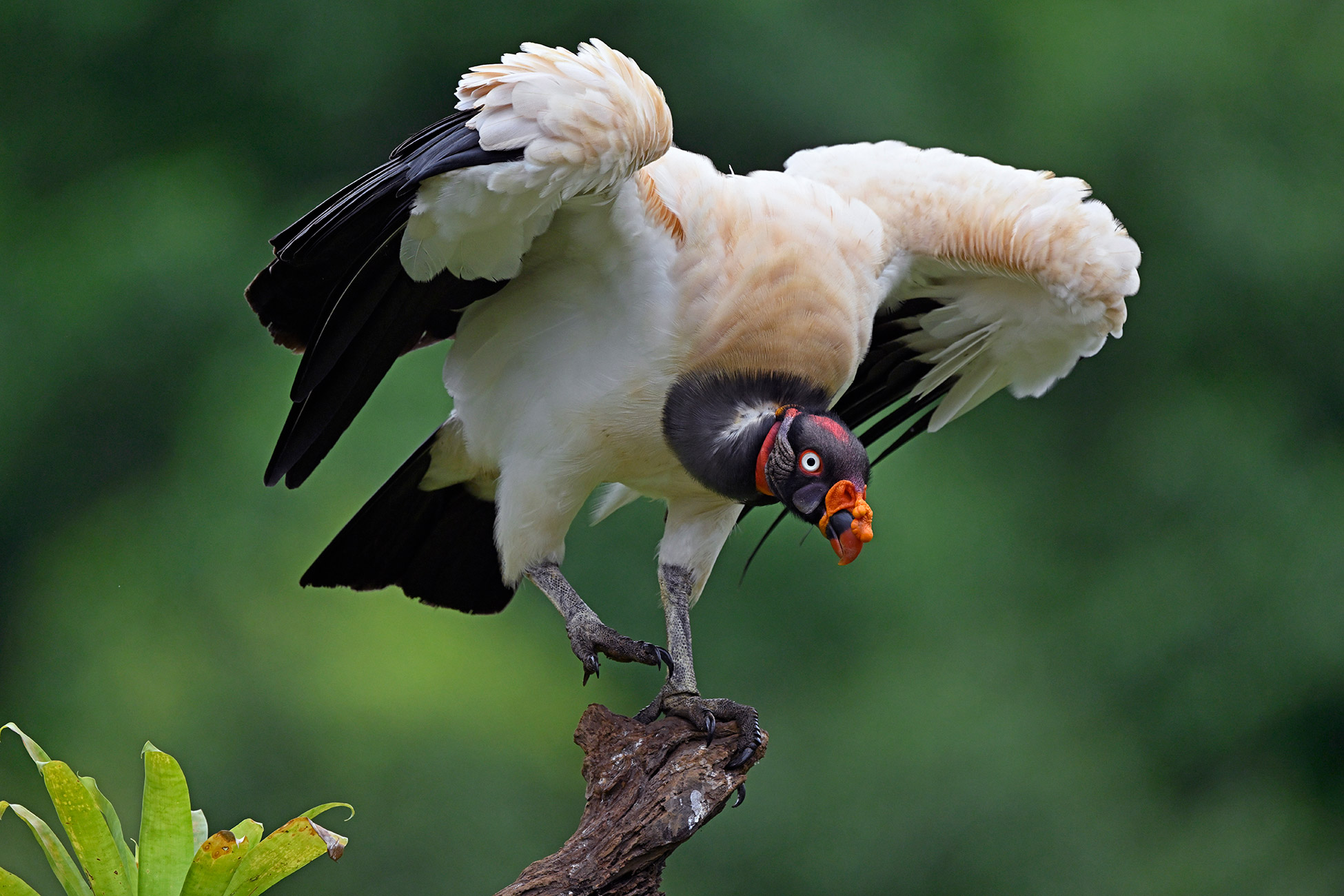
The vulture blinds at Laguna Lagarto are fabulous, living up to my lofty expectations after seeing years’ worth of my colleagues’ images taken here. The bizarre and extraordinarily colorful king vulture is a notoriously difficult bird to see in the wild as they are quite shy of humans. Here at the blinds they’ve been acclimated over the years such that now it is easy to get headshots. There is no netting which makes the photography especially delightful. We had perhaps 5 adults and a juvenile show up over the morning session along with dozens of black vultures. When you observe the two species interact, it will become clear why the colorful species is called king… these birds have swagger!
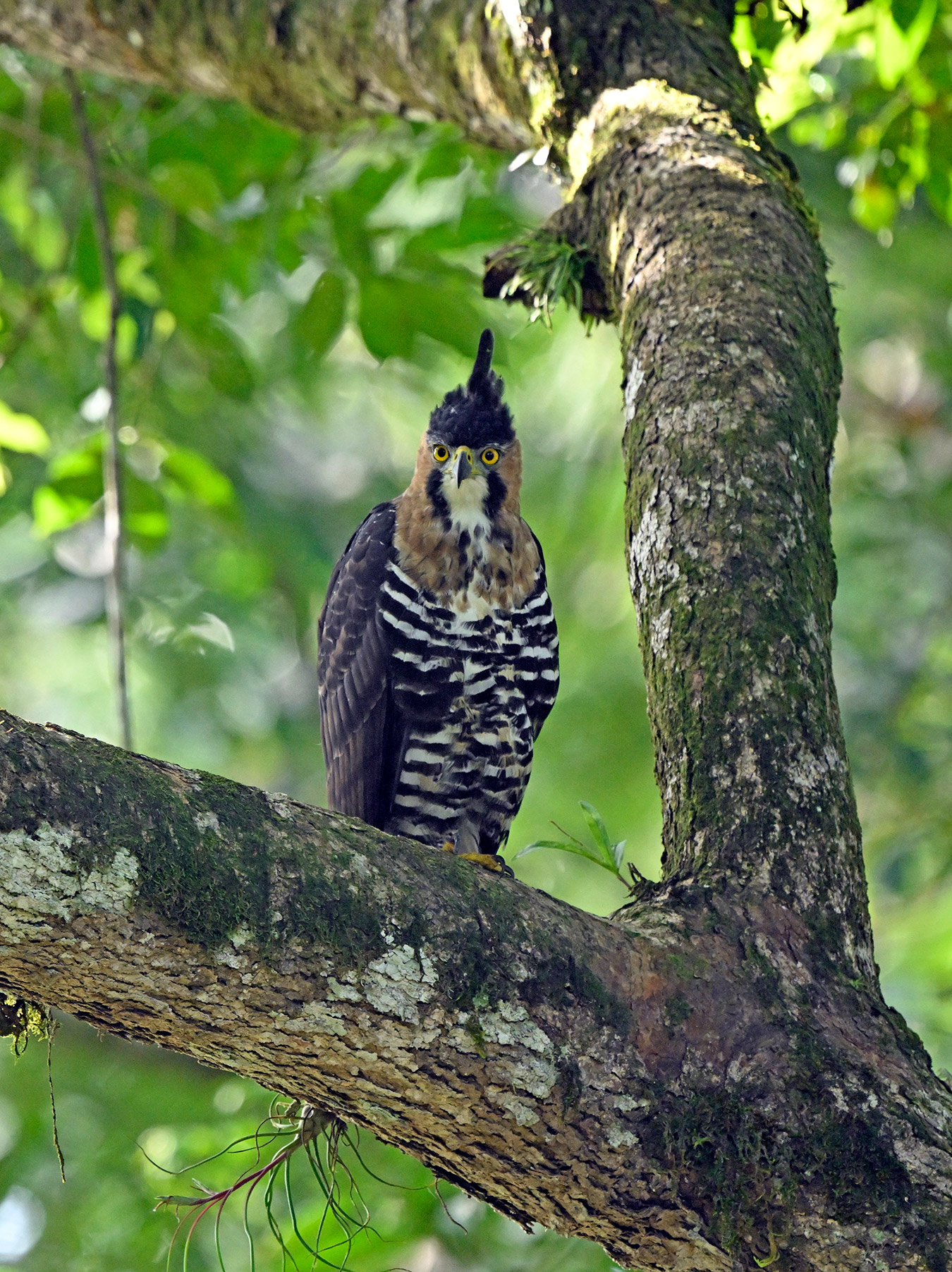
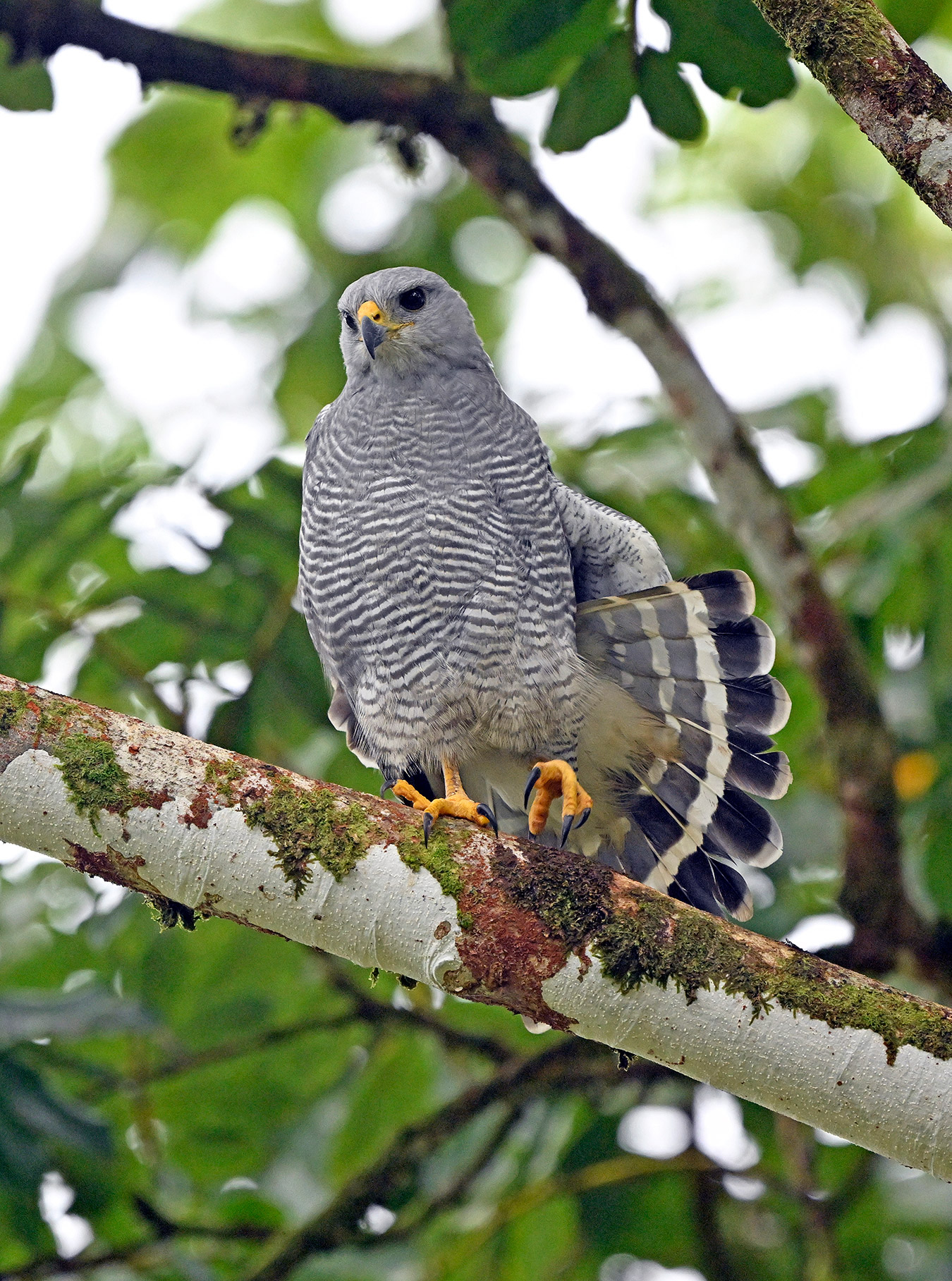
Speaking of birds of prey, we had a really nice wing stretch from a lovely gray hawk perched in a huge tree near the feeders. Now we know why we didn’t see that many songbirds staging for the bananas that morning. John’s grandson, an avid birder and photographer, has great eyes and was the first to spot the hawk calmly perched above the feeders. We actually got a double, alternating wing stretch in even light. While loading up for the bus one of the Lodge guides reported an ornate hawk eagle just down the trail… I was gathering gear within a second. The hawk is simply stunning beyond words. Again, the raptor calmly perched while we worked different angles, very unusual for a bird of prey. Apparently lightning can strike twice.
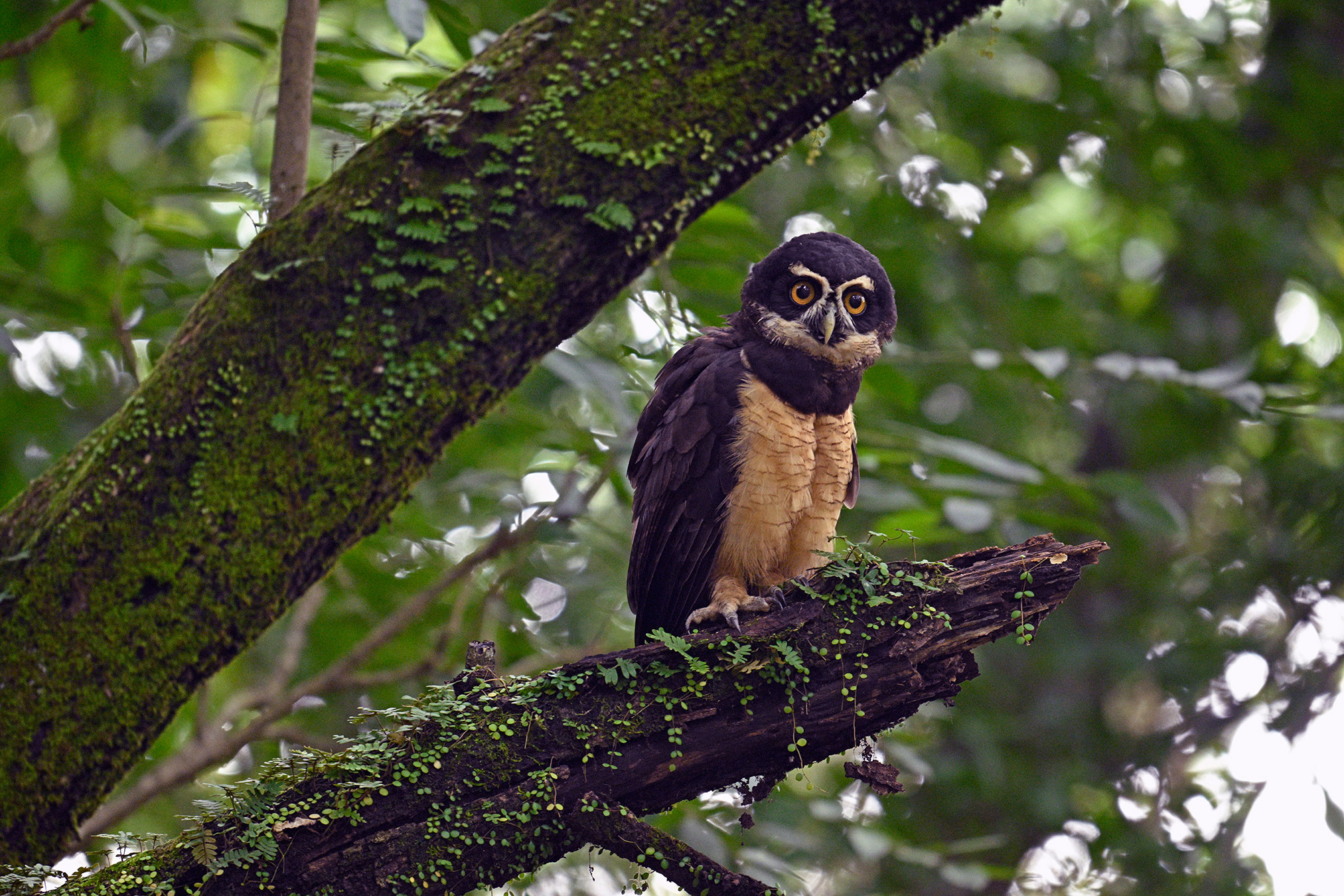
Our next stop was to visit the legendary Cope, a local artist and birding genius, who took us into a nearby patch of rainforest. It started out well enough, with Cope spotting a tiny green hairstreak butterfly on a little green leaf in a sea of green leaves… this man is a Merlin! Then he took us to see two different (crested and spectacled) tropical owls, yet while maneuvering through the impossibly dense rain forest, the heavens unloaded, and we were not prepared! Never again will I enter a rainforest (even during the “dry season”) without a proper raincoat in my backpack. We got so drenched that we just started laughing at the absurdity of the situation. Definitely a scene for “The Big Year” tropics edition!
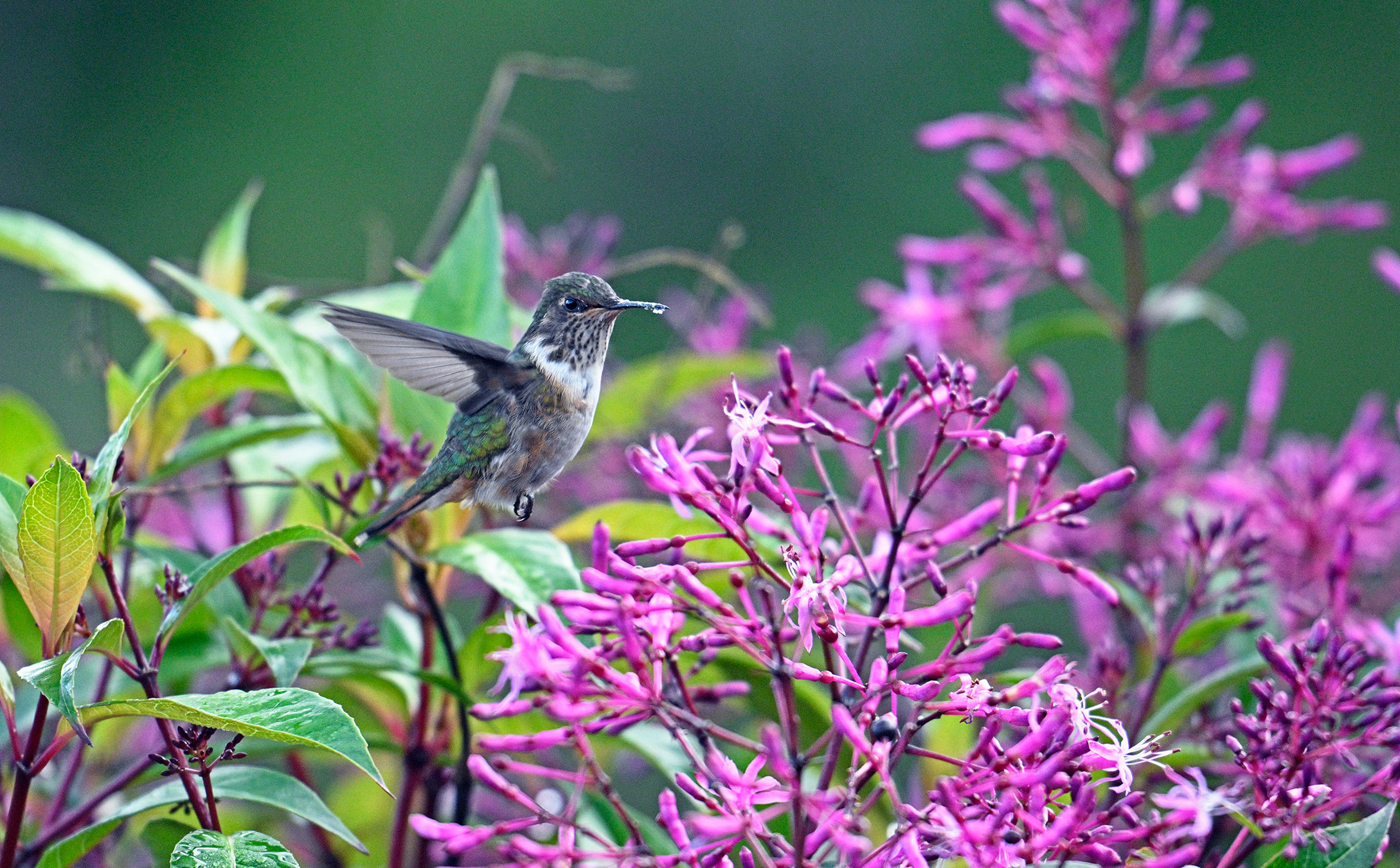
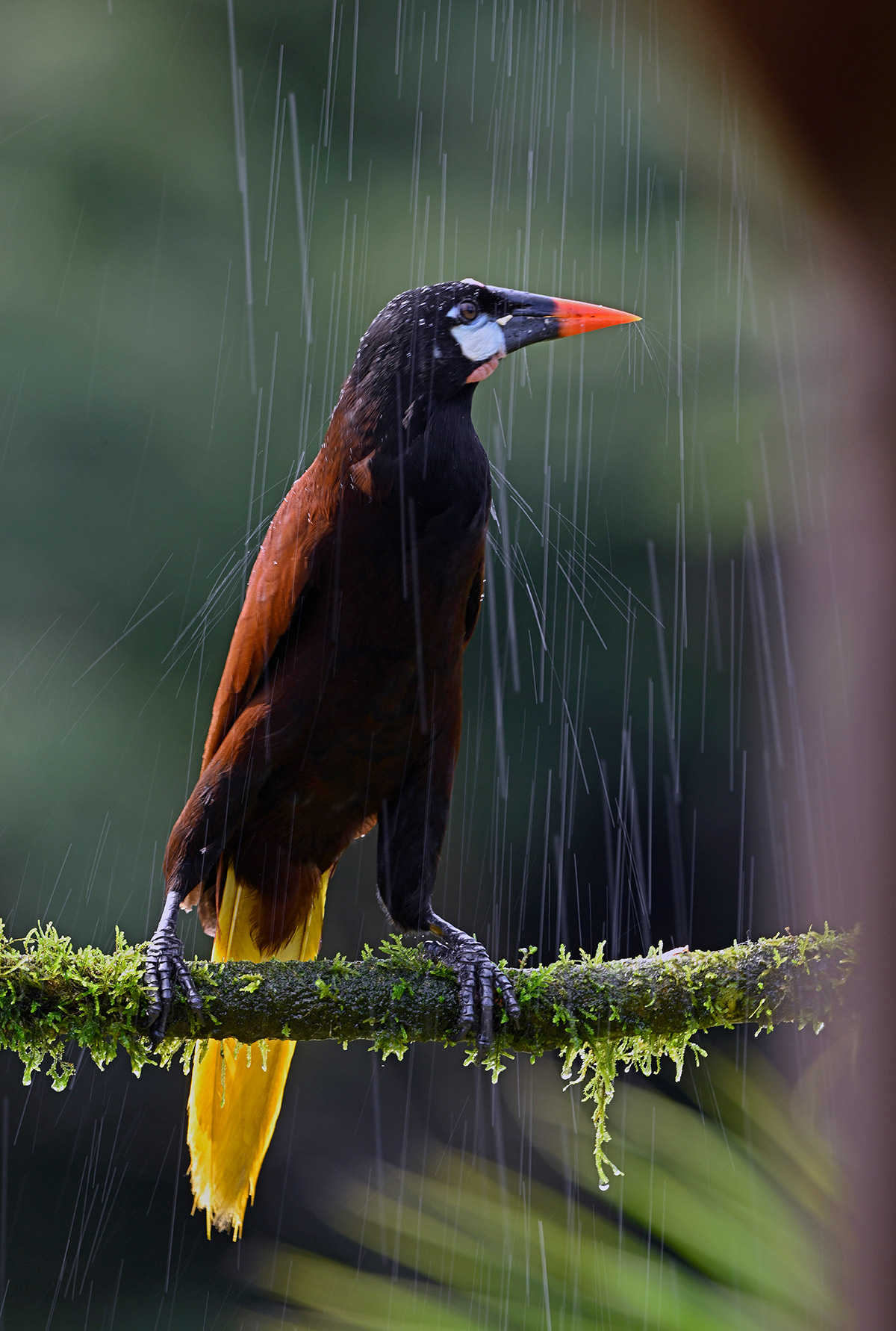
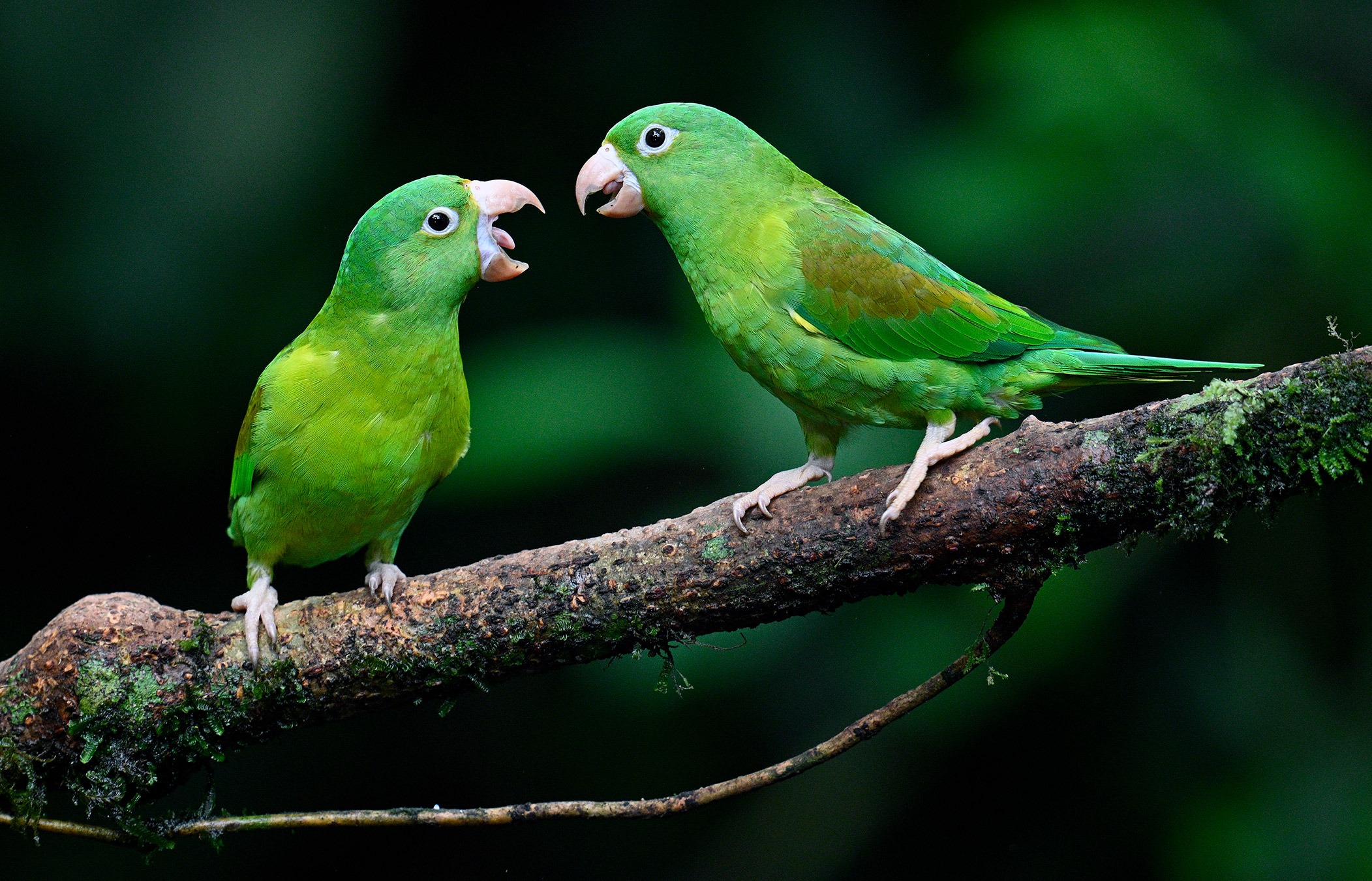
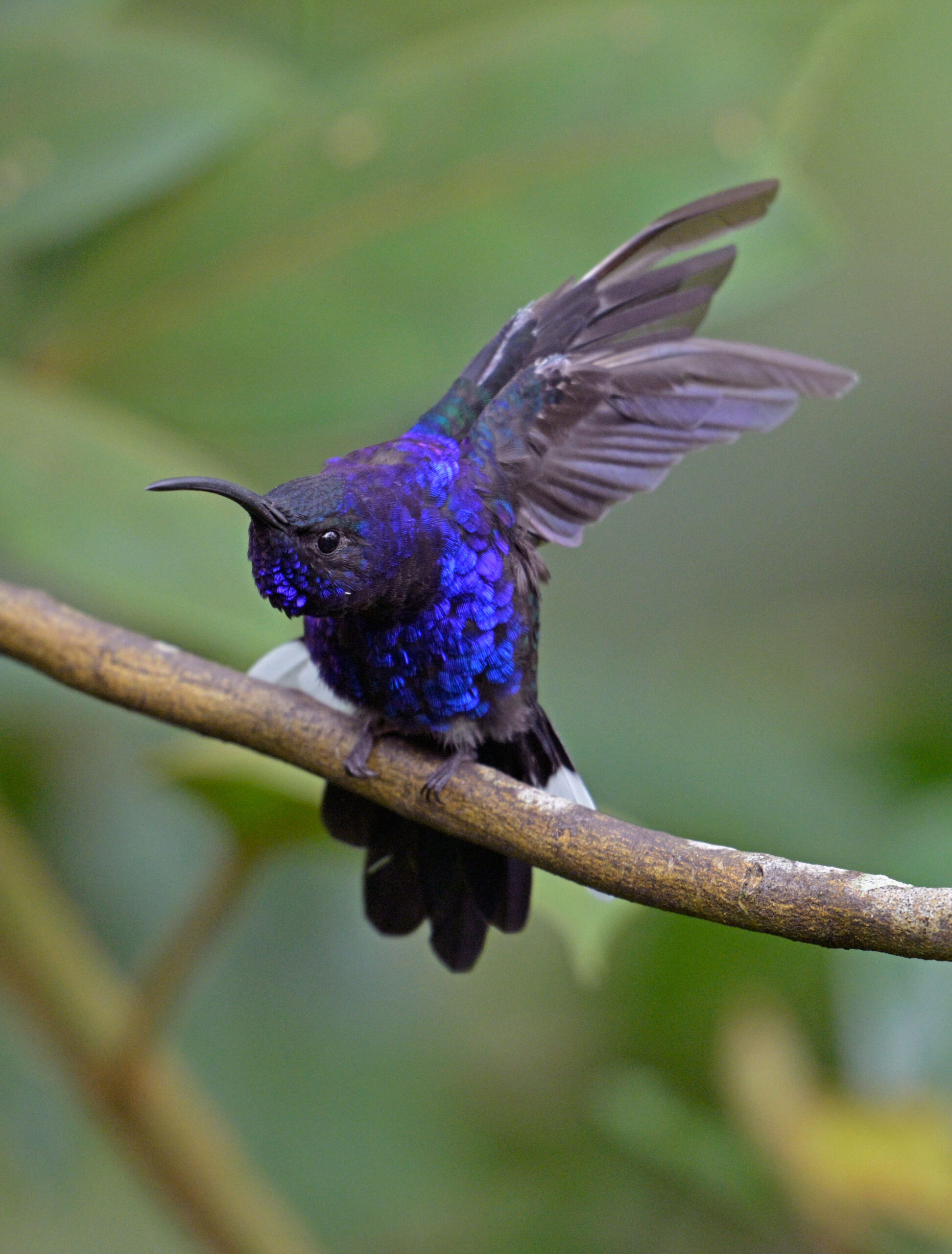
Back at Cope’s house is one of the most delightful feeding stations I’ve ever seen. A covered porch with seating and a long bar for drinks and fresh fruit sits within feet of an astonishing array of feeders attracting all sorts of birds, including a lovely stream that is rife with activity! Even though it was dark due to the rainy conditions, floodlights were turned on to provide just enough light to shoot non-action pictures. Magic happens at Cope’s! A paid of orange-chinned parakeets shared a kiss, the only hummingbird species with red feet gave us stellar views perched at minimum focus, a basilisk lizard commanded the stream, red-legged honeycreepers got all lovey dovey, a pair of russet-naped wood-rails mated by the stream, and a chestnut-headed oropendola repeatedly fed its rambunctious chick, now able to fly. Over two days we must have photographed at least 25 species in Cope’s suburban oasis.
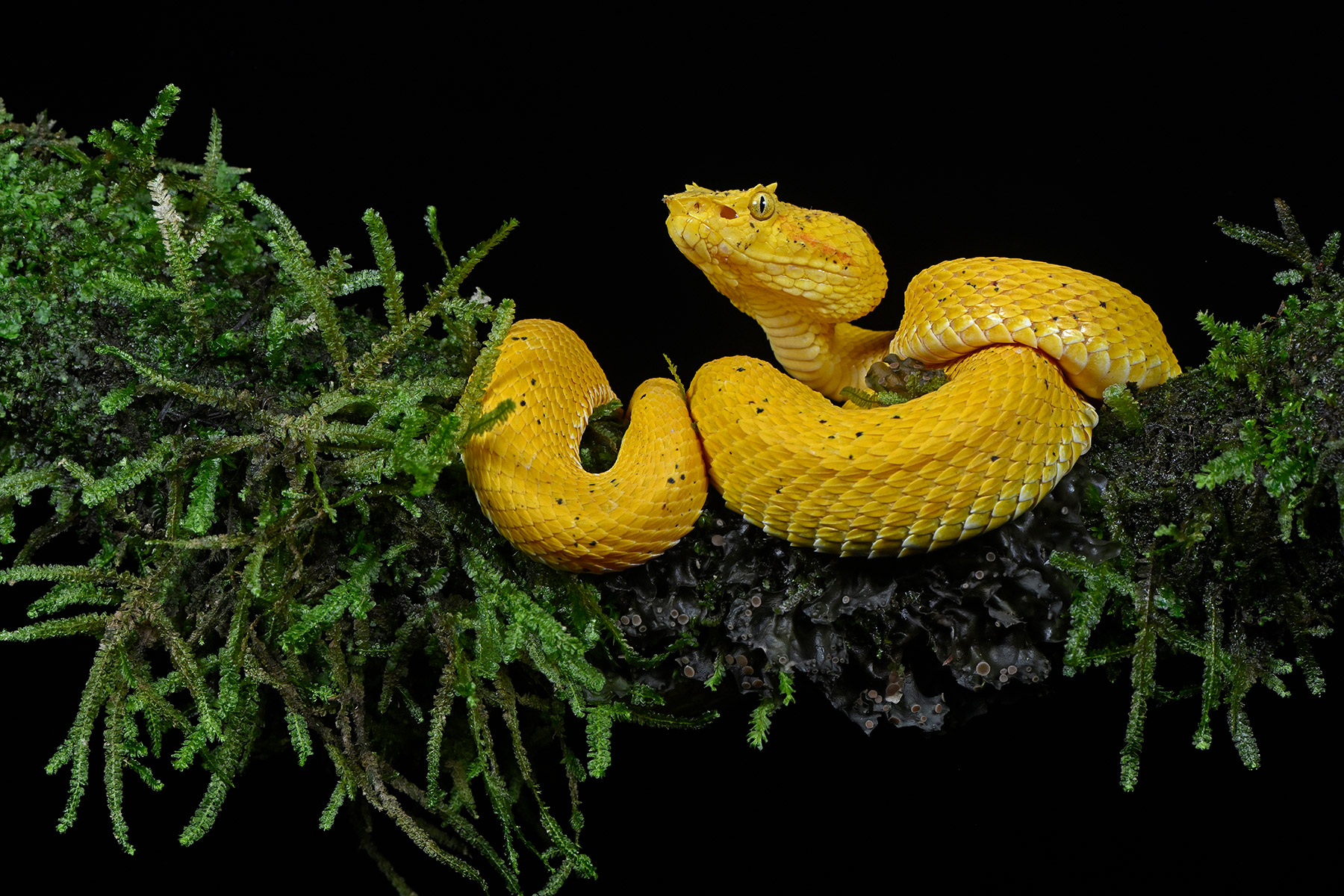
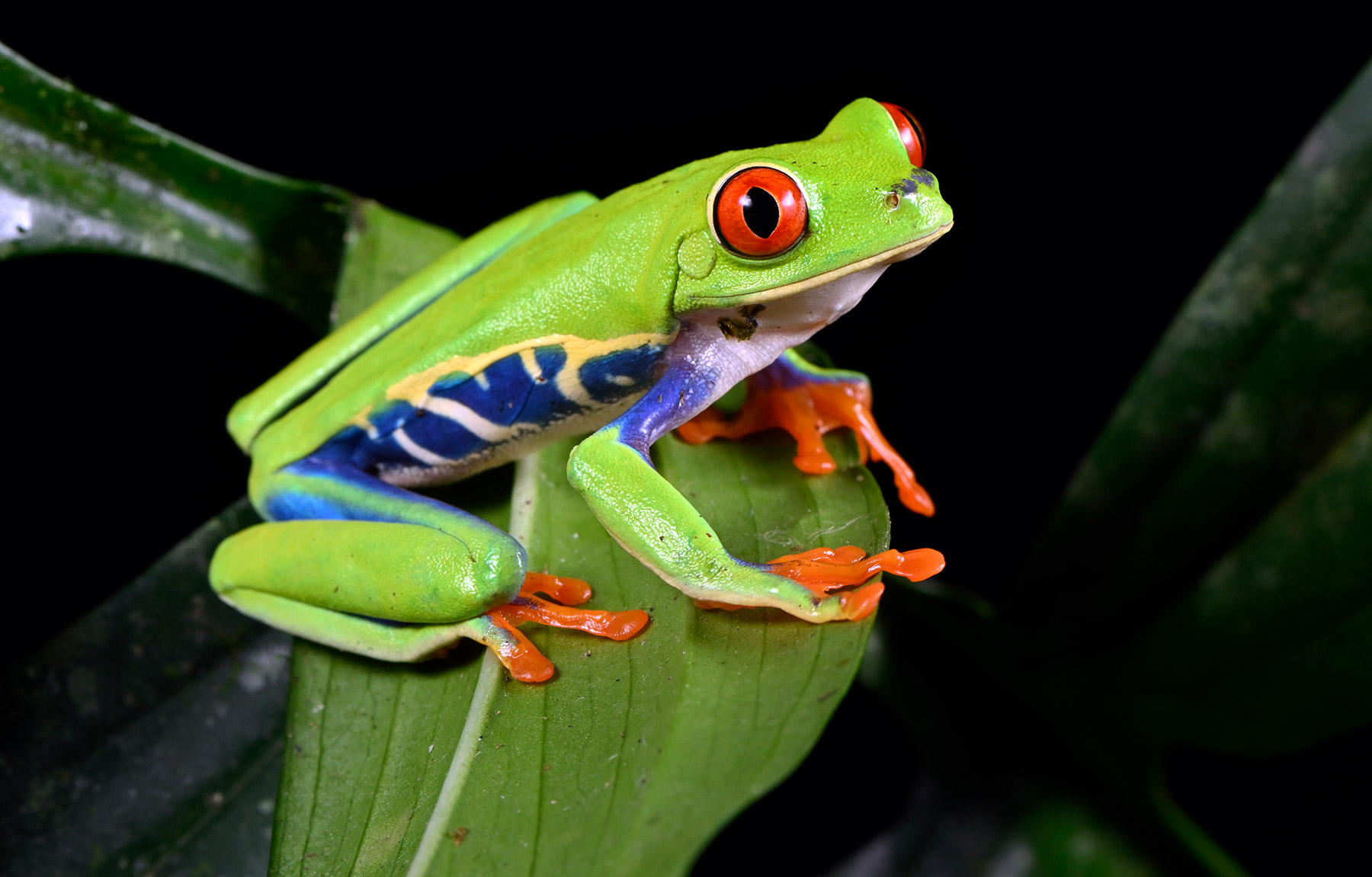
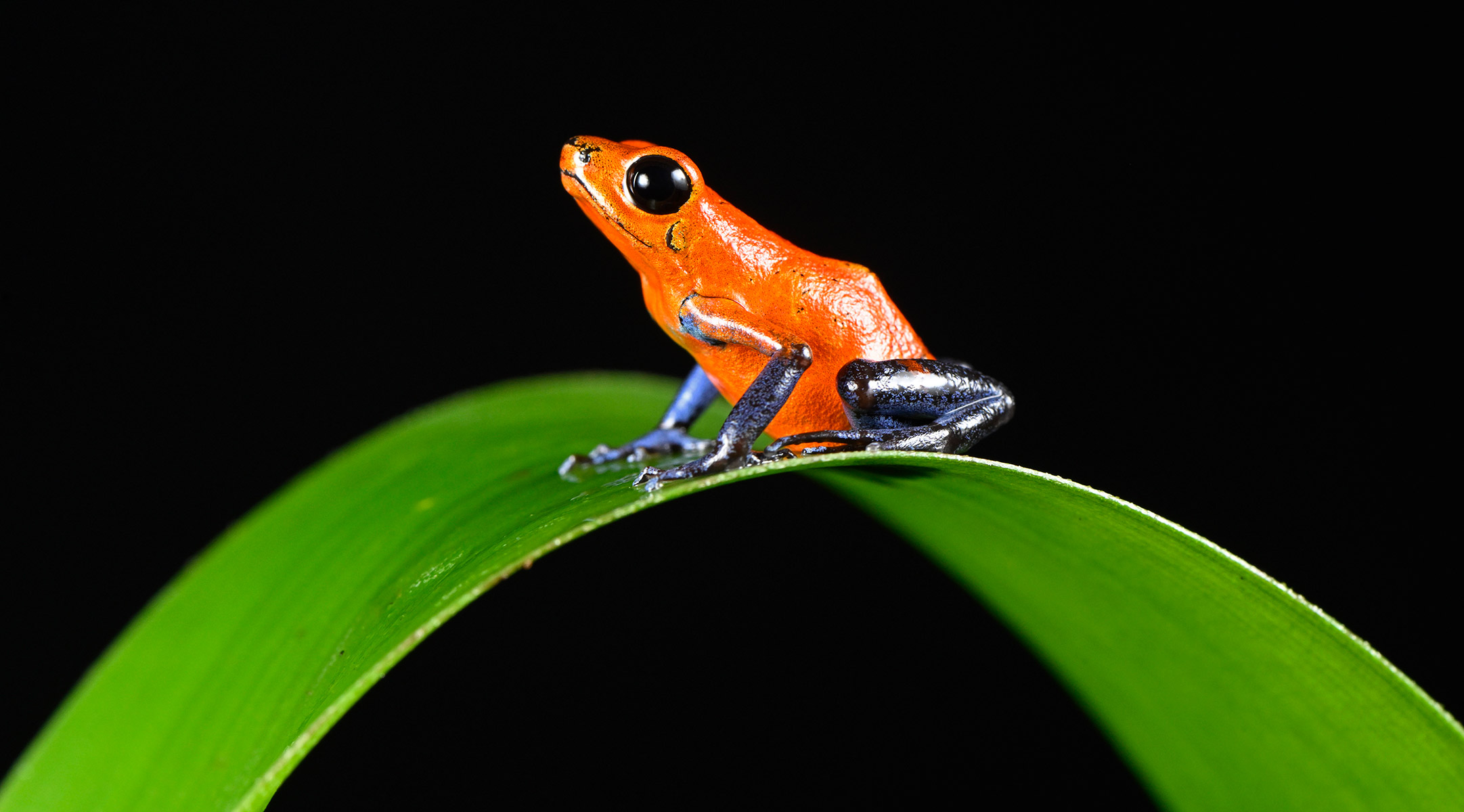
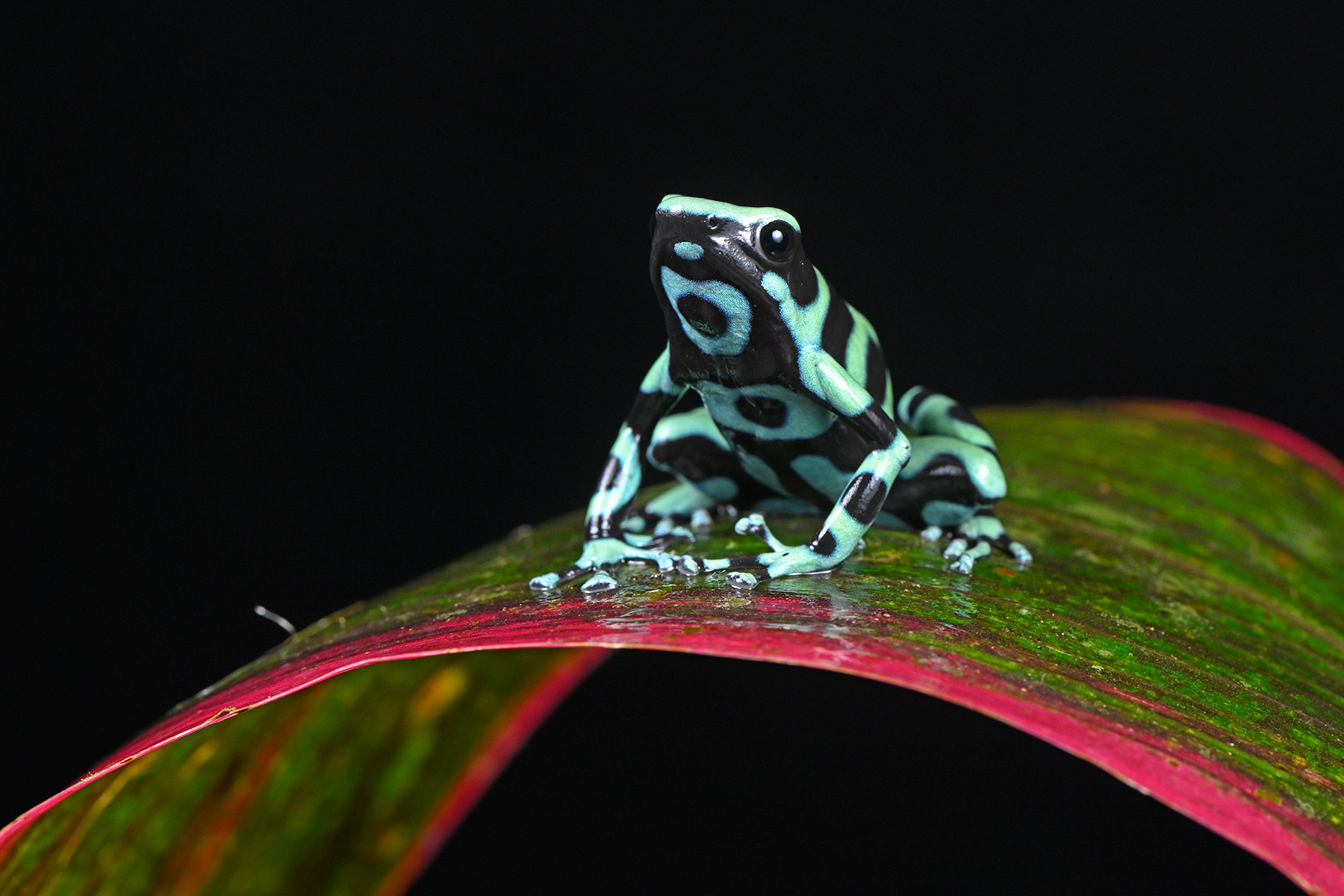
Nearby to our Sarapiqui Lodge was Frog’s Heaven, where a macro session with local frogs and snakes had been scheduled. I finally got to see a red-eyed treefrog in person! And another half dozen species too plus the legendary eyelash viper, a totally yellow poisonous snake, if you can imagine that (for some of you only in a nightmare)! Our super friendly guide also walked us through their rainforest patch and we found maybe six species of new birds for me, including a really cool rufous-tailed jacamar. These rainforests are just loaded with critters. I couldn’t get quite close enough to a huge owl butterfly on a tree trunk to make a wide angle/macro landscape shot, but next time I will try again!
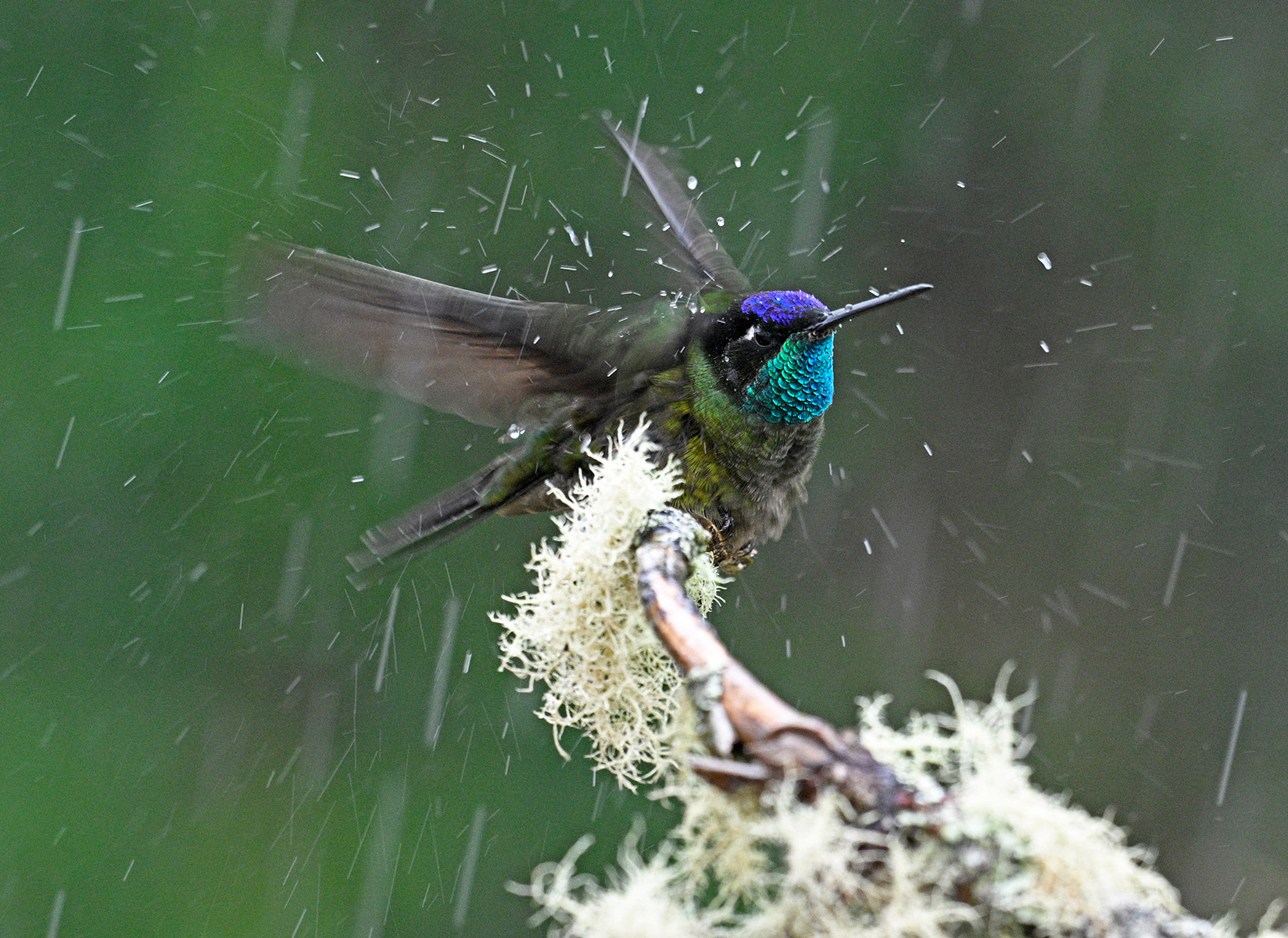
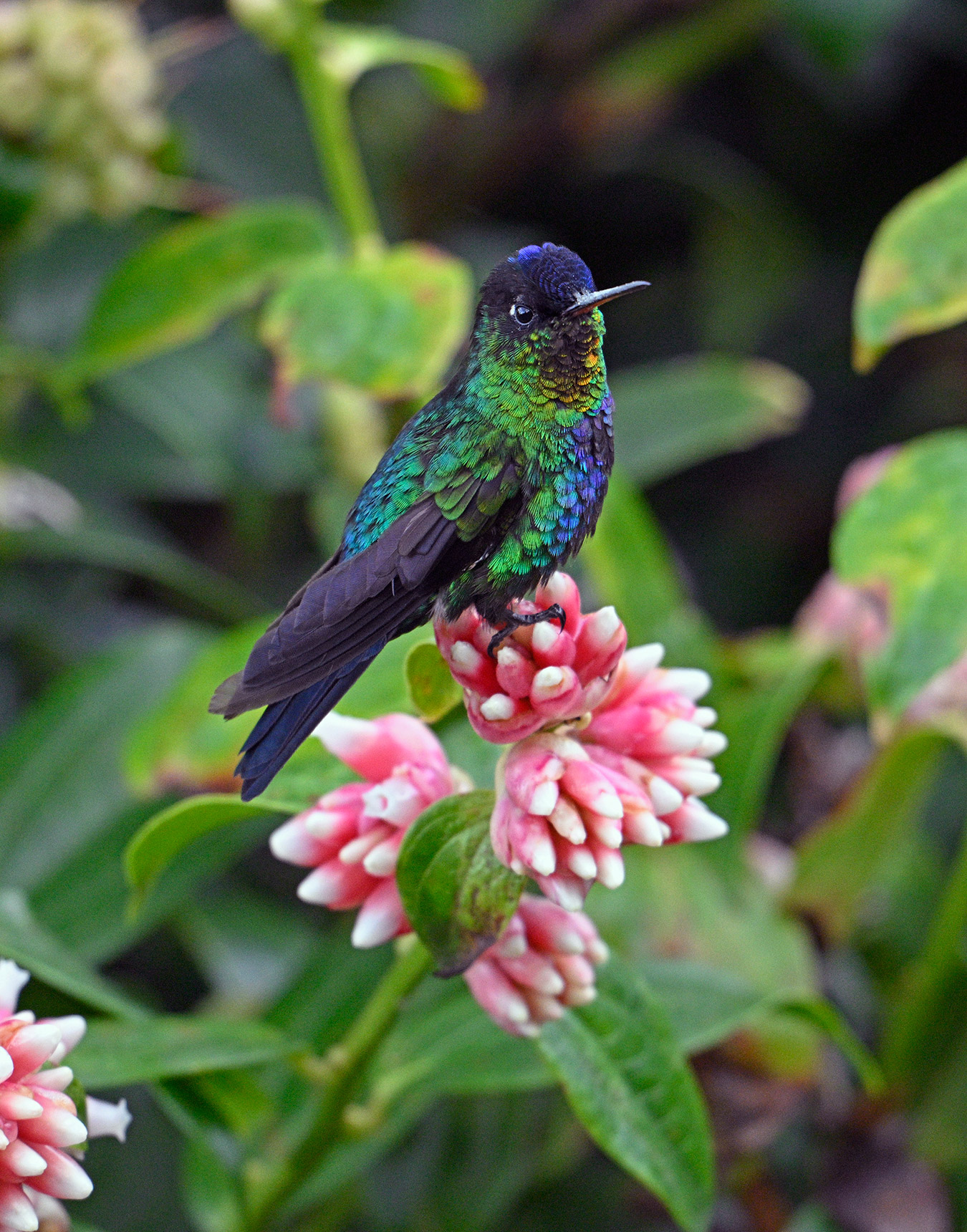
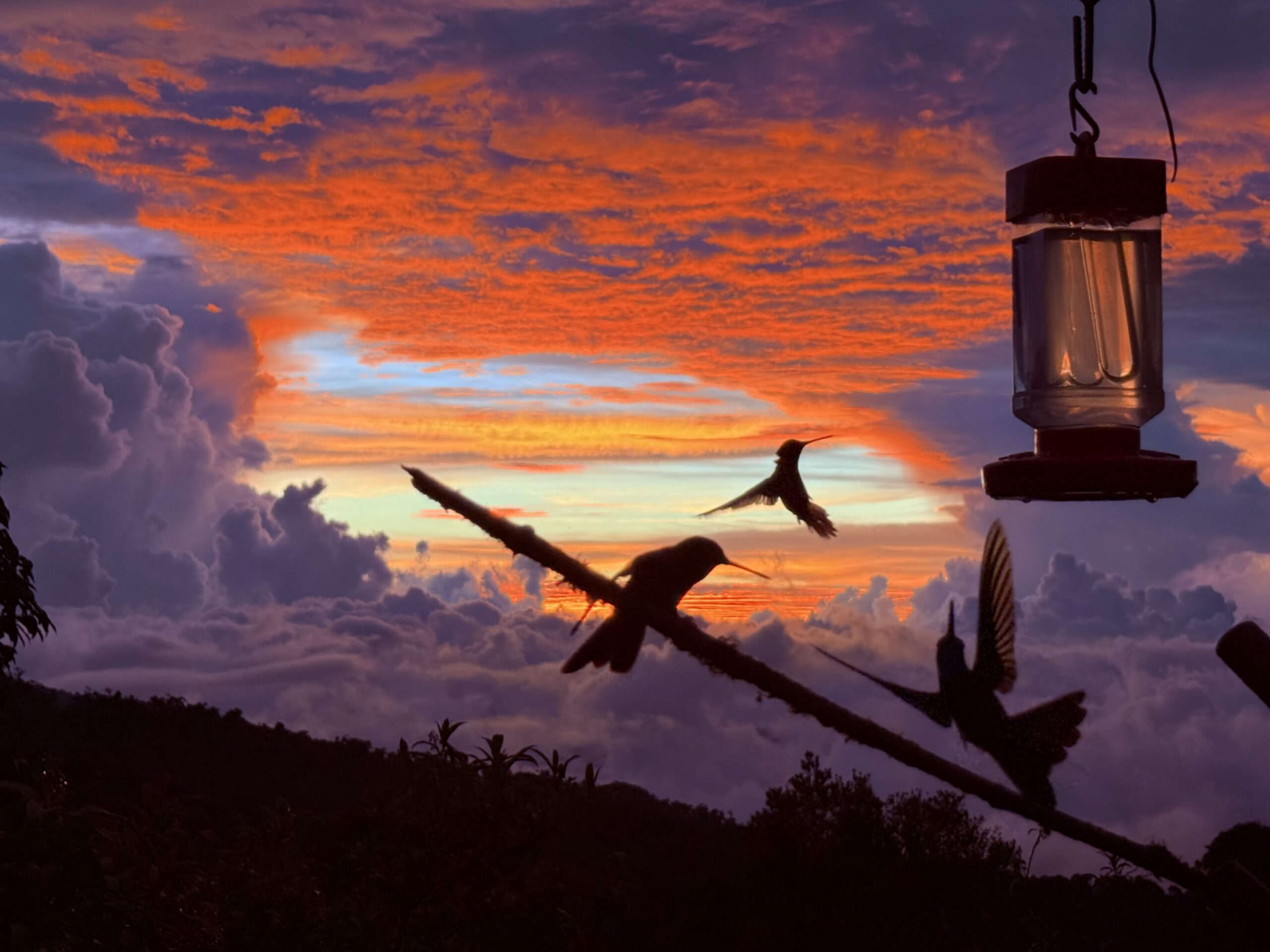
Our next destination was the world famous Quetzal Lodge, and it did not disappoint! High in the cloud forest, the temperature dropped maybe 30 degrees from our morning shoot in the valley. The grounds are spectacular, and the cabins have dramatic views of the lowlands and clouds hanging below. It’s a world unto itself. The grounds are covered with flowering trees, bushes and plants that attract many specimens of the few hummingbird species that live at these extraordinary altitudes. I’ll never forget hanging out with a poor Talamanca hummingbird that got caught in a rainshower. He would shake out his feathers every 30 seconds to stay warm and dry, but it was a losing battle. I love the droplets jumping off his wings juxtaposed with the raindrops. Poetry in motion.
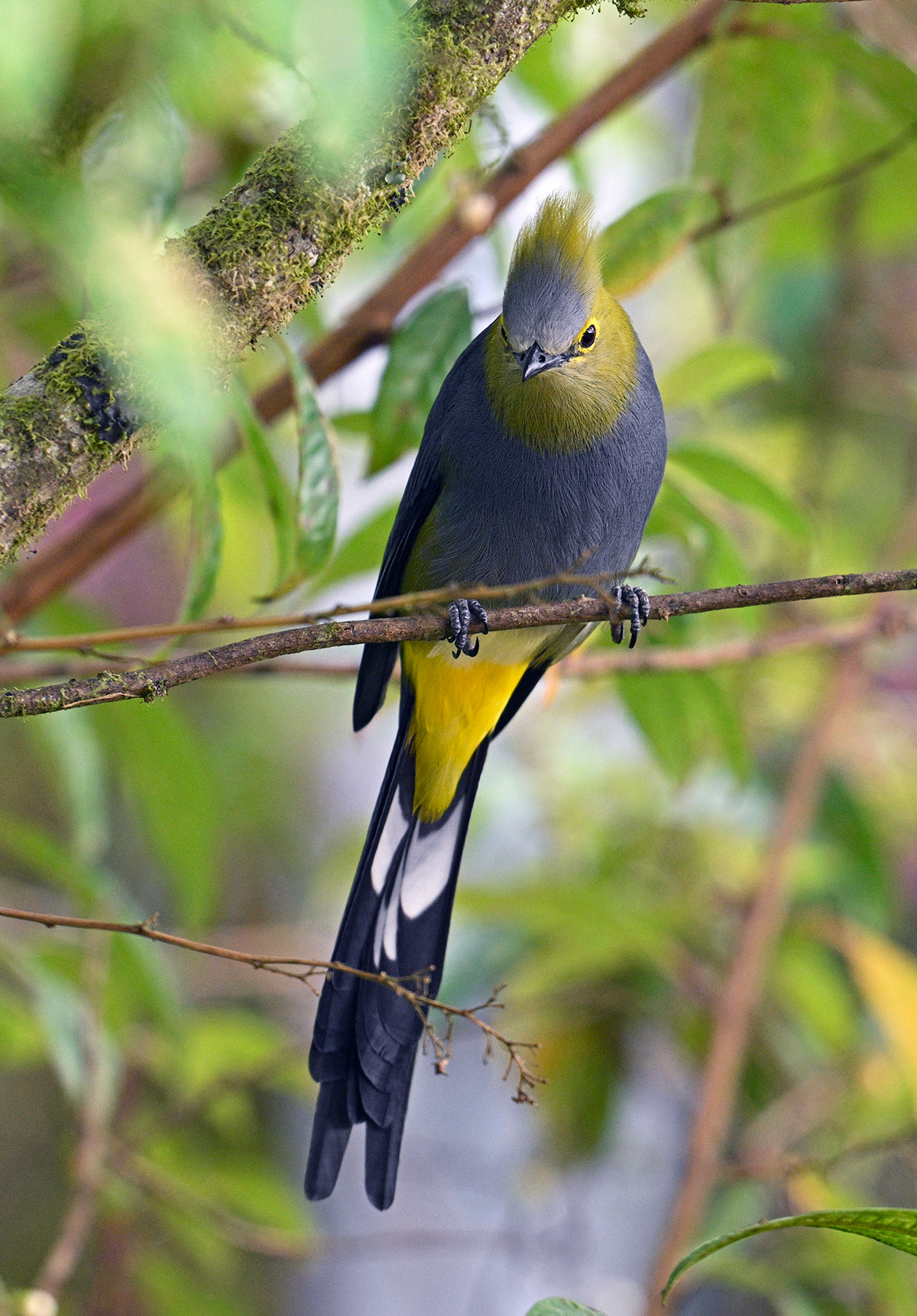
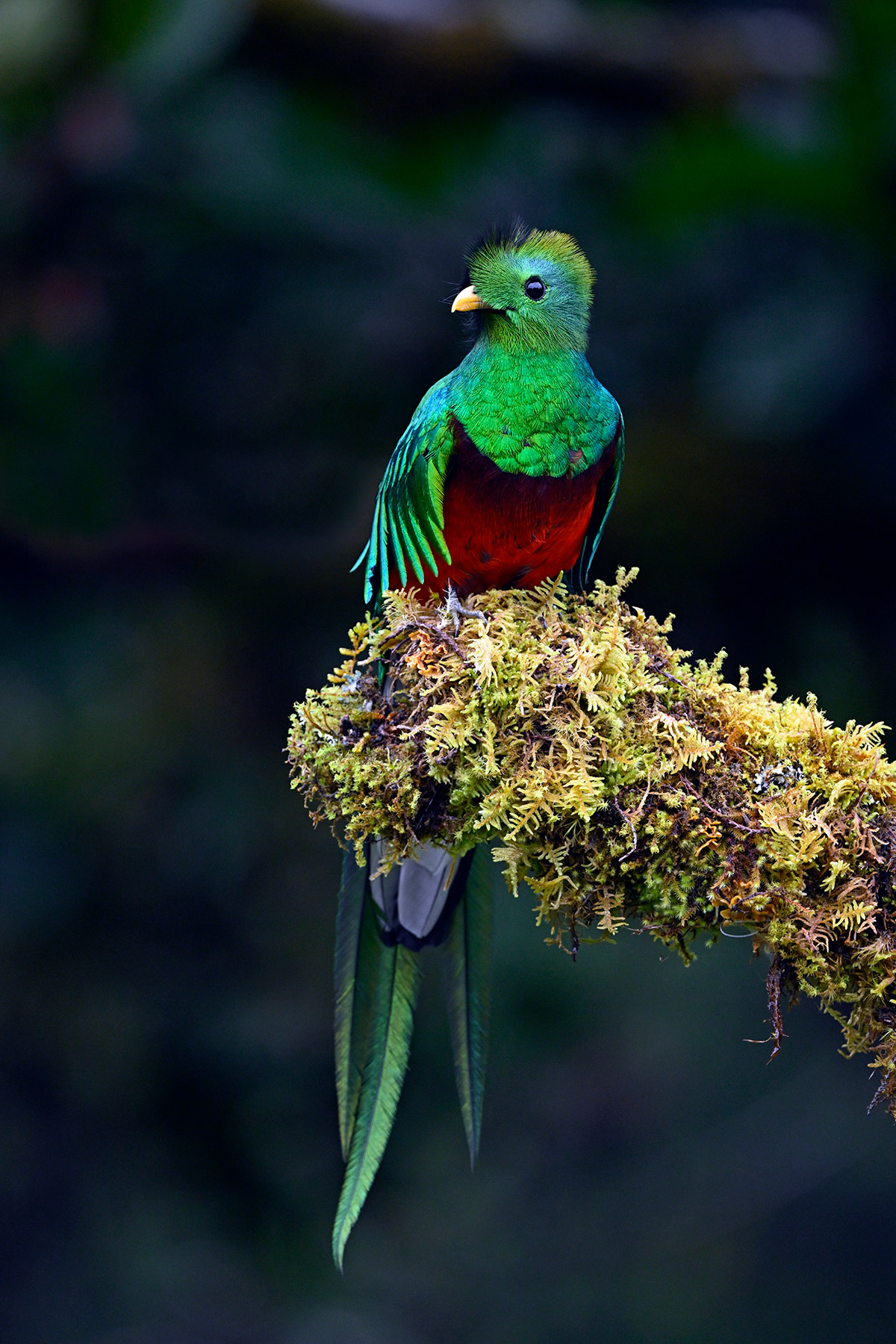
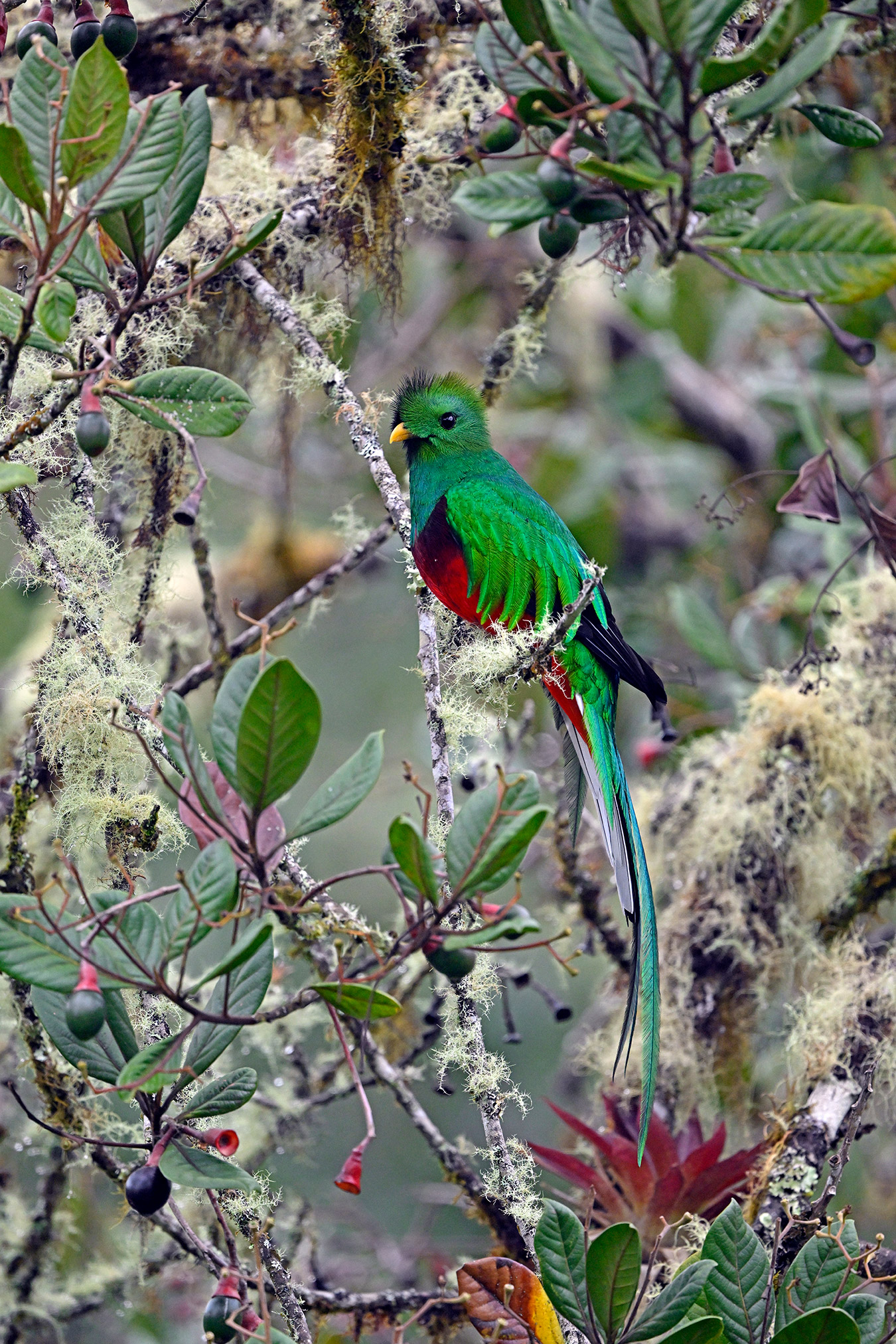
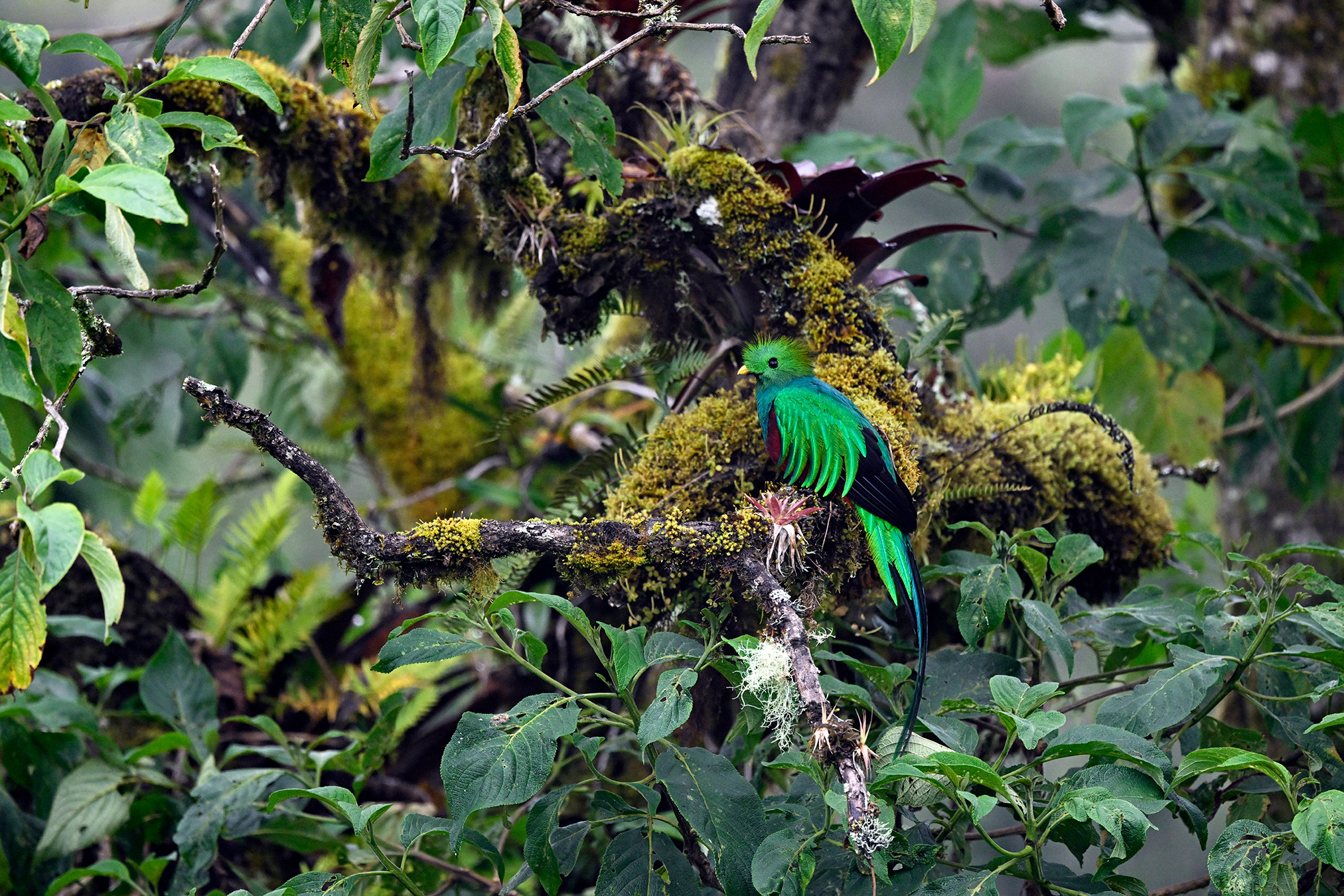
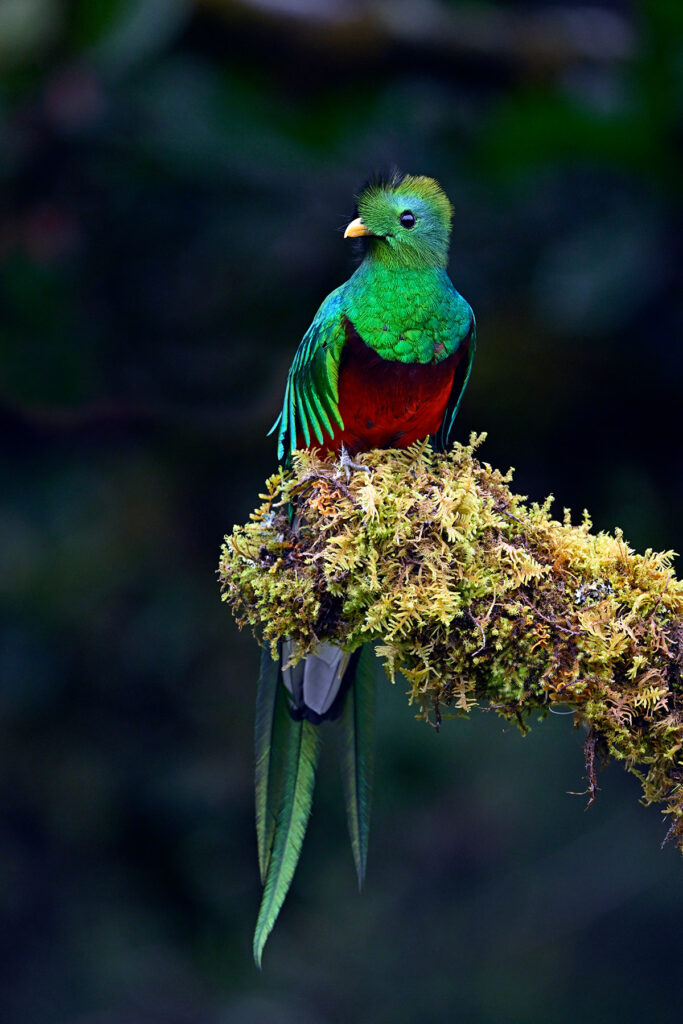
Of course the highlight of any trip to Quetzal Lodge is to see the mythical Resplendent Quetzal, arguably one of the world’s most captivating birds. While these large birds are entrenched in the cloud forests, seeing one calls for a little advance planning. Our tour leader, Jeffrey Munoz of Rainforest Tours, clearly did his homework, as we took a 20-minute bus ride to a little farm in the cloud forest that is ground zero for Quetzal photography. A comfortable open air blind at the top of the hill provides a splendid view of an old wild avocado tree that is quite enticing to the local Quetzals. That afternoon we were treated to maybe six fly-ins of maybe four different individuals. Attractive moss-covered staging perches were placed strategically and all four perches were used! My favorite moment was when a stunning male perched in a nearby tree laden with greenery for a sublime habitat shot. Quetzals are simply out of this world! While packing up to leave our mountain retreat, John spotted a close-up long-tailed silky-flyctacher right next to the Lodge, and this one wanted to have his picture taken, multiple views please! Another gem from Costa Rica!
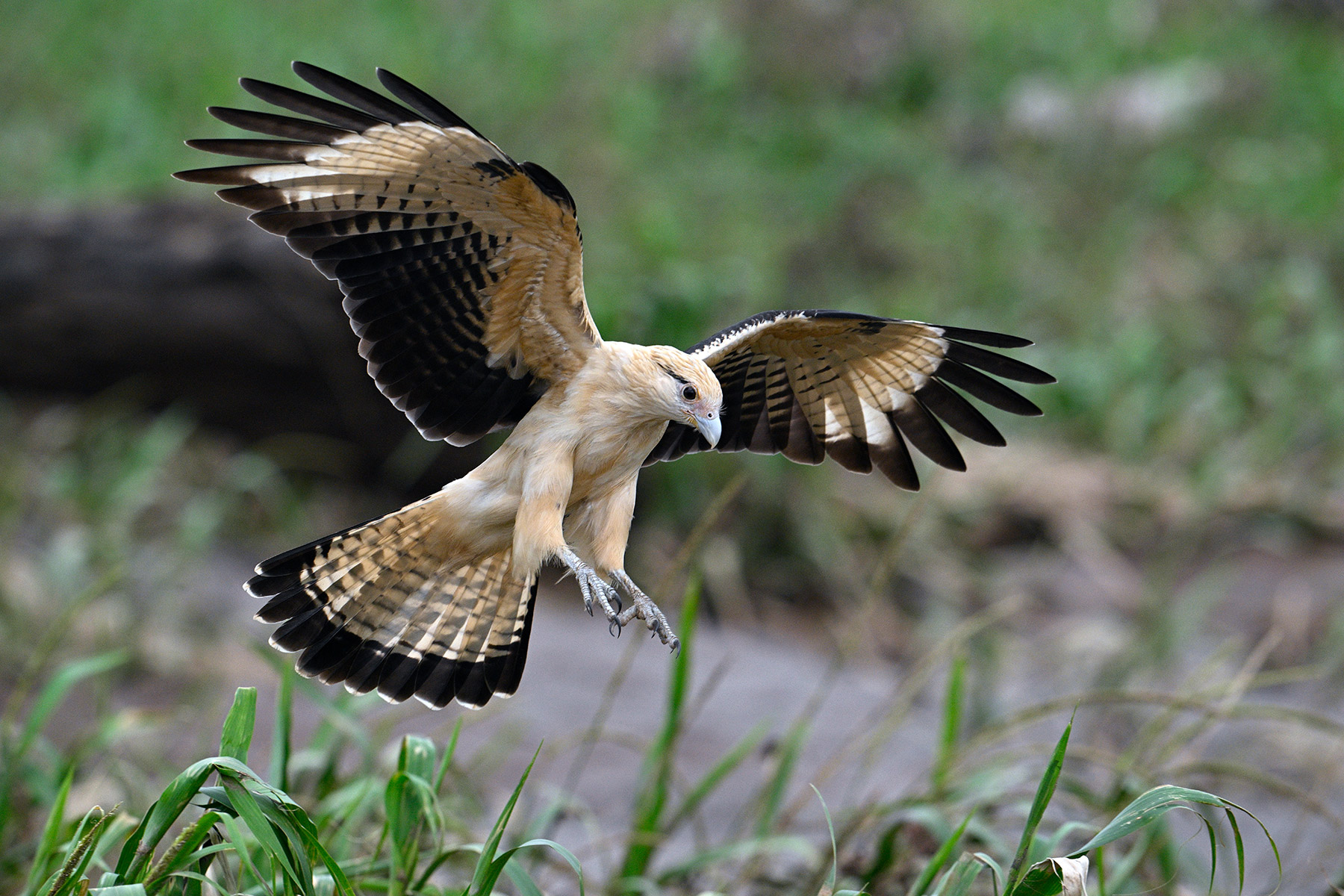
Our last region to visit, Tarcoles, featured a boat ride through a lagoon and marsh that was teeming with life. Our captain was able to maneuver the boat for great close-up views of nearly 25 species of birds, and several large crocodiles. Especially dramatic were the black hawks and yellow-headed caracaras fighting over scraps of meat. There were many sightings of kingfishers, including a close-up view of an Amazon kingfisher who had no fear of the boat. As we headed upstream, the saltier water favored a mangrove forest loaded with boat-billed herons.
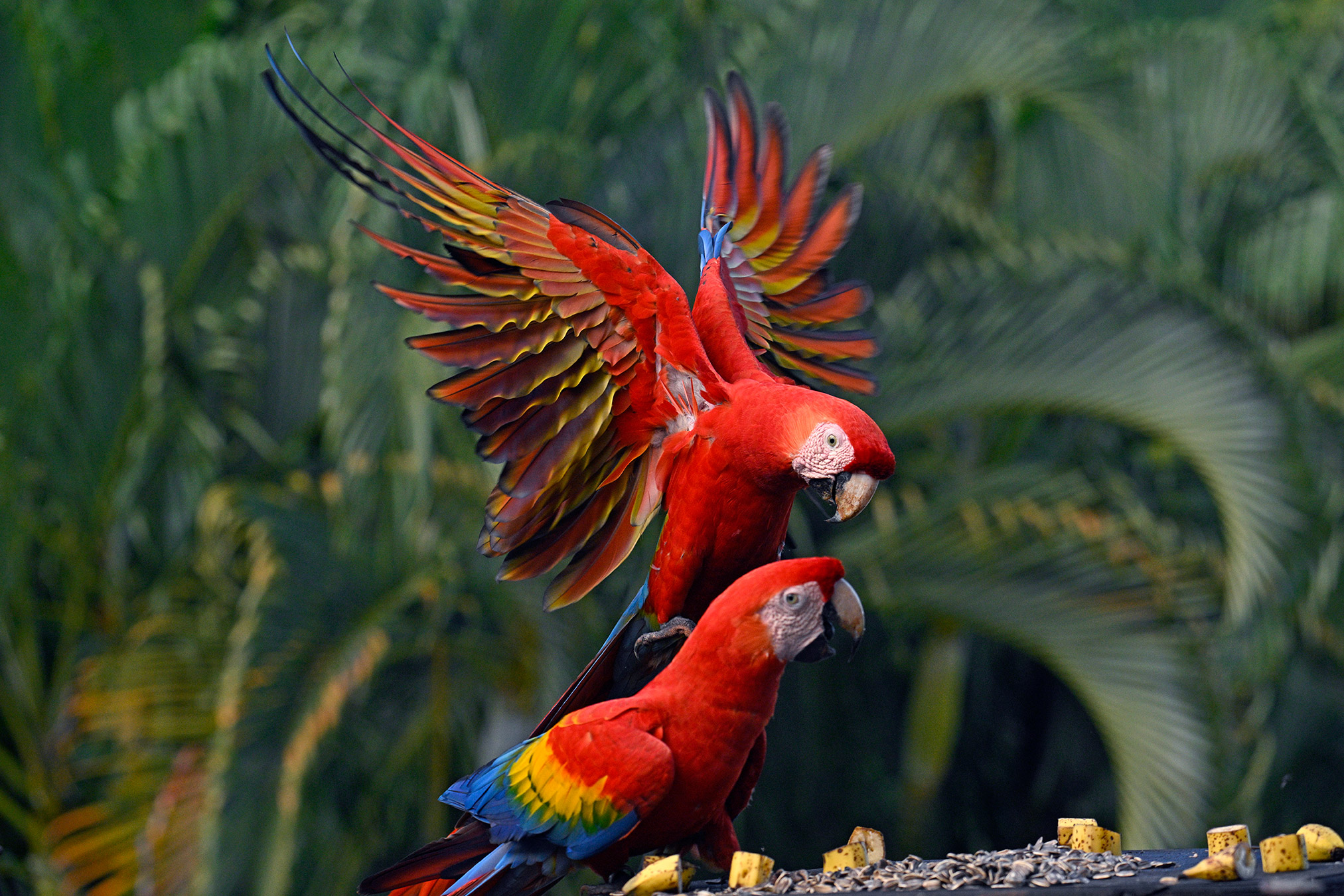
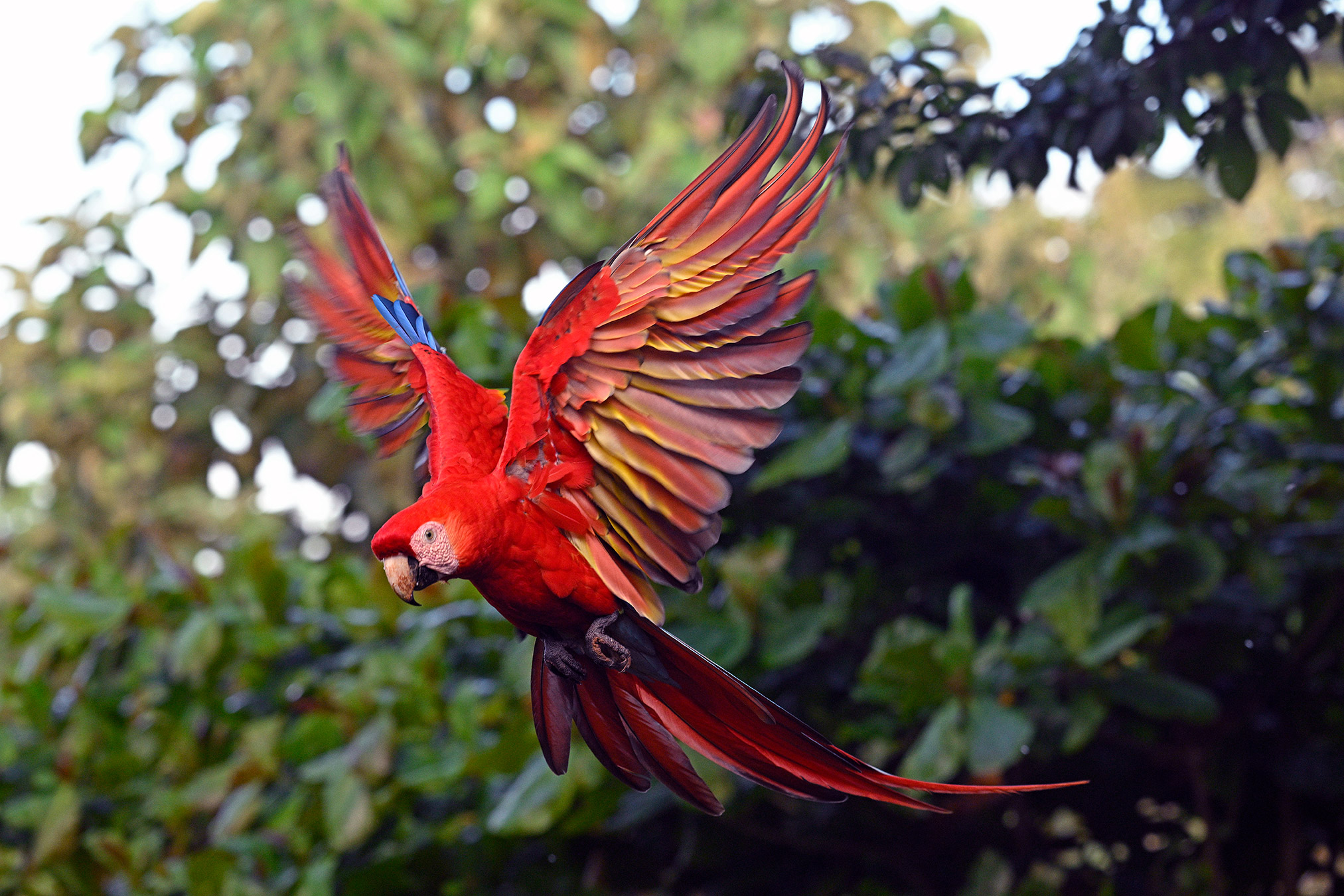
At our last lodge, whose name escapes me now, I received the cherry on top of the ice cream sunday…. close-ups of the scarlet macaw! Throughout the trip they were commonly seen, but never at close range. The second to last day I staked out the deck where food is placed out. Several species came in for breakfast, but no macaws. The very last morning I kept on prodding the waitress to put the food out but it seemed like she didn’t understand. While eating my own breakfast, she must have slipped out the bananas, as I saw the giant red birds approach. Fortunately this pair of friendly wild macaws, named by the waitress, made repeated flights into the feeder for dynamic flight shots and plumage close-ups. Wow… a perfect ending to a most memorable trip!
Thank you to the Crawley Family, who made me feel at home, and to our fabulous guides and bus driver, who wanted nothing but the best for us!