I just returned from a 20-day adventure to the bottom of the world, the ever-so windy Falkland Islands, located about 300 miles east of South America’s southern Patagonia coast.
To date, this has been my most arduous trip, with 8 days of travel, including extra time for canceled flights. To say that the logistics of visiting the Falklands are challenging is quite the understatement. For the persnickety traveler who likes everything to run as scheduled, a trip to the Falklands may cause a stroke. Flight times change on a whim, and that single supplement you purchased may be null and void when your room is rented out to a raptor researcher who is 6 months pregnant, presented to us as if she just washed up from a shipwreck and the baby’s life depended on her getting your room, so who could cry foul to that?
The few islands that allow visitors are privately owned and they make the rules, which are subject to change. That being said, the tours are organized by Falkland Island Holidays, who do a SPECTACULAR job making sure that we have a great trip. They cannot control the weather, but with almost everything else we did experience British hospitality at its best!
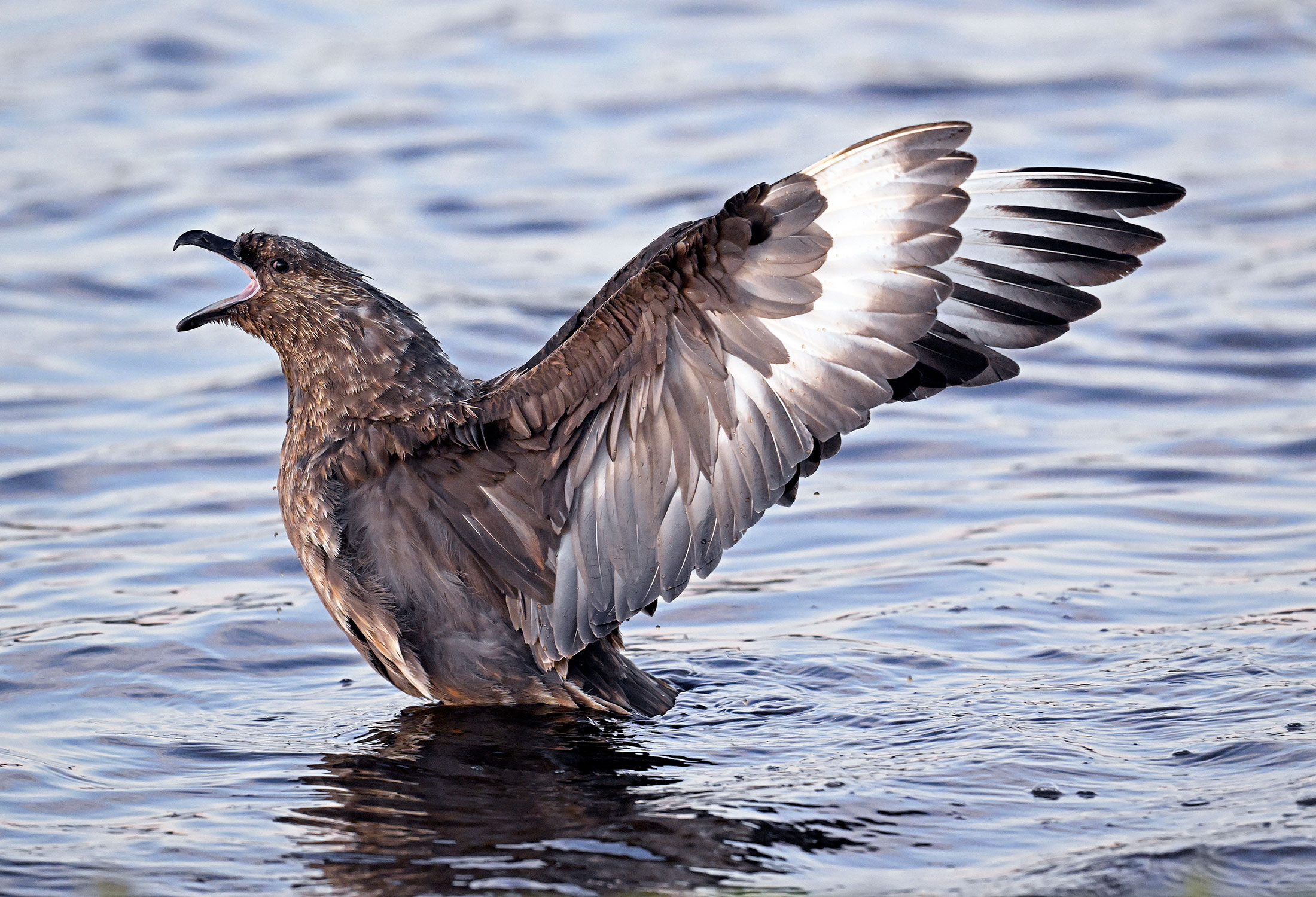
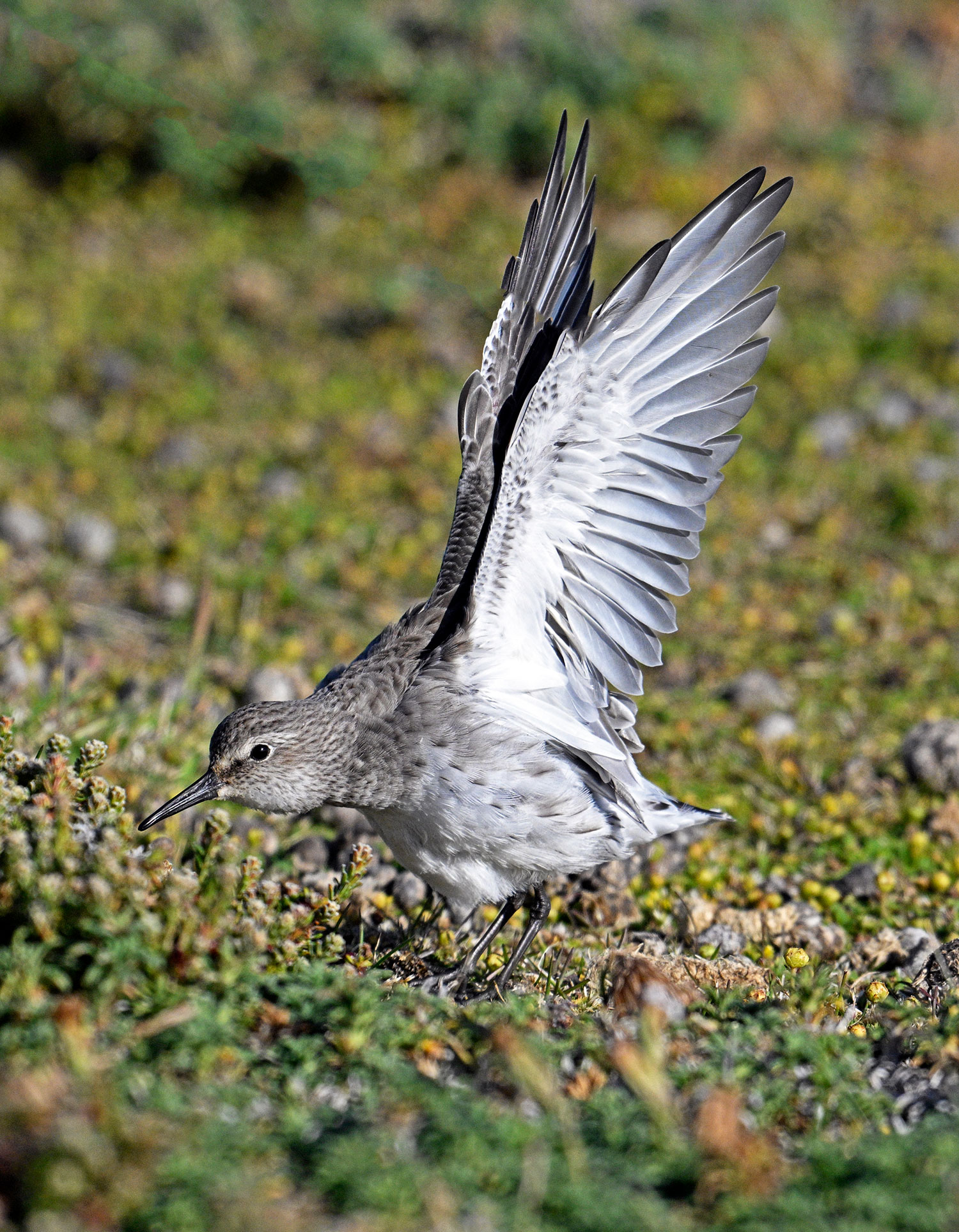
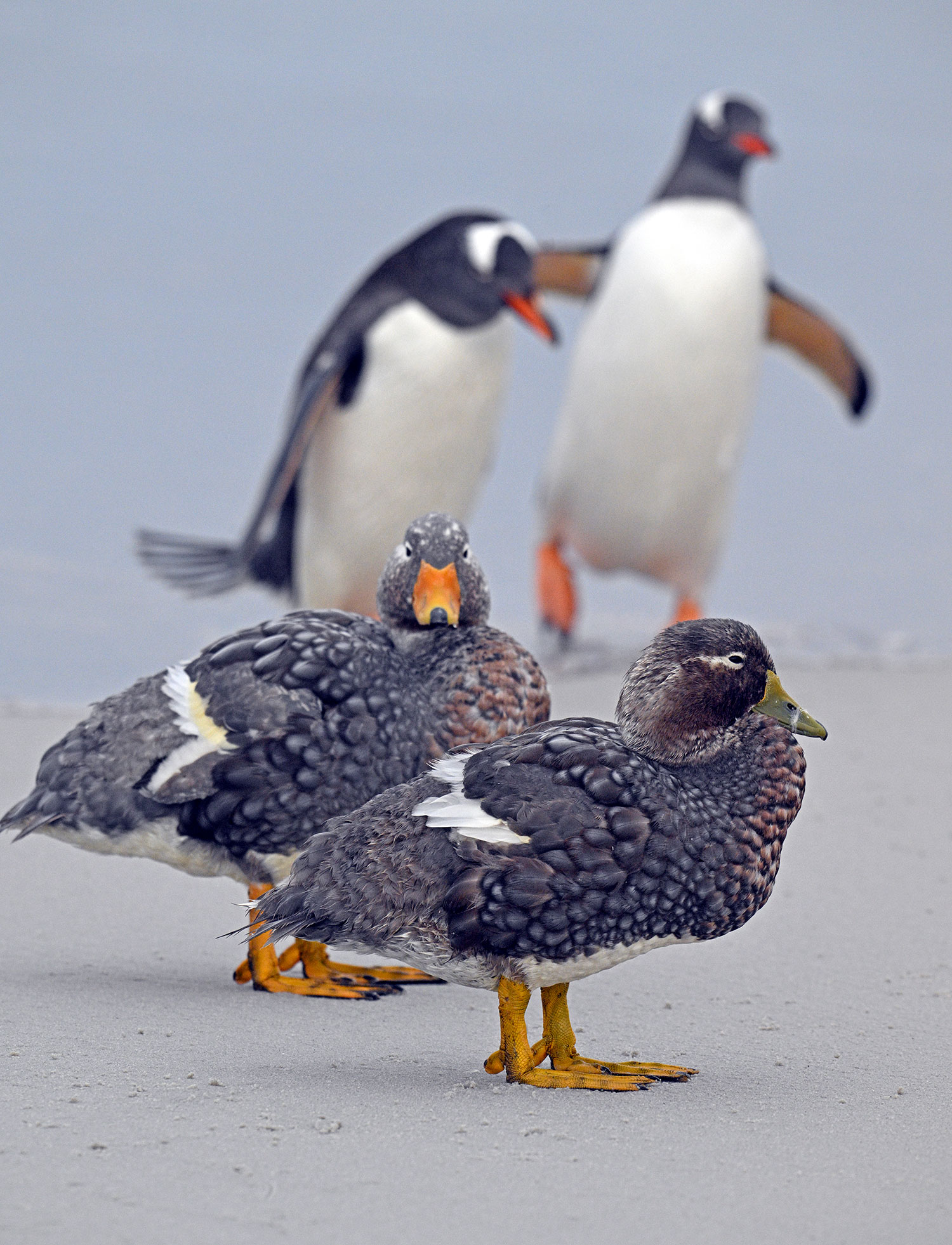
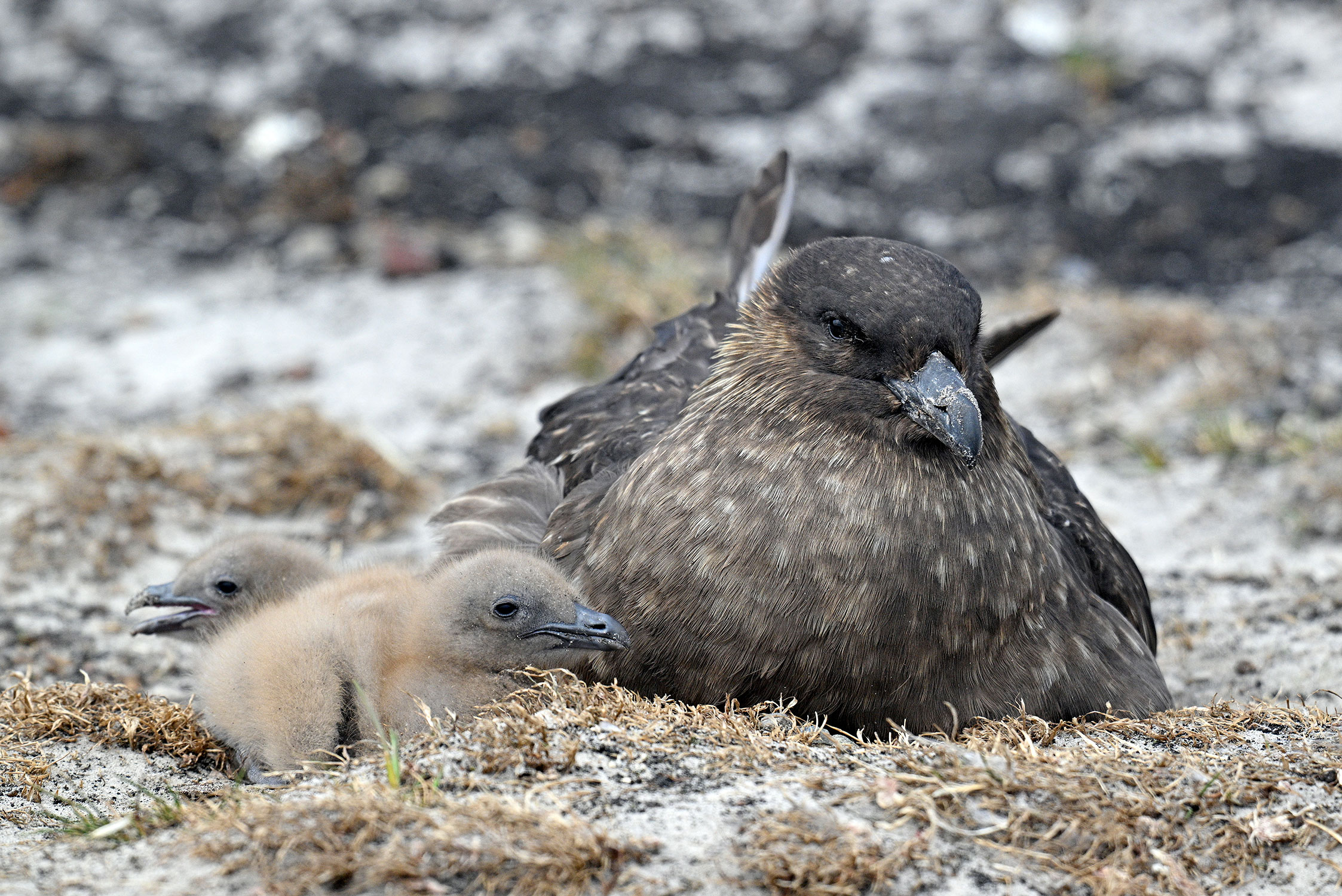
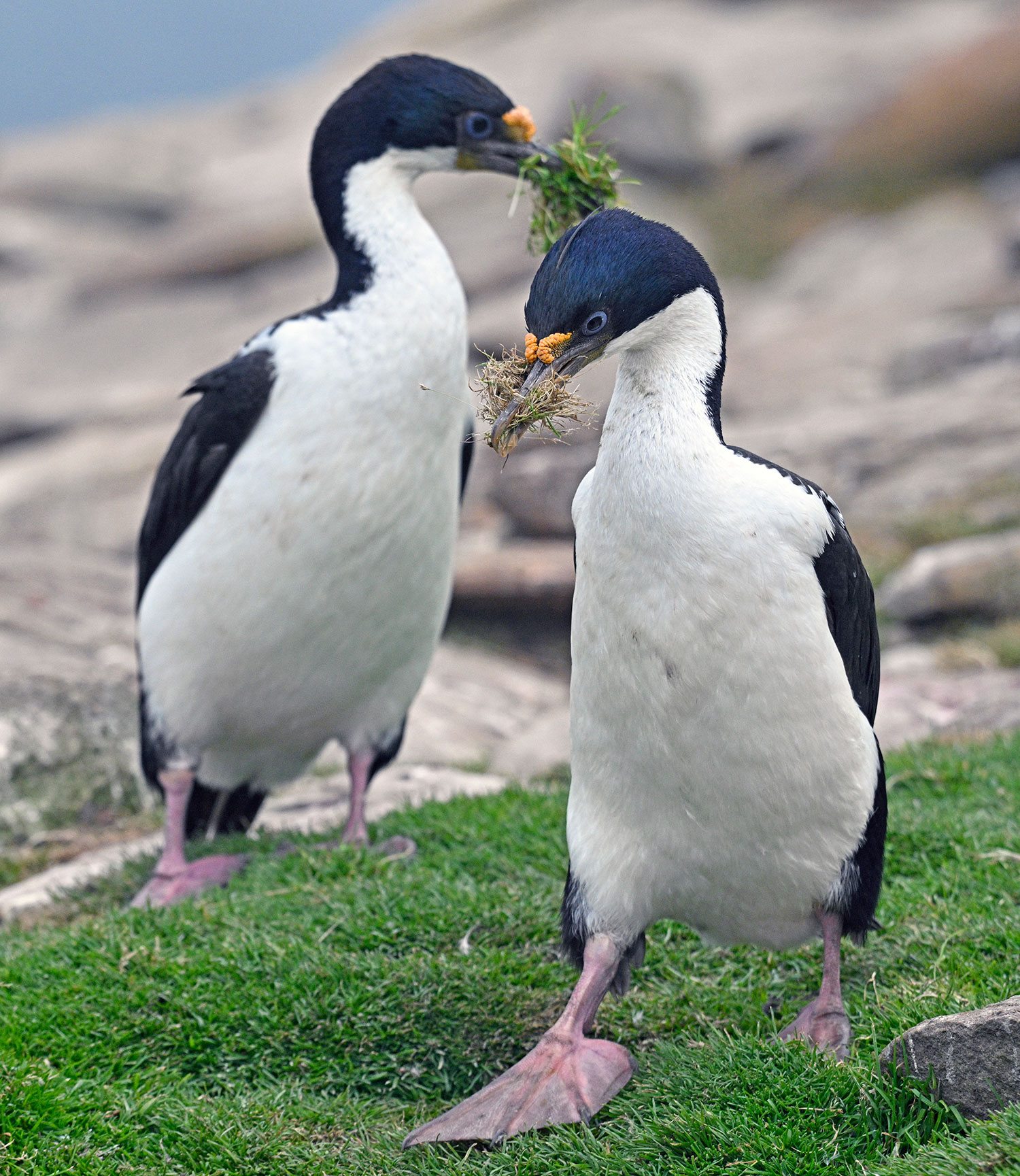
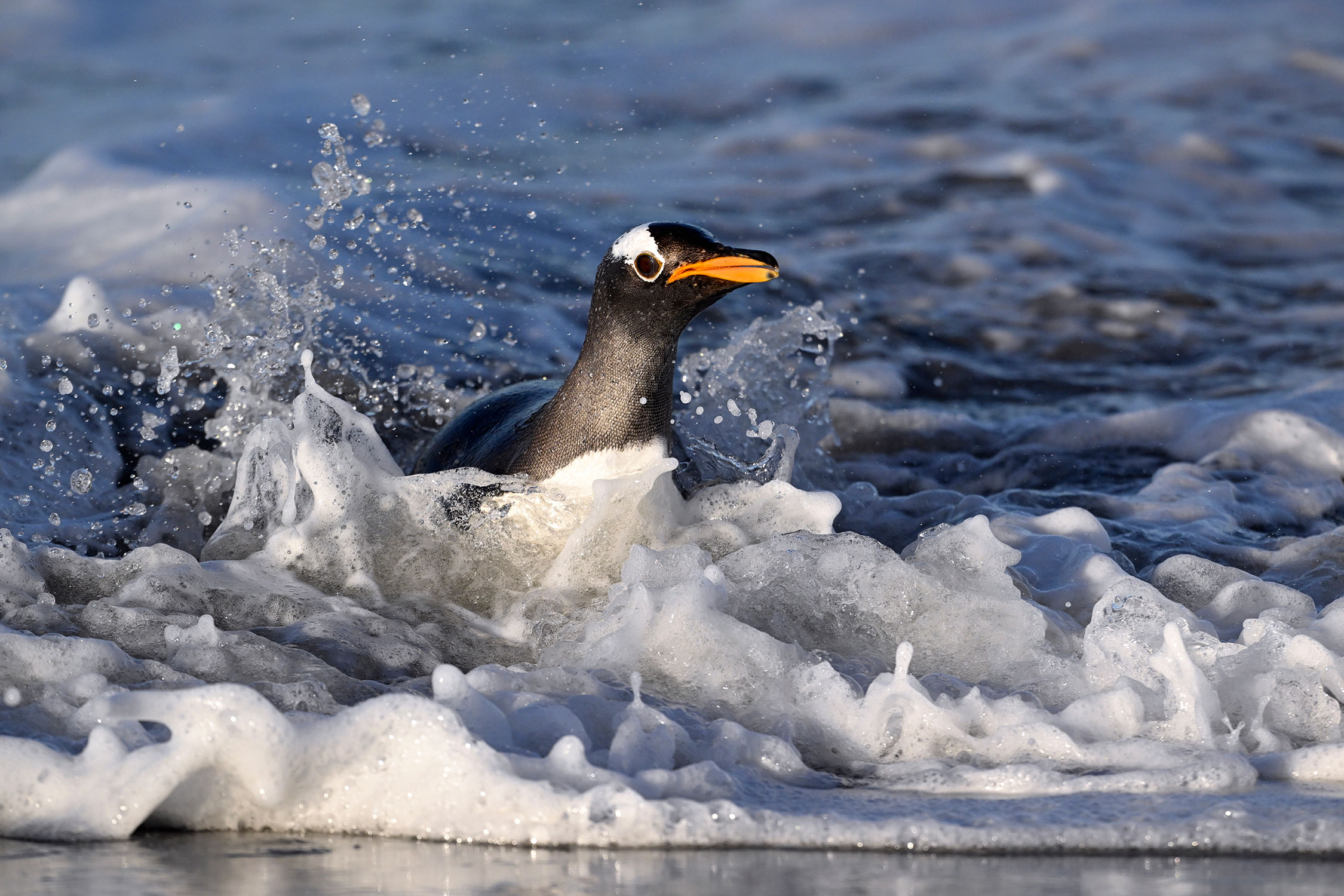
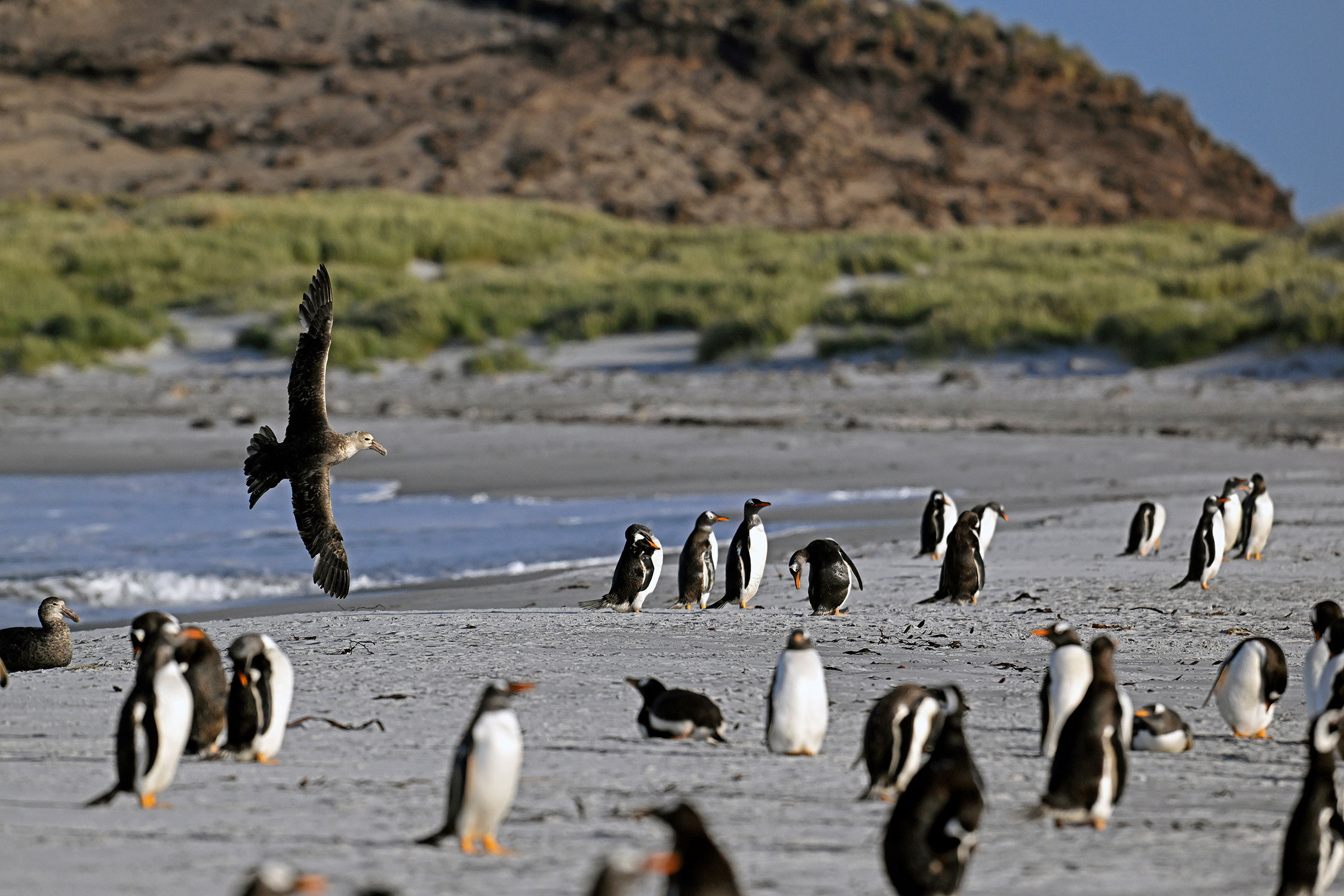
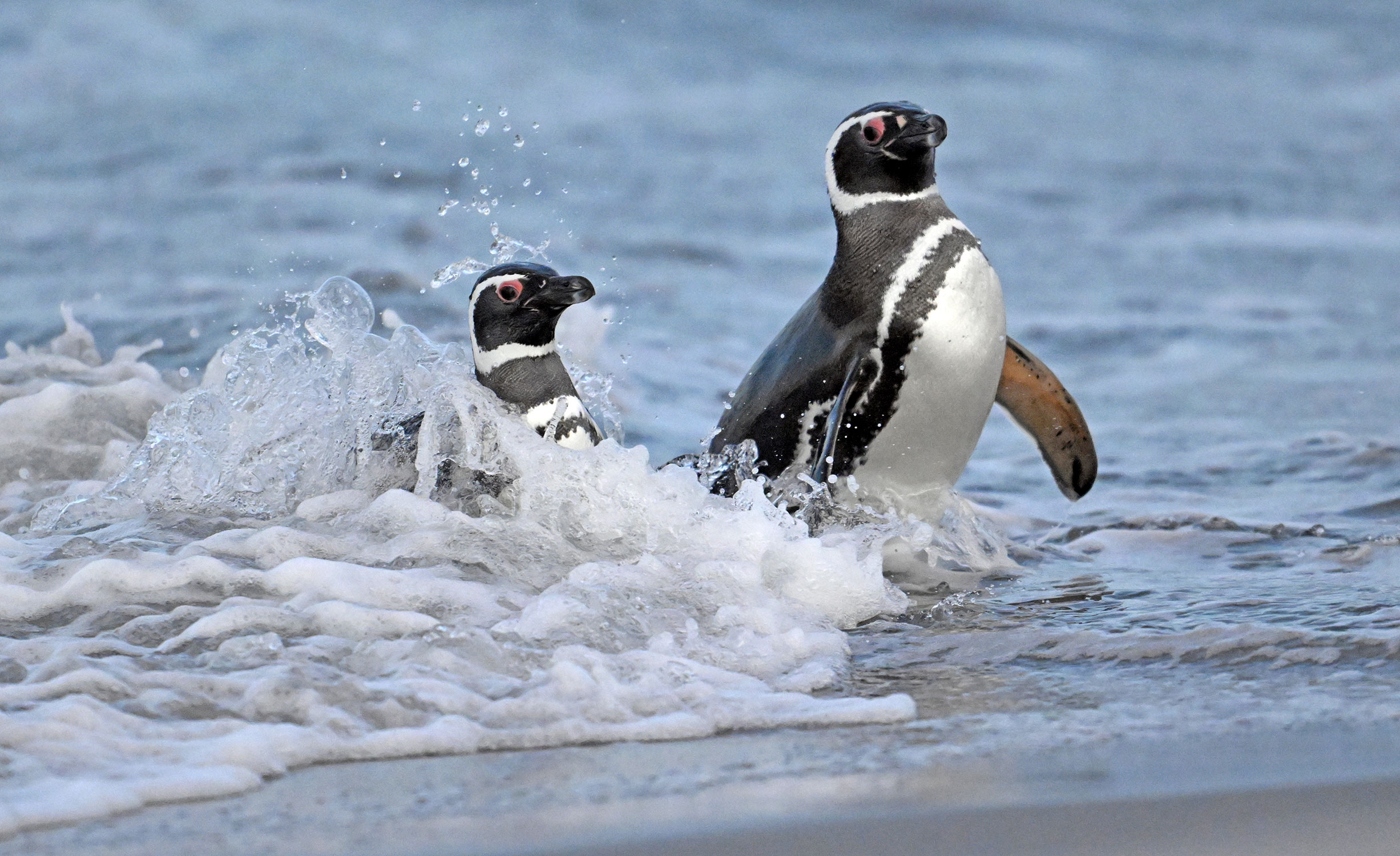
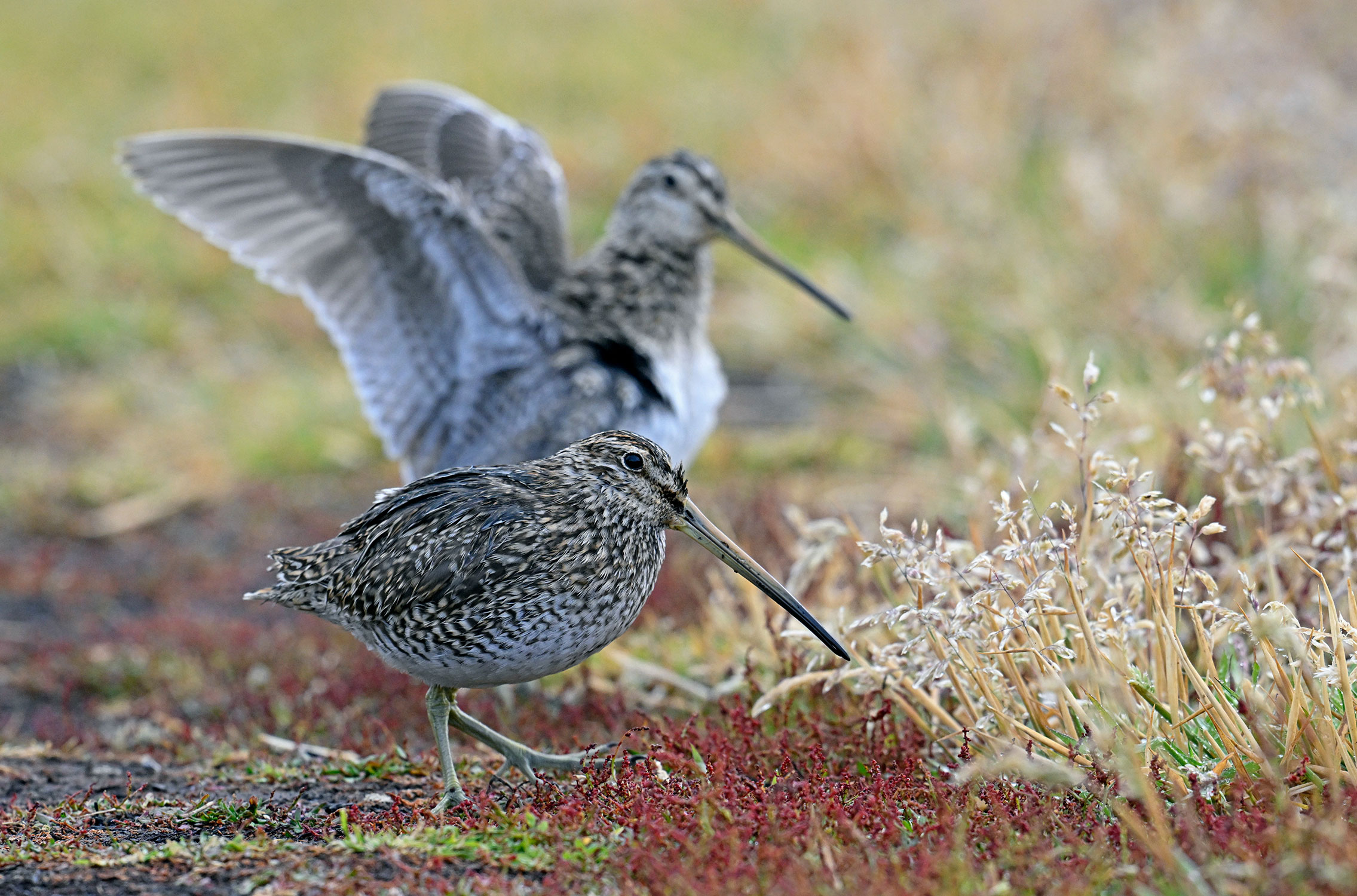
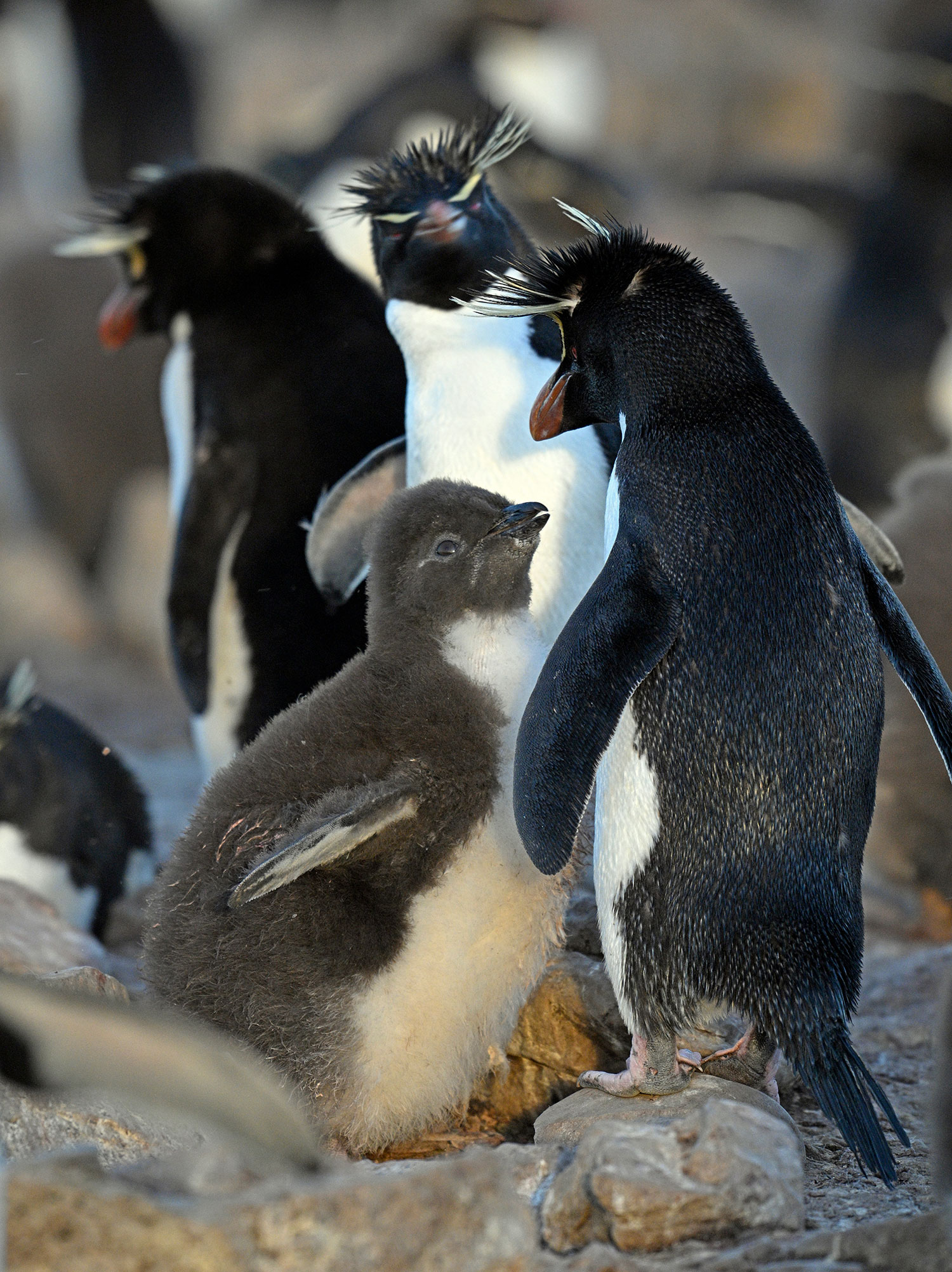
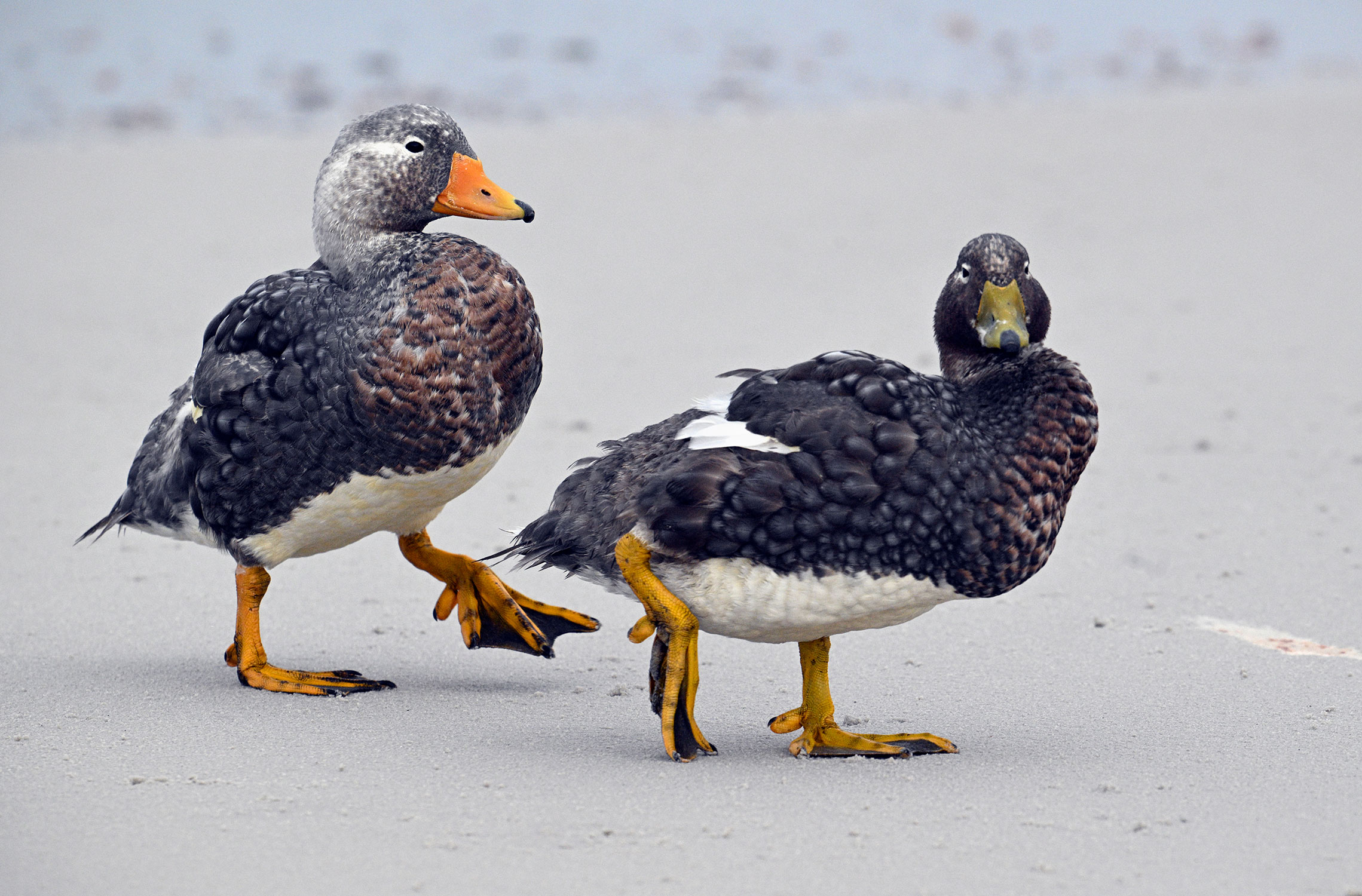
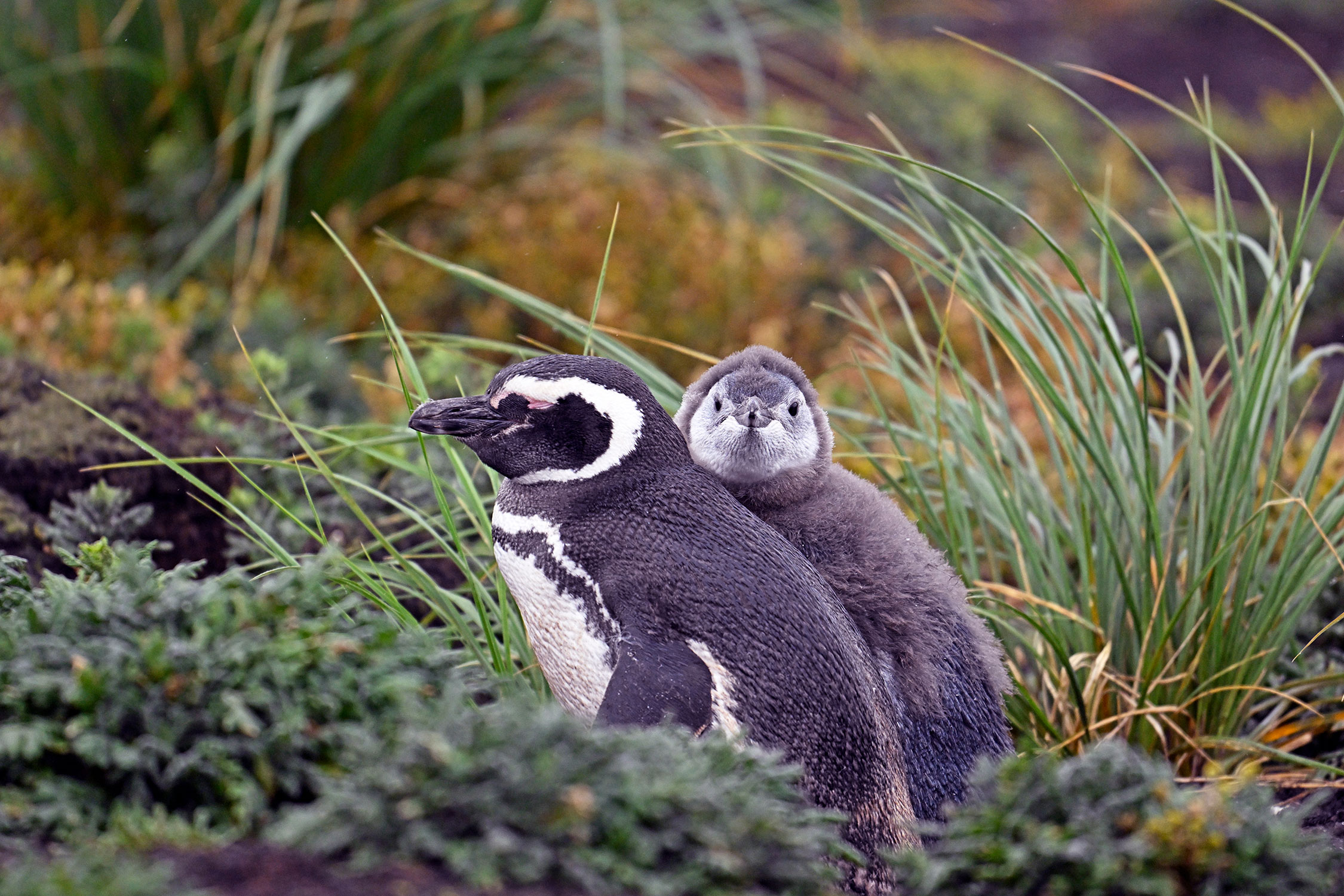
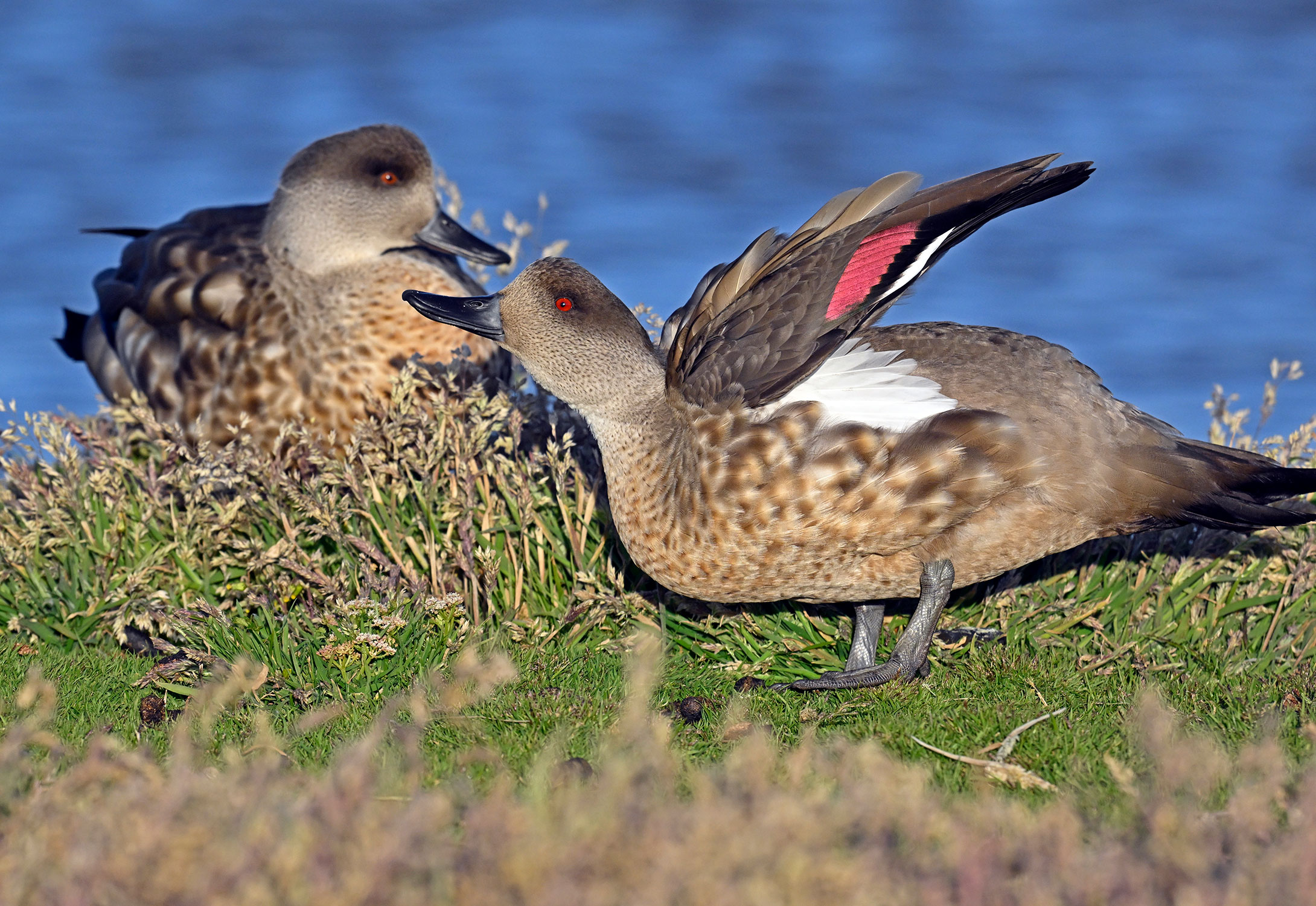
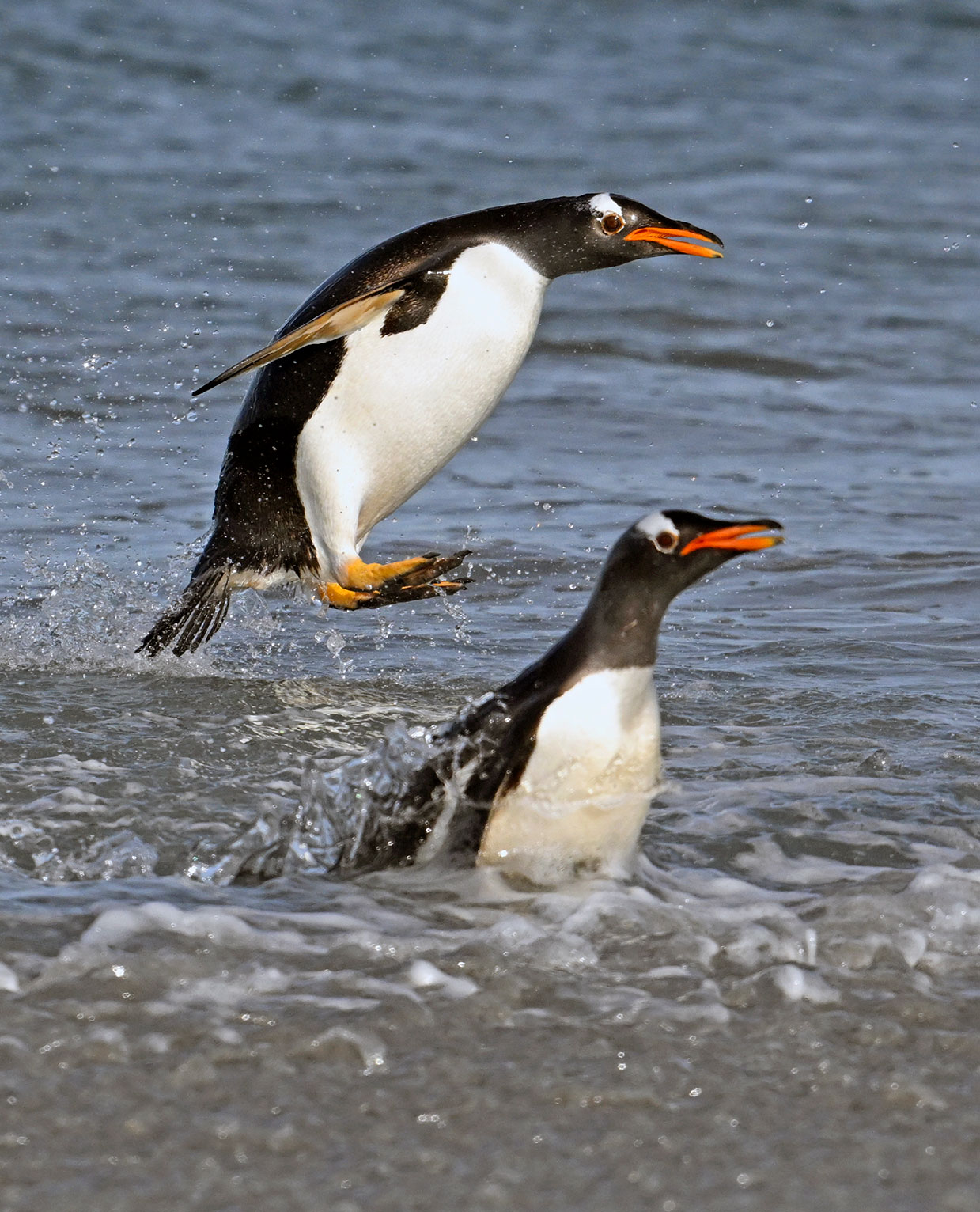
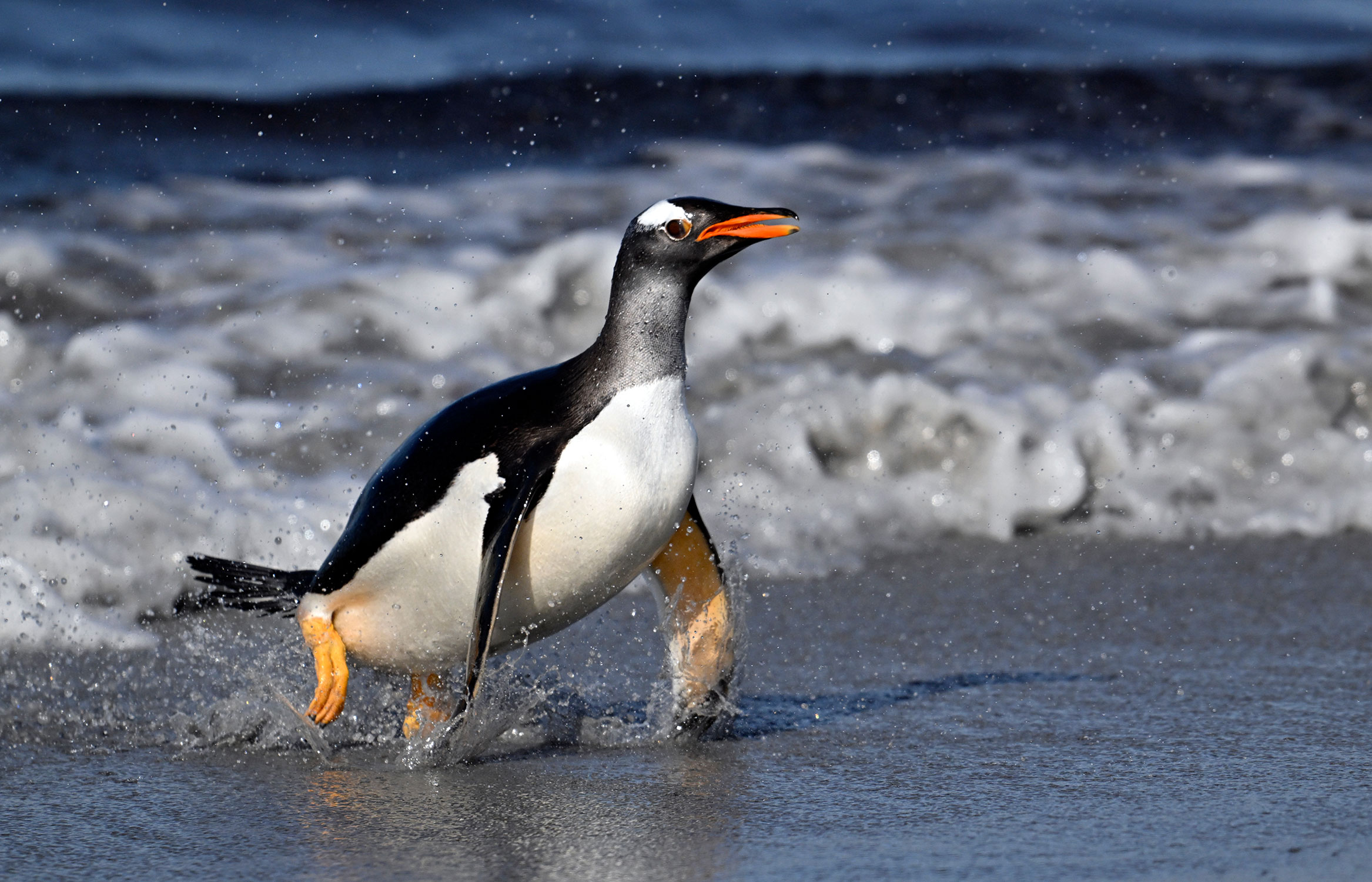
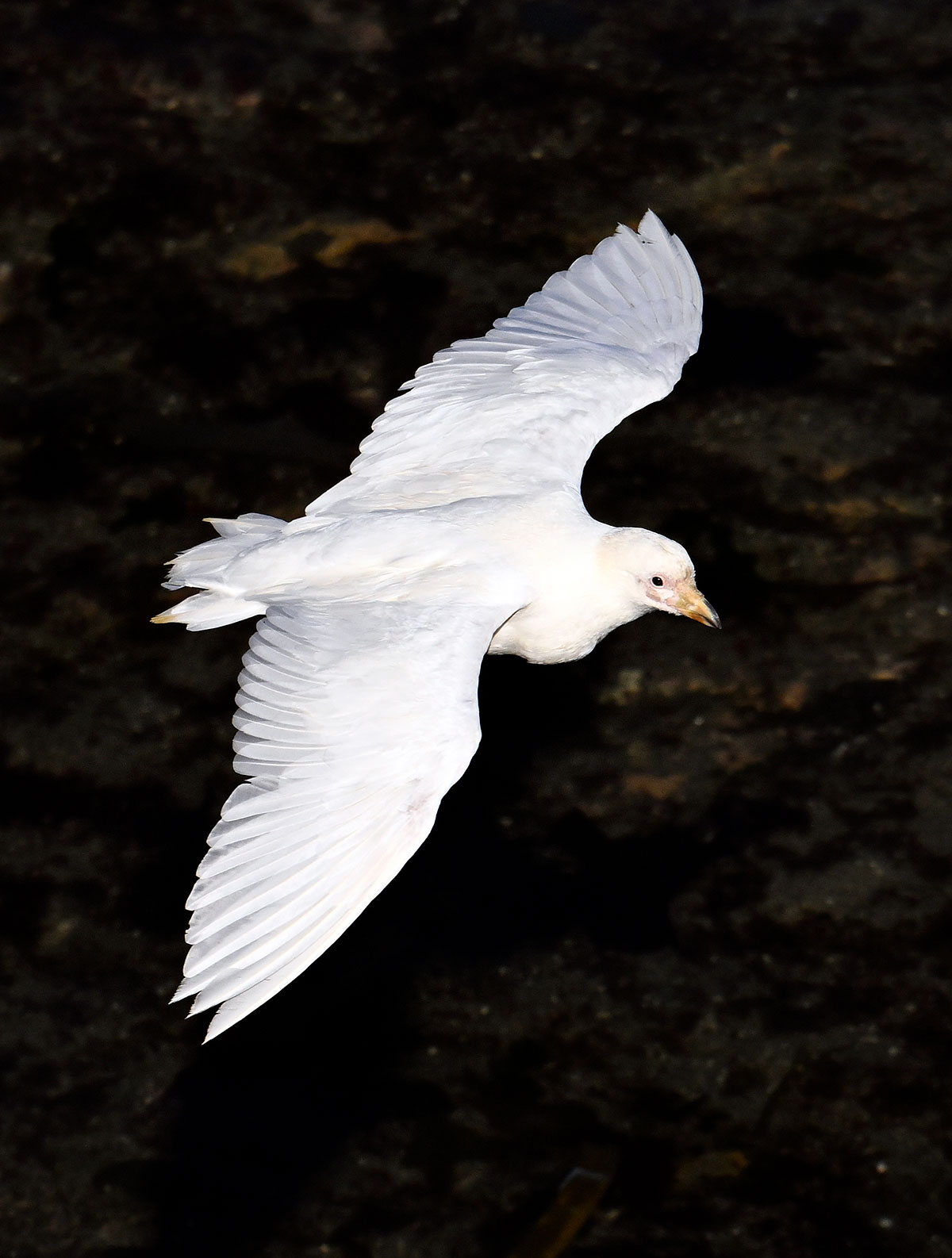
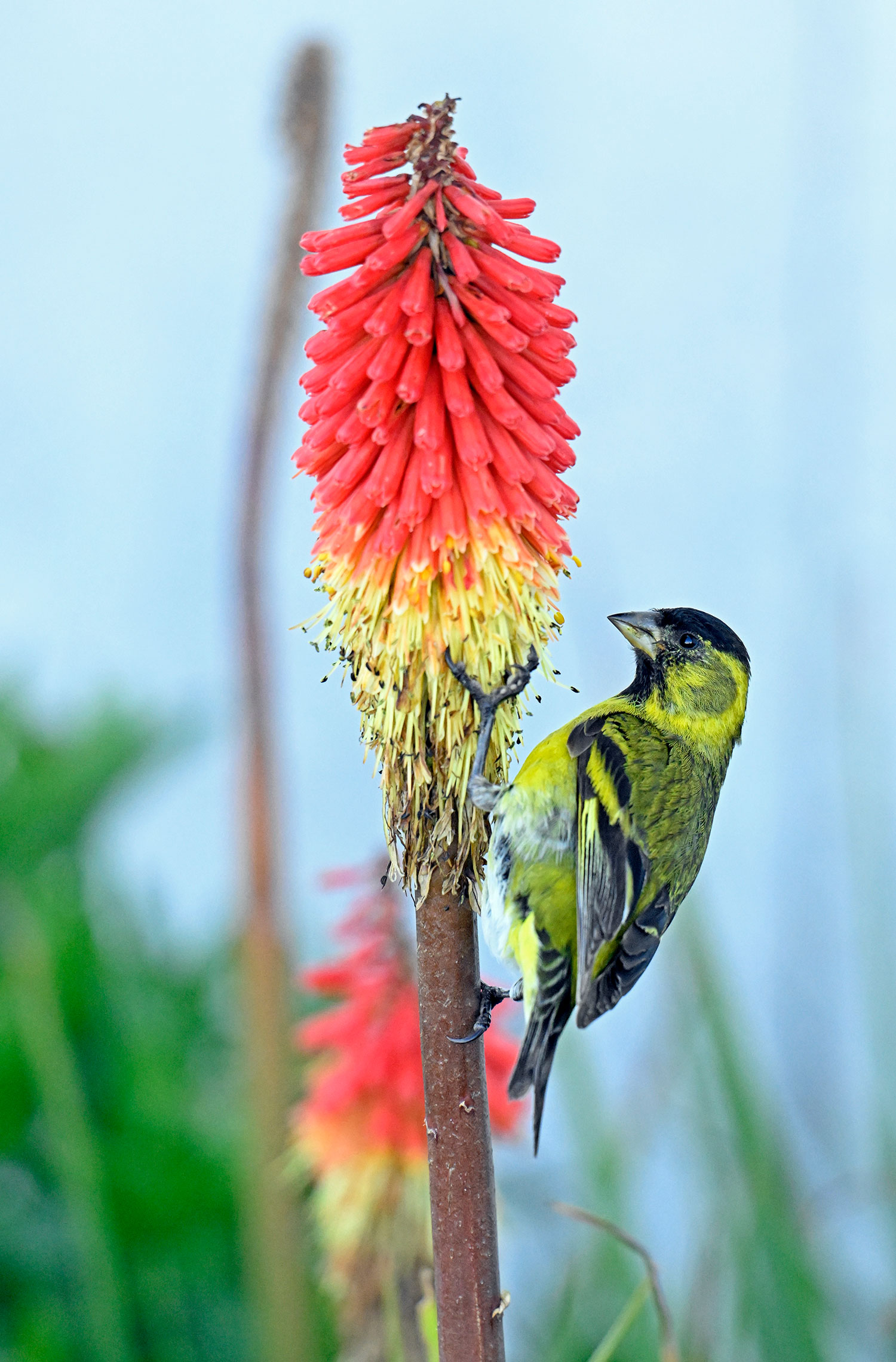
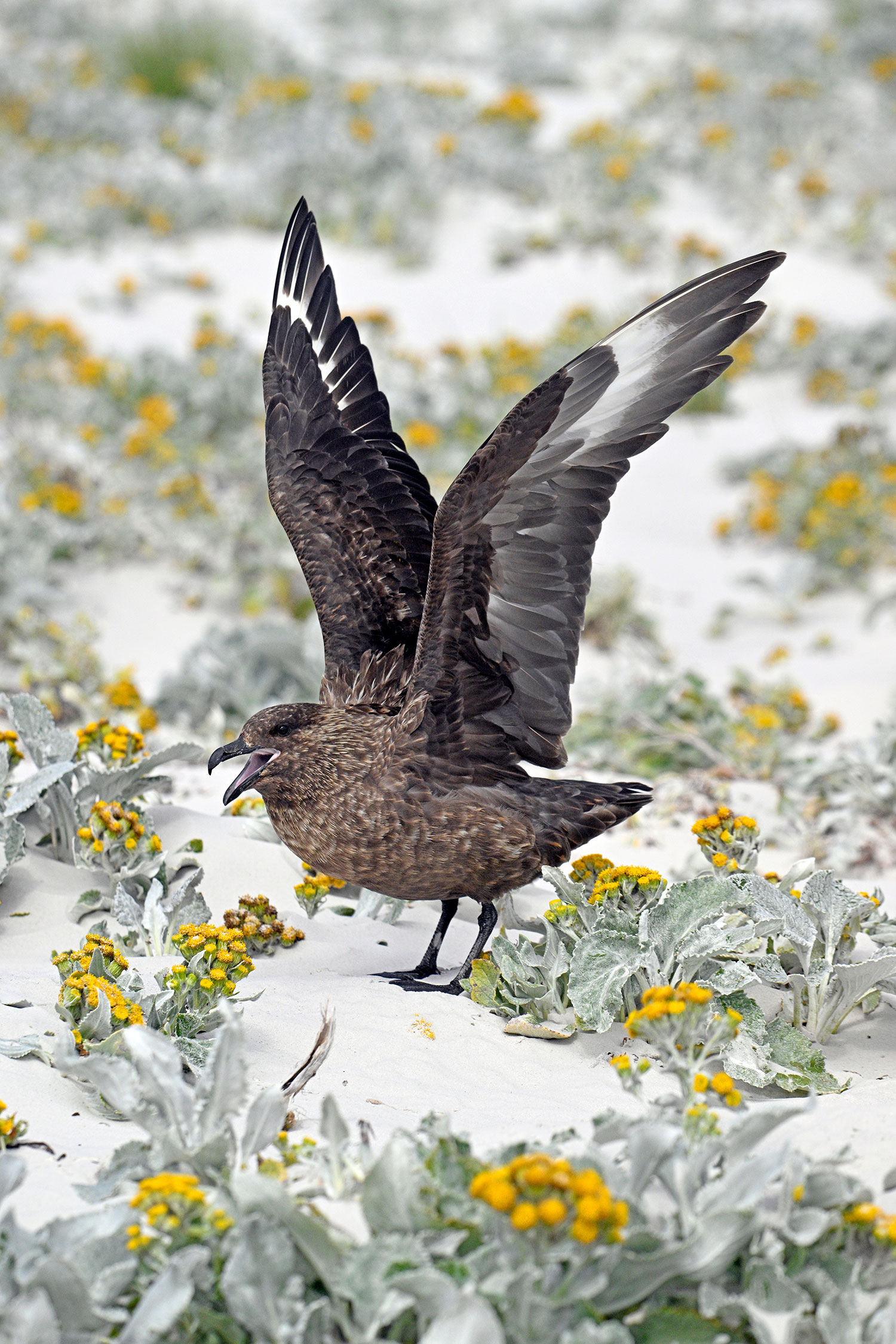
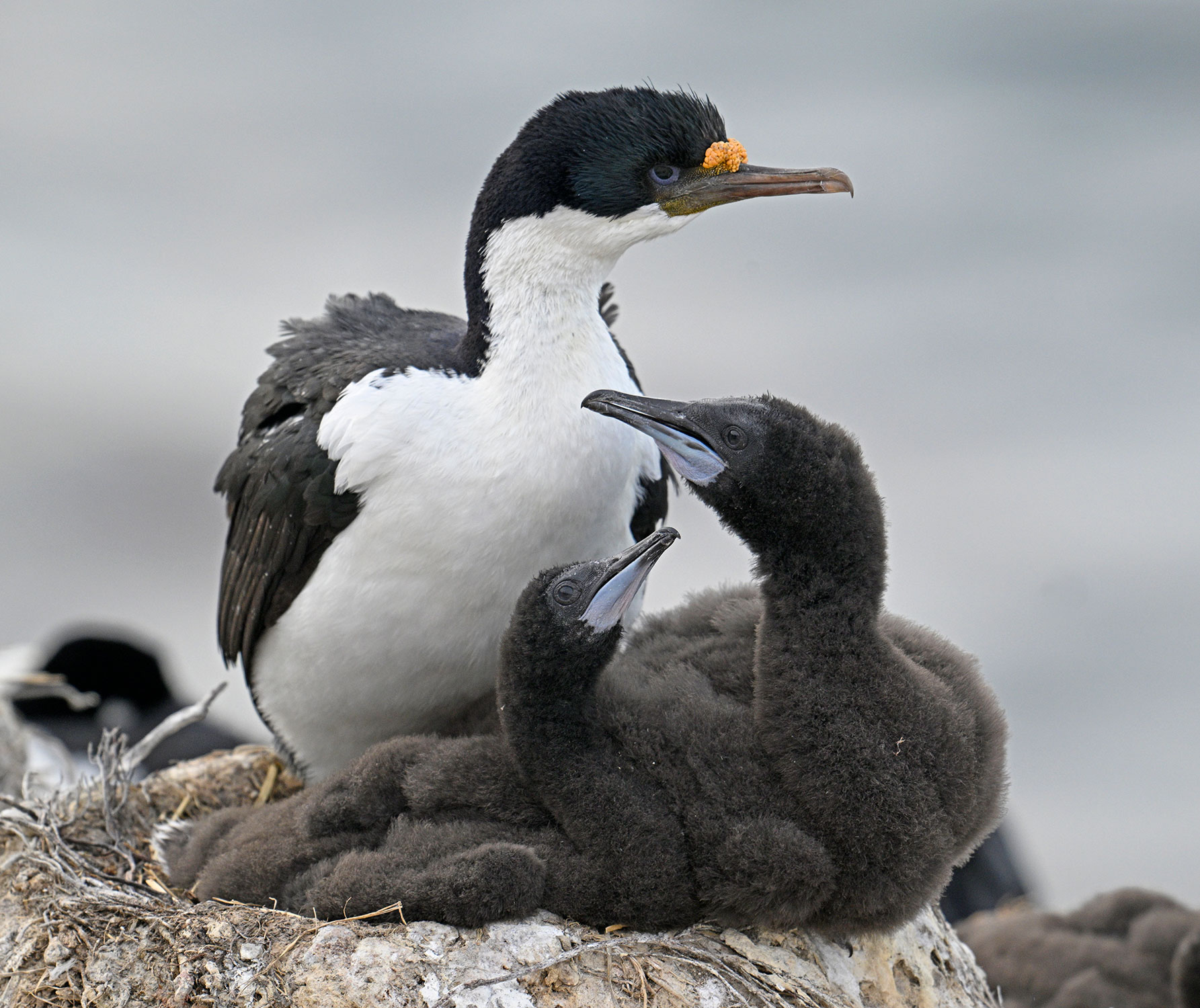
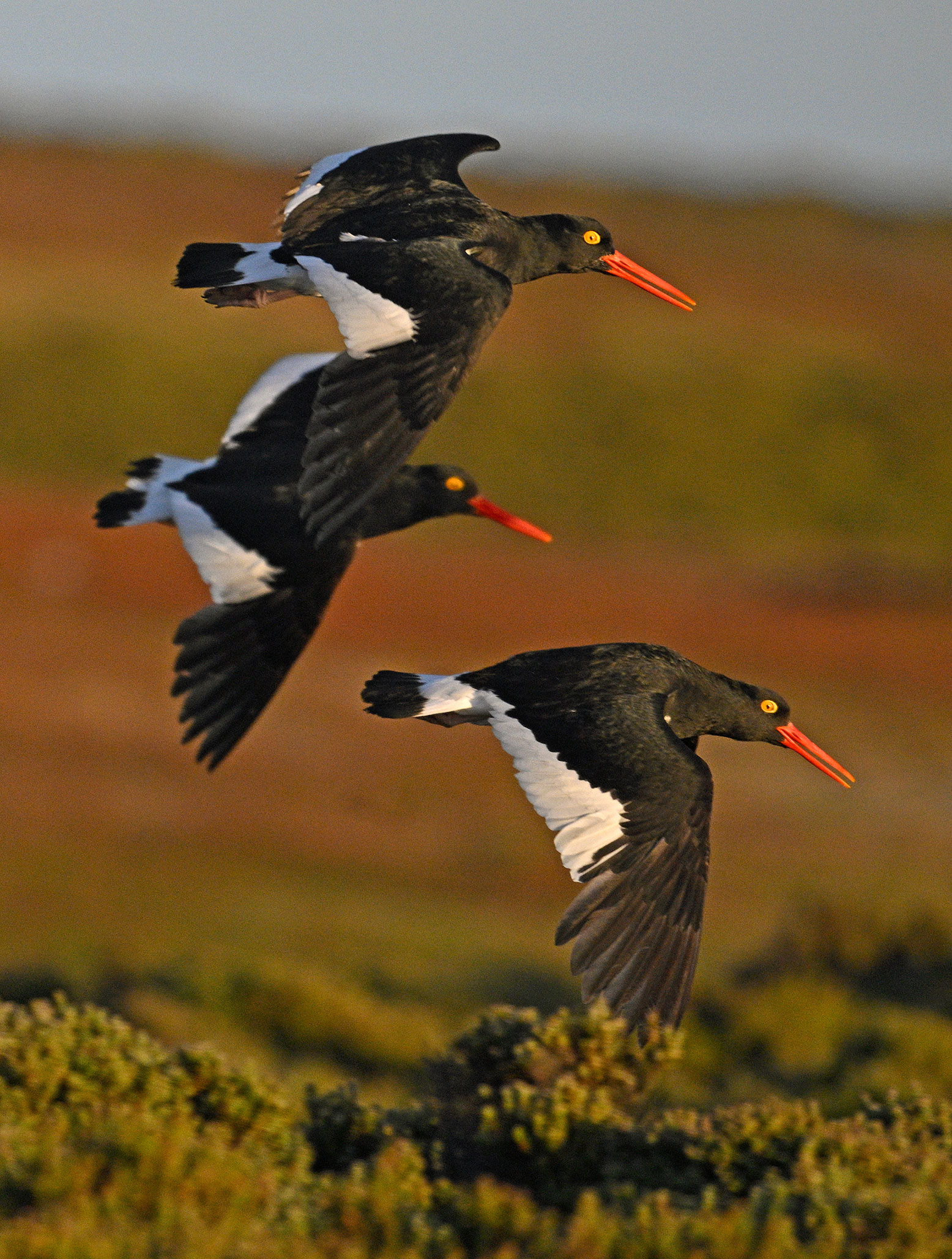
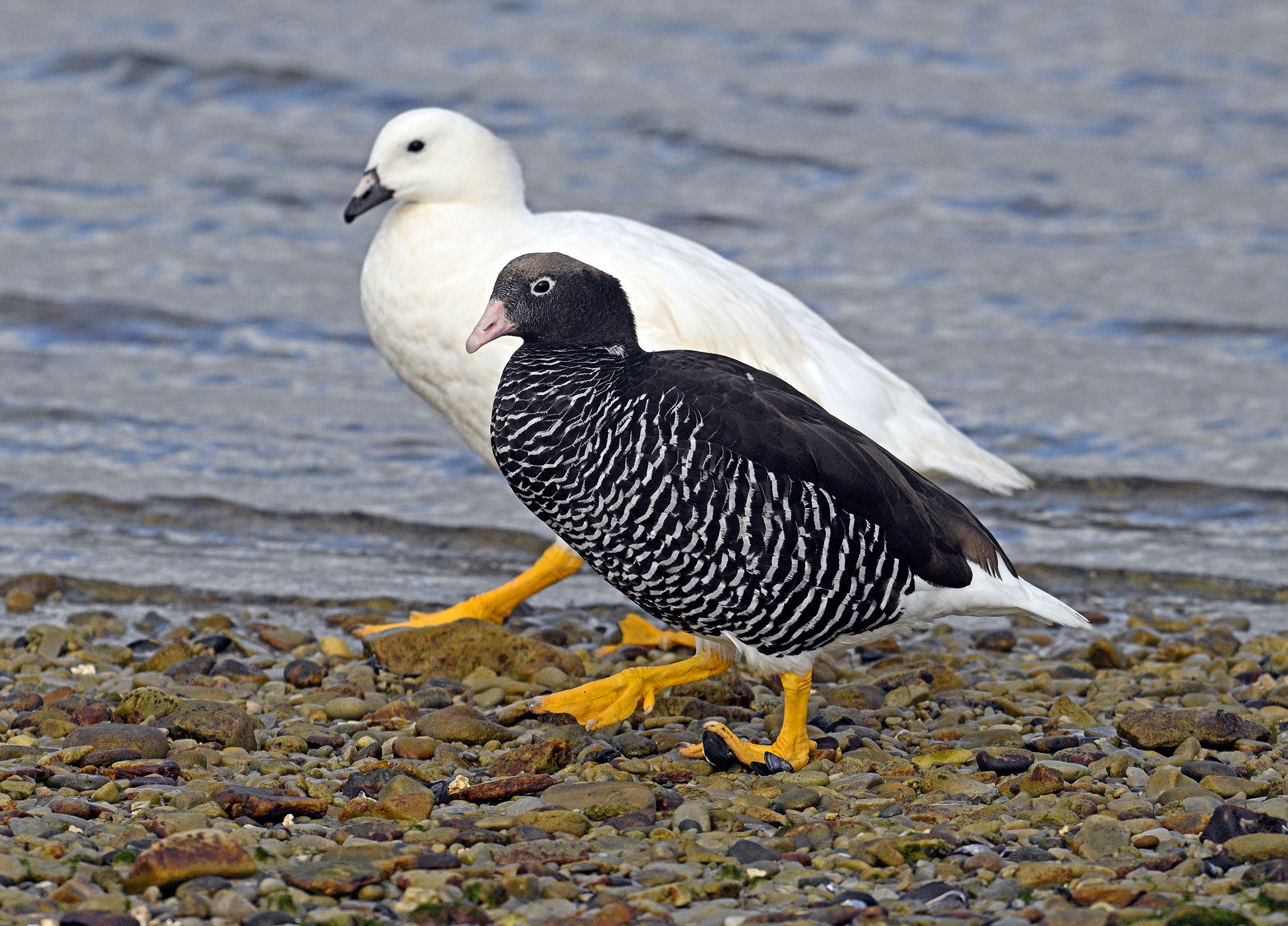
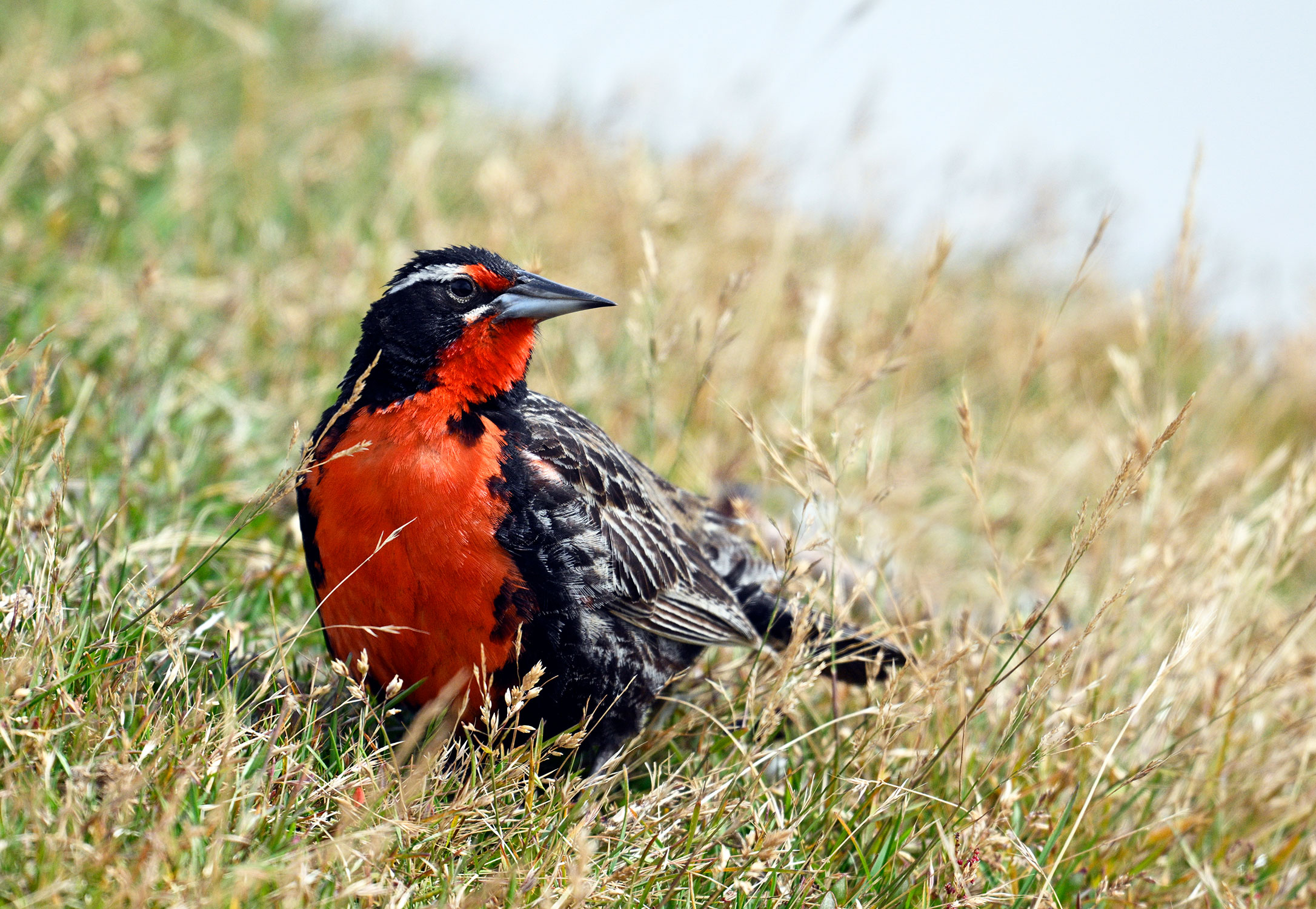
Enough of the negativity, as once you learn to be flexible, the trip was worth the price of admission. The Falkland Islands offer some of the best bird photography on the planet, as I’ve come up with a nifty moniker… “The Penguin Capital of the World.” There are 4 main penguin species seen throughout the country, and a handful of other castaways that ended up joining the gentoo, king, Magellanic and southern rockhopper colonies. Other prominent seabirds include an armada of black-browed albatross, imperial cormorants, skuas and giant petrels, grebes and a handful of lovely waterfowl and shorebird species. Just a few songbirds and raptors round out the relatively short bird list. The windswept islands are nearly devoid of trees.
The tour was hosted by my good friend, Nikhil Bahl, who has been running top flight tours for well over a decade. Nikhil is one of my very favorite tour leaders, right up there with Alan Murphy, Matthew Studebaker, Glenn Bartley and Greg Downing. Nikhil did a fantastic job managing the challenging logistics and making sure that everyone had a very productive trip. Nikhil raises the bar quite high when it comes to creative compositions, and is more than happy to share his in-field process, a beautiful dynamic to watch with his always respectful approach and love for the animals. I learned so much during these 2 weeks. We lucked out with the weather, able to shoot all 14 days with only a few minor rainy and foggy spells that lifted within hours.
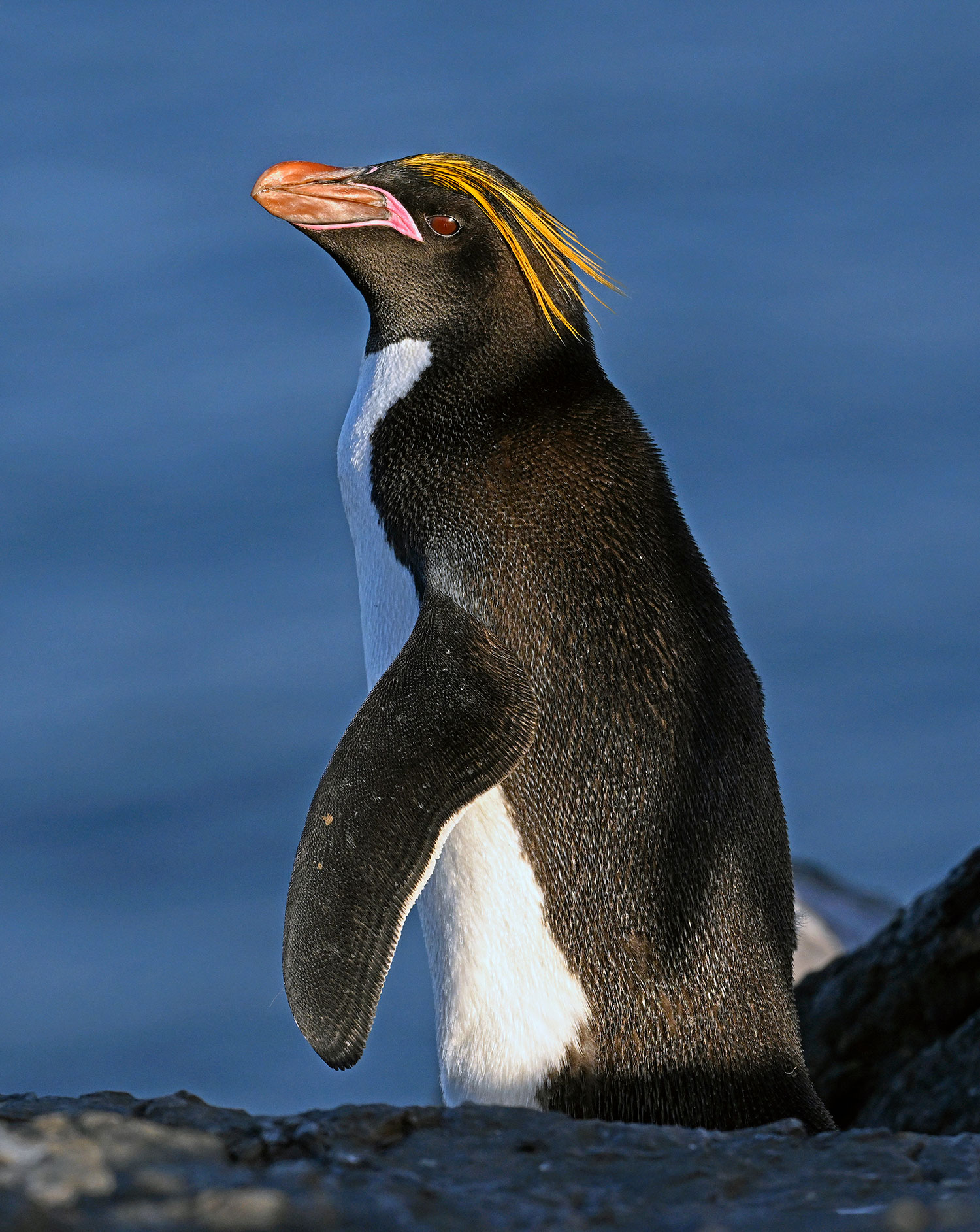
In all we visited five prime locations… Saunders Island, Sea Lion Island, Bleaker Island, Pebble Island and Volunteer Point. All but the first one offer hot meals that were surprisingly sumptuous. Several islands had really nice rooms that rivaled a Marriott stay. All the hosts were quite pleasant and helpful, pointing out special opportunities like a wayward Macaroni penguin that had found love at the local rockhopper colony. Because the lodges are small and can only accommodate a few guests at a time, we were frequently the only photographers in view, so we had the whole place to ourselves. Combined with the remarkable tolerance of the birds for close approach (a 15 foot distance is requested) the possibilities for creative compositions were endless.
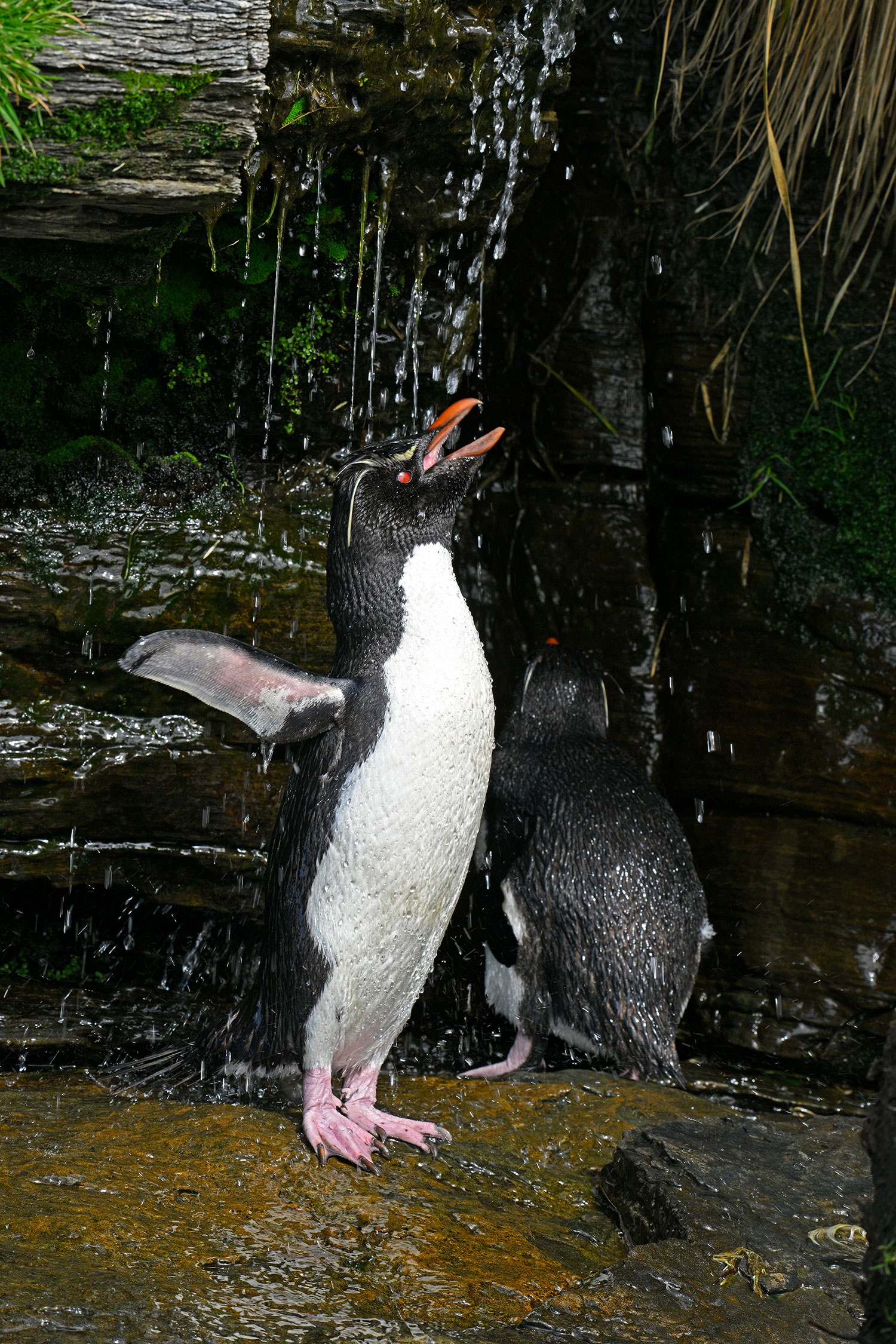
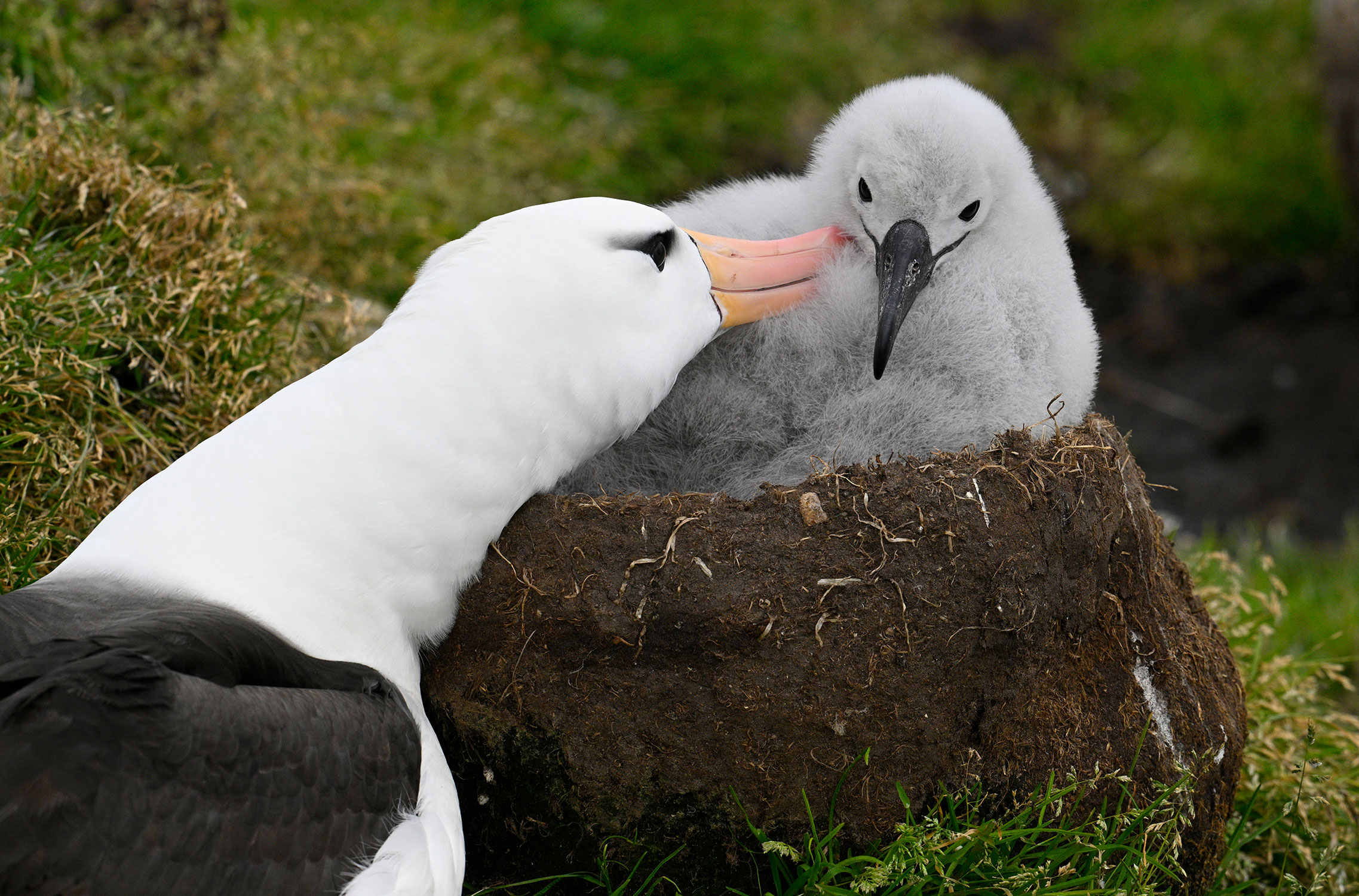
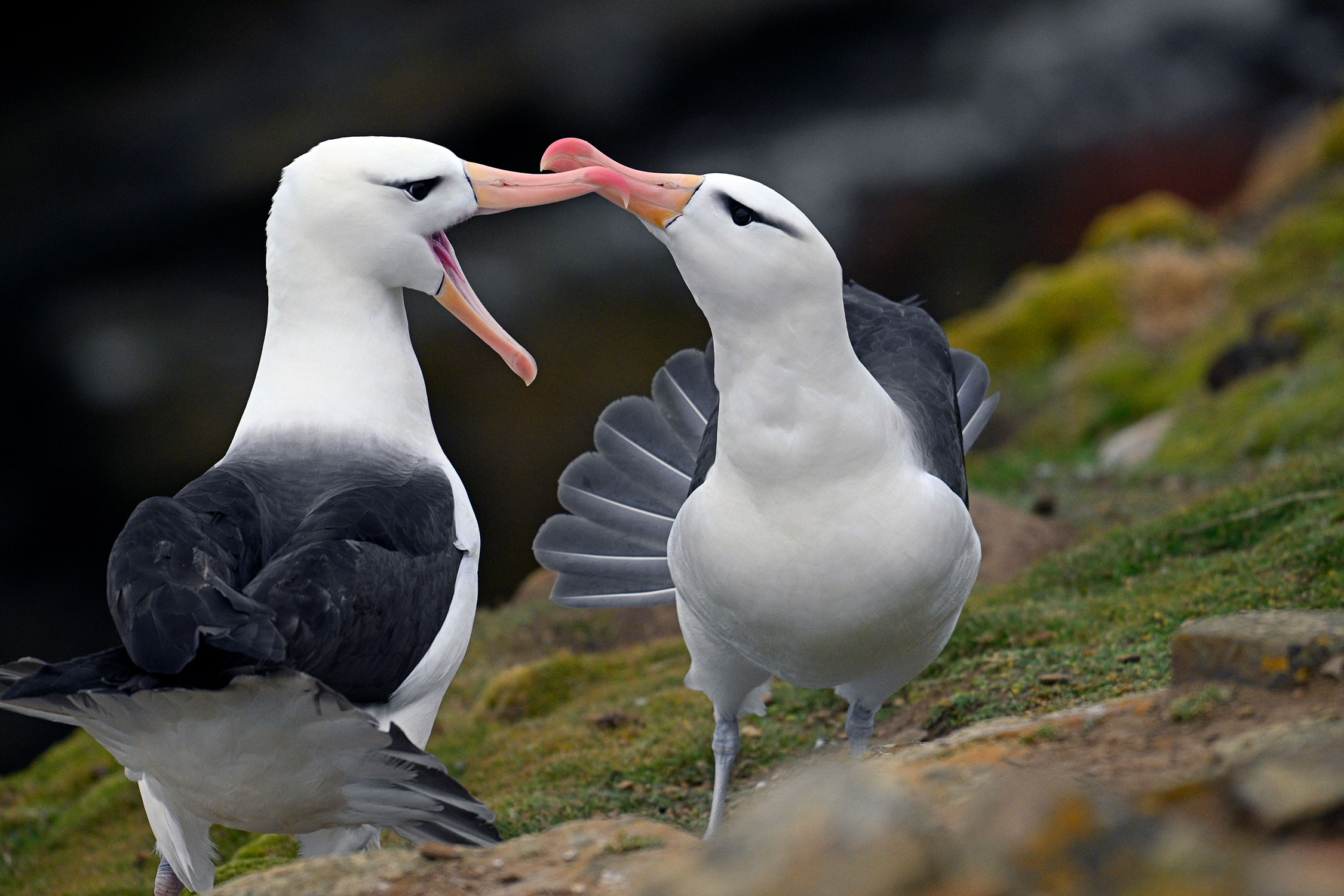
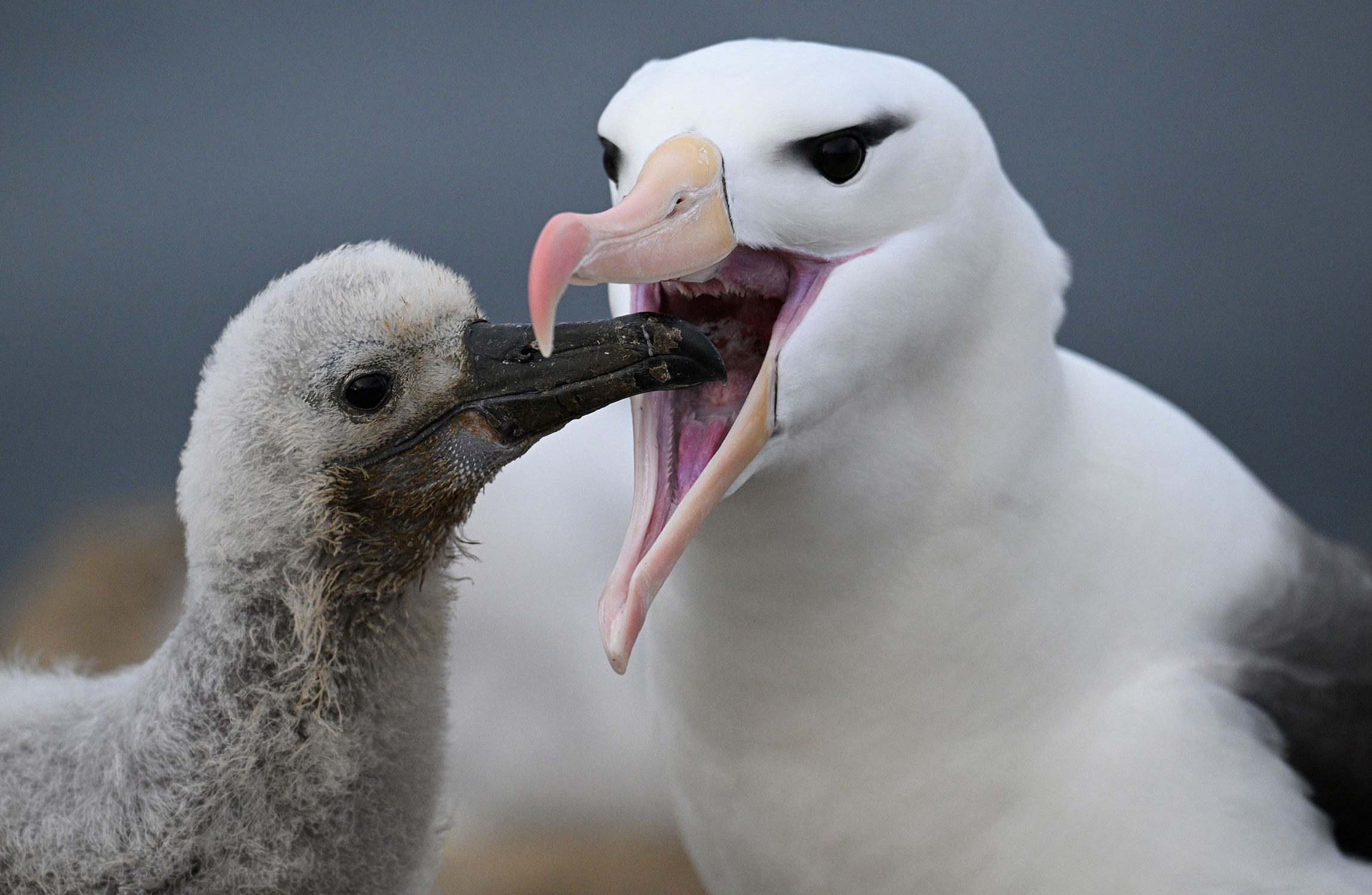
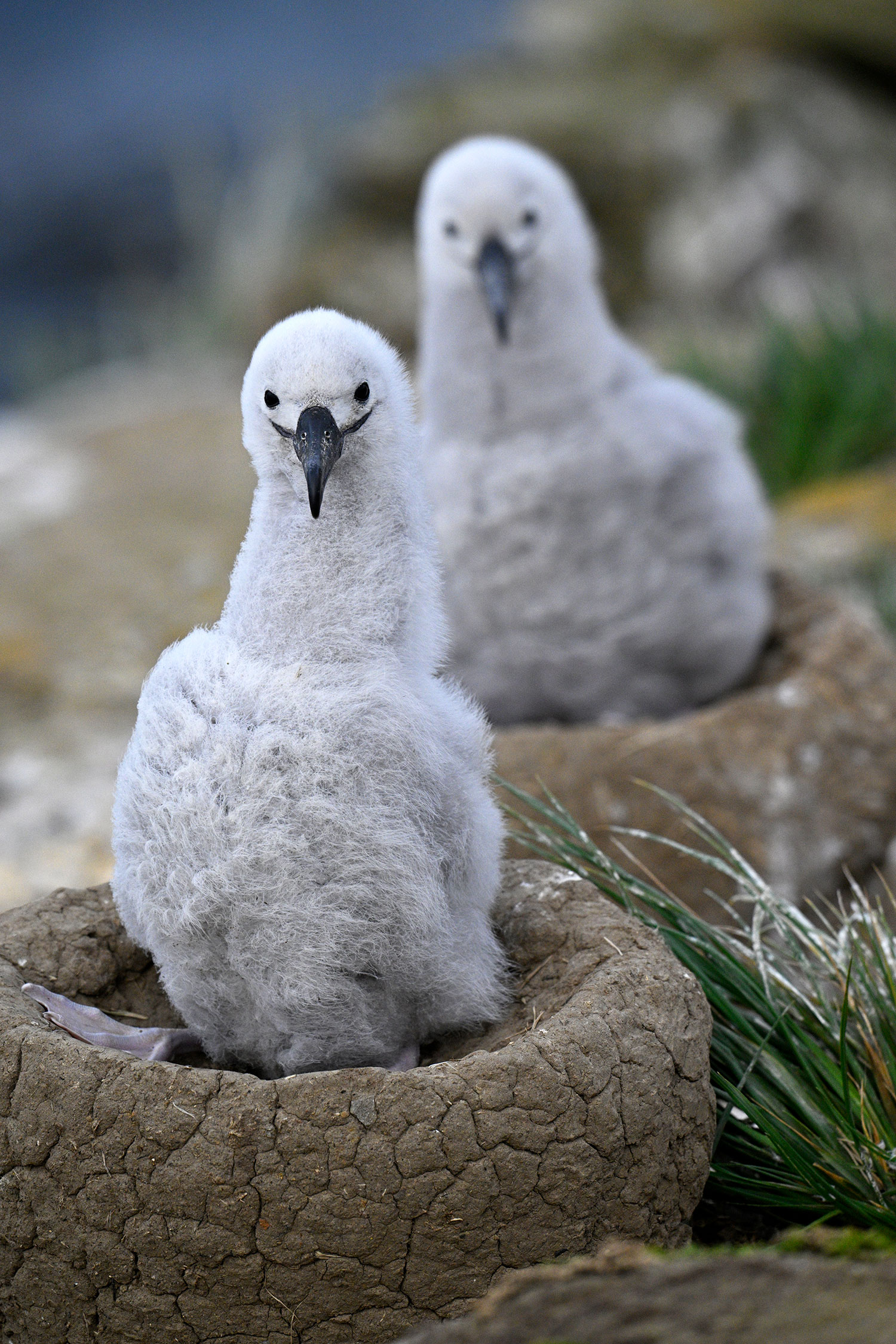
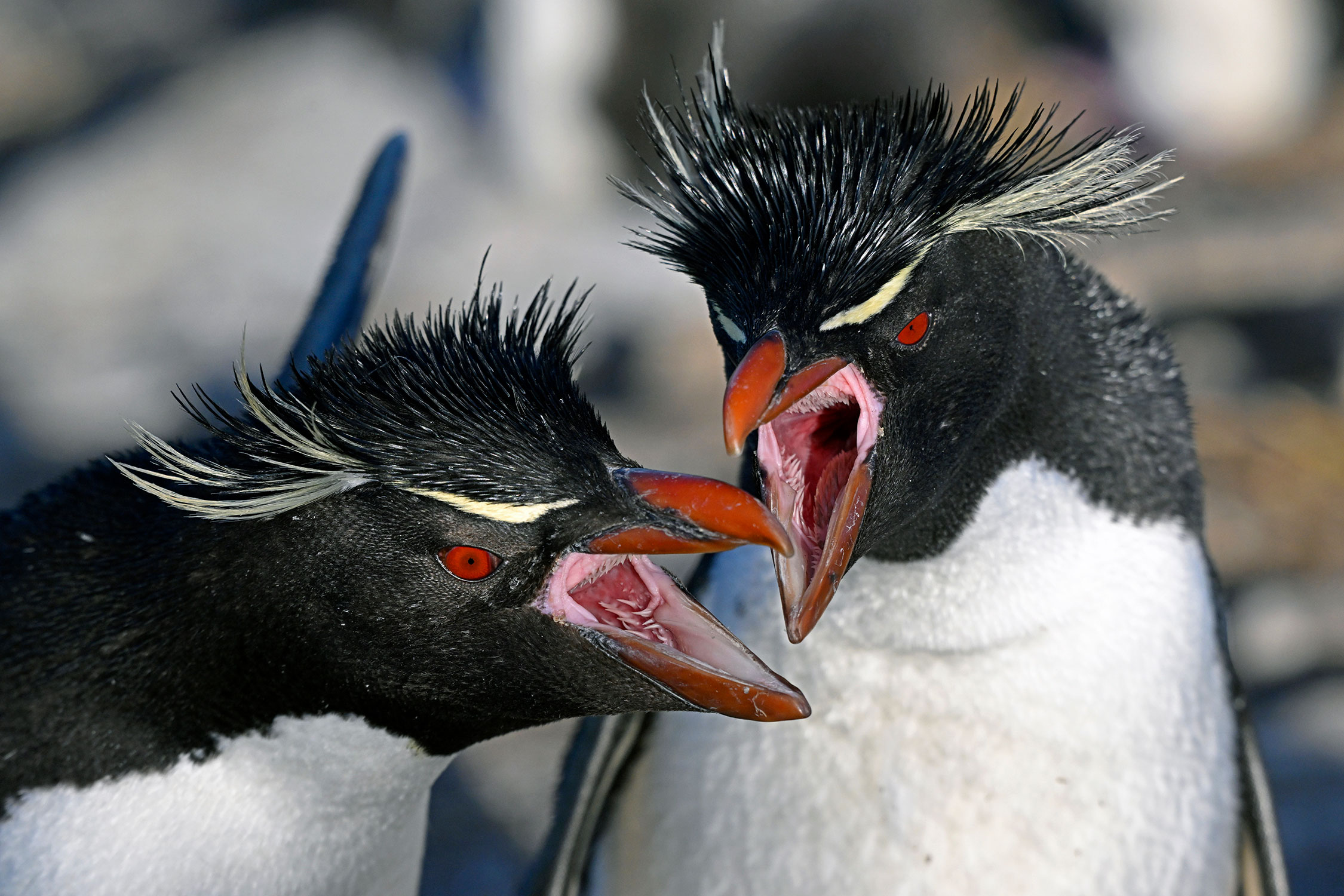
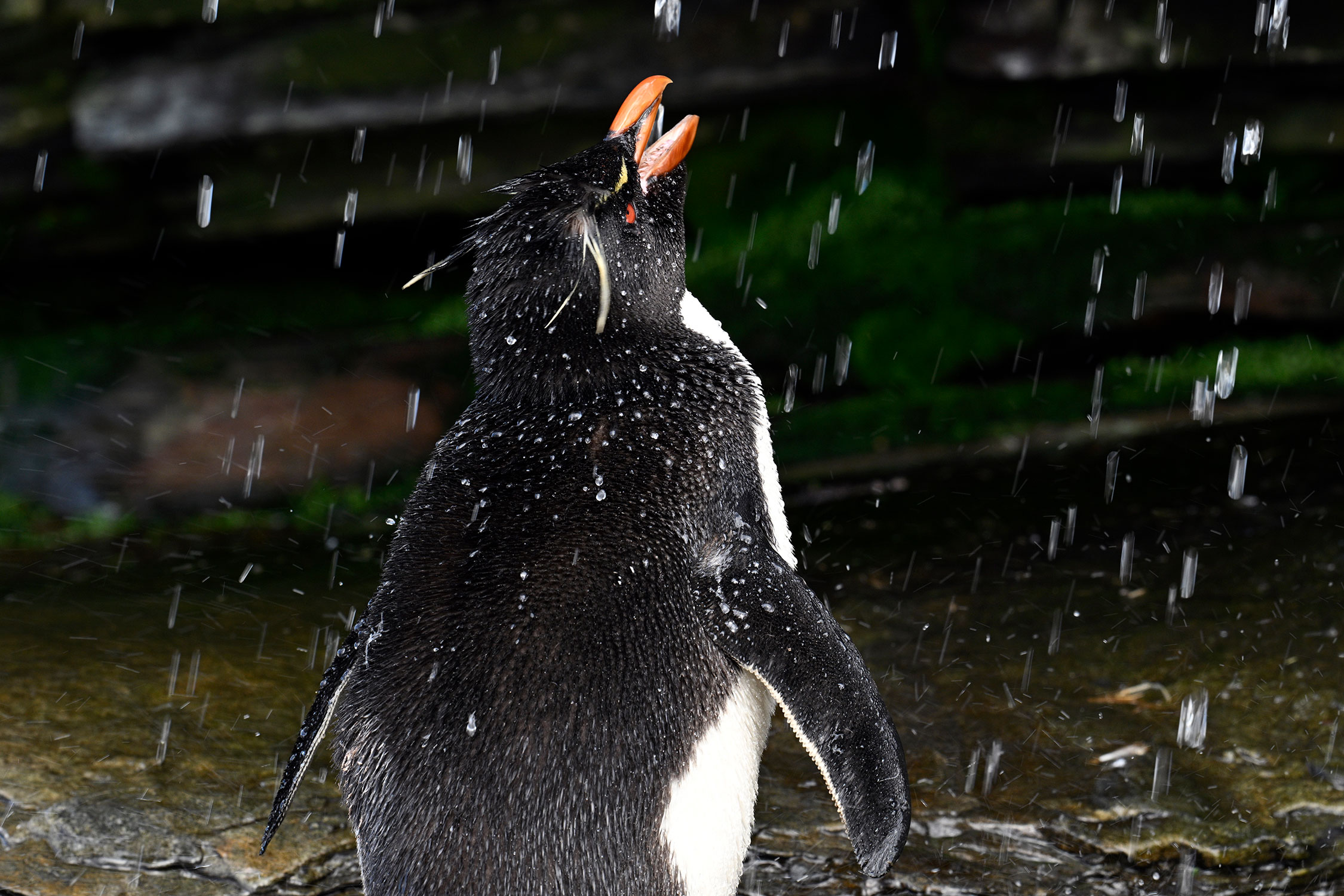
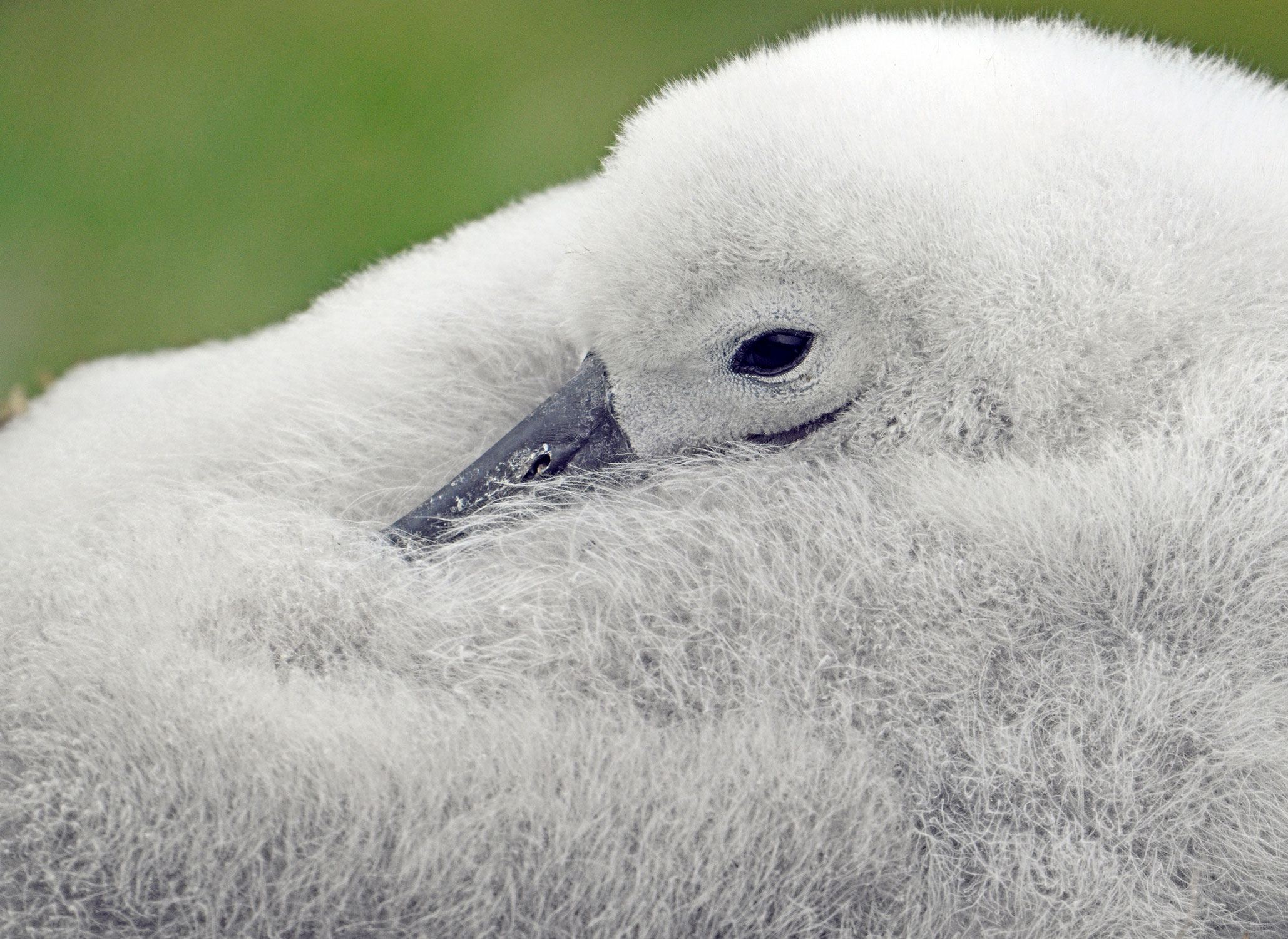
Our January trip coincided with the tail end of nesting season for most species. Gentoo, rockhopper and Magellanic chicks were almost full size and quite rambunctious by this point. The albatross chicks on Saunders looked to be “king of the castle” as they sat atop the mud mound nests wearing a coat of fluffy gray down. Fortunately a few pairs of adults at each colony engaged in their courtship dance, clanking bills with a little tail-fanned swagger. Our first shoot on Saunders was at “The Colony” meaning the cliffs with all of the nesting albatross. After a fairly long hike we reached the path down to the rockhopper shower, where spring water drips over a rock ledge, creating the perfect opportunity for the birds to take a shower. With a strong flow this year, multiple rockhoppers stepped up for a vigorous bath. What great fun!
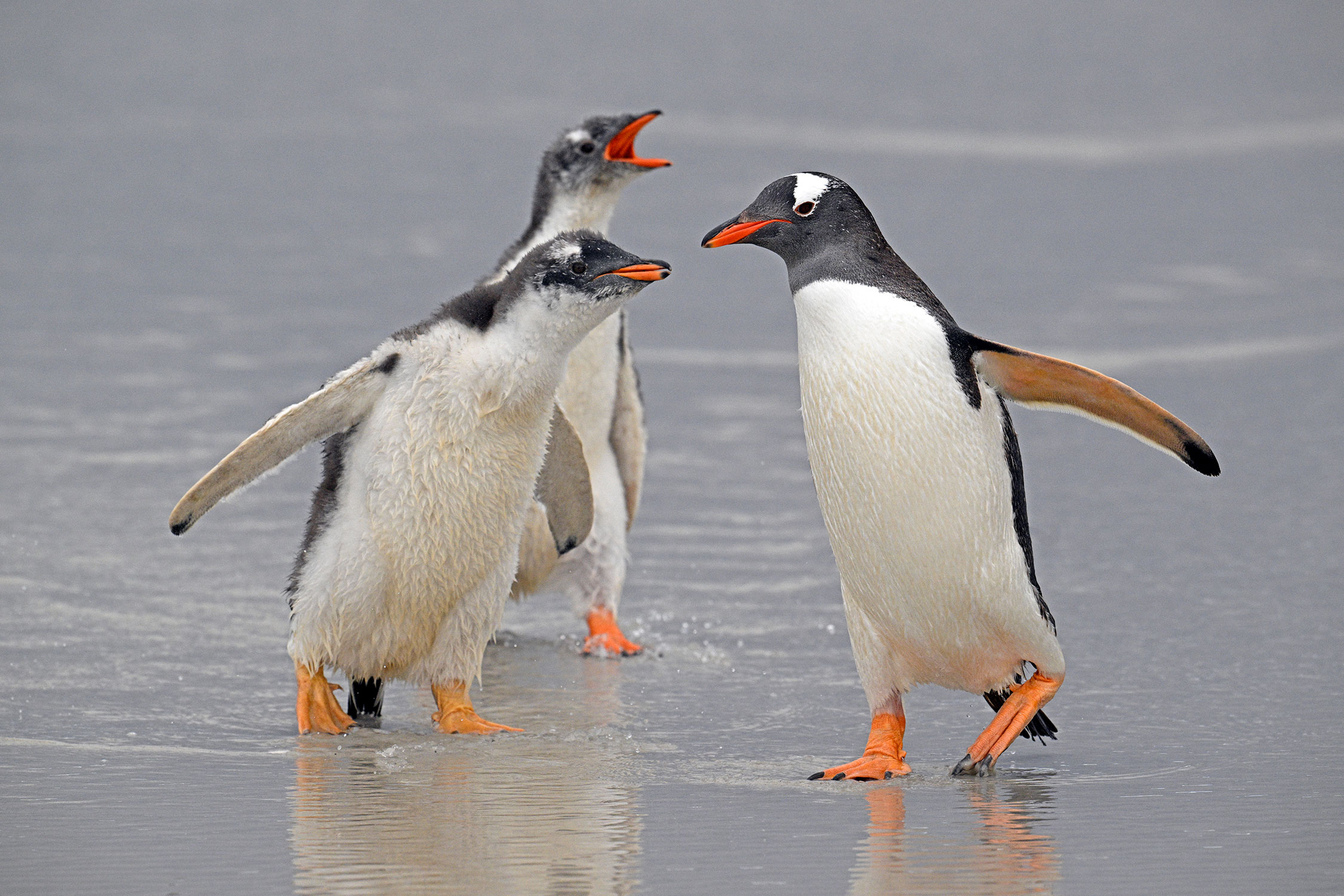
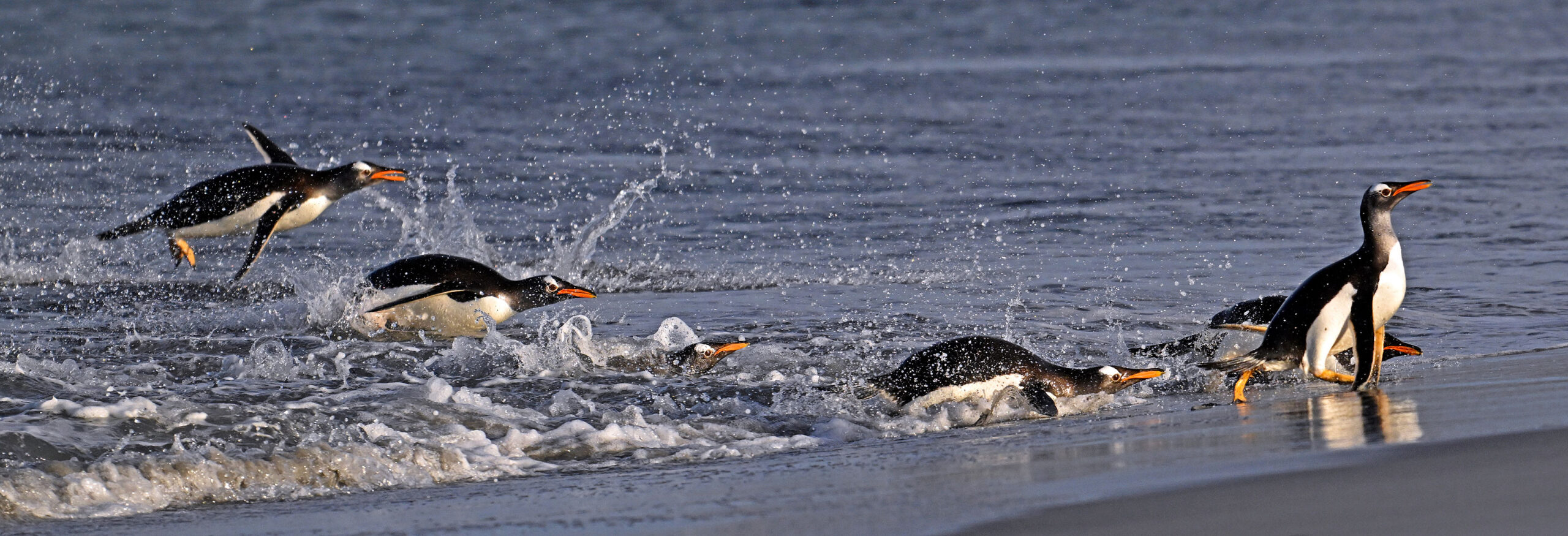
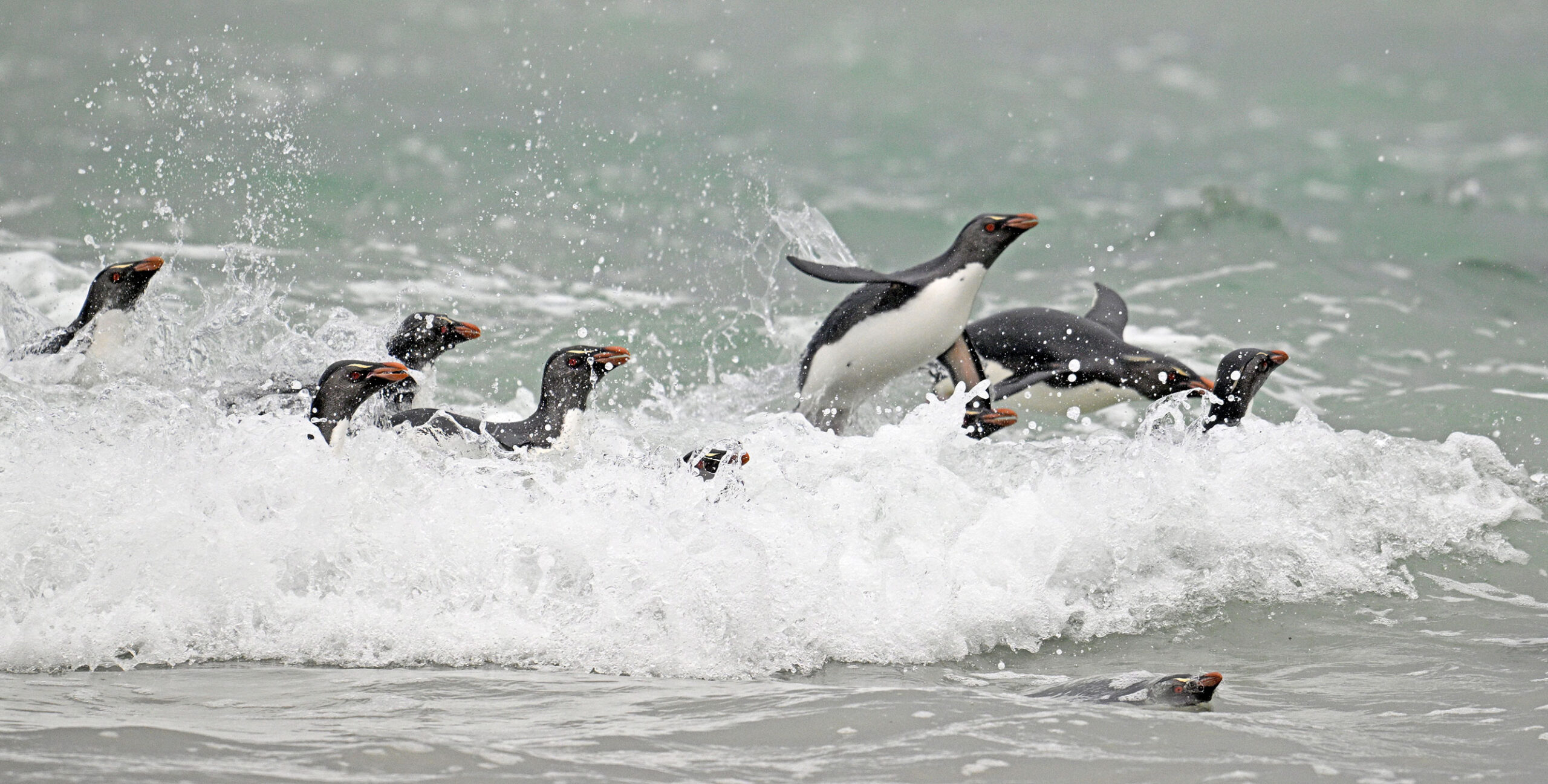
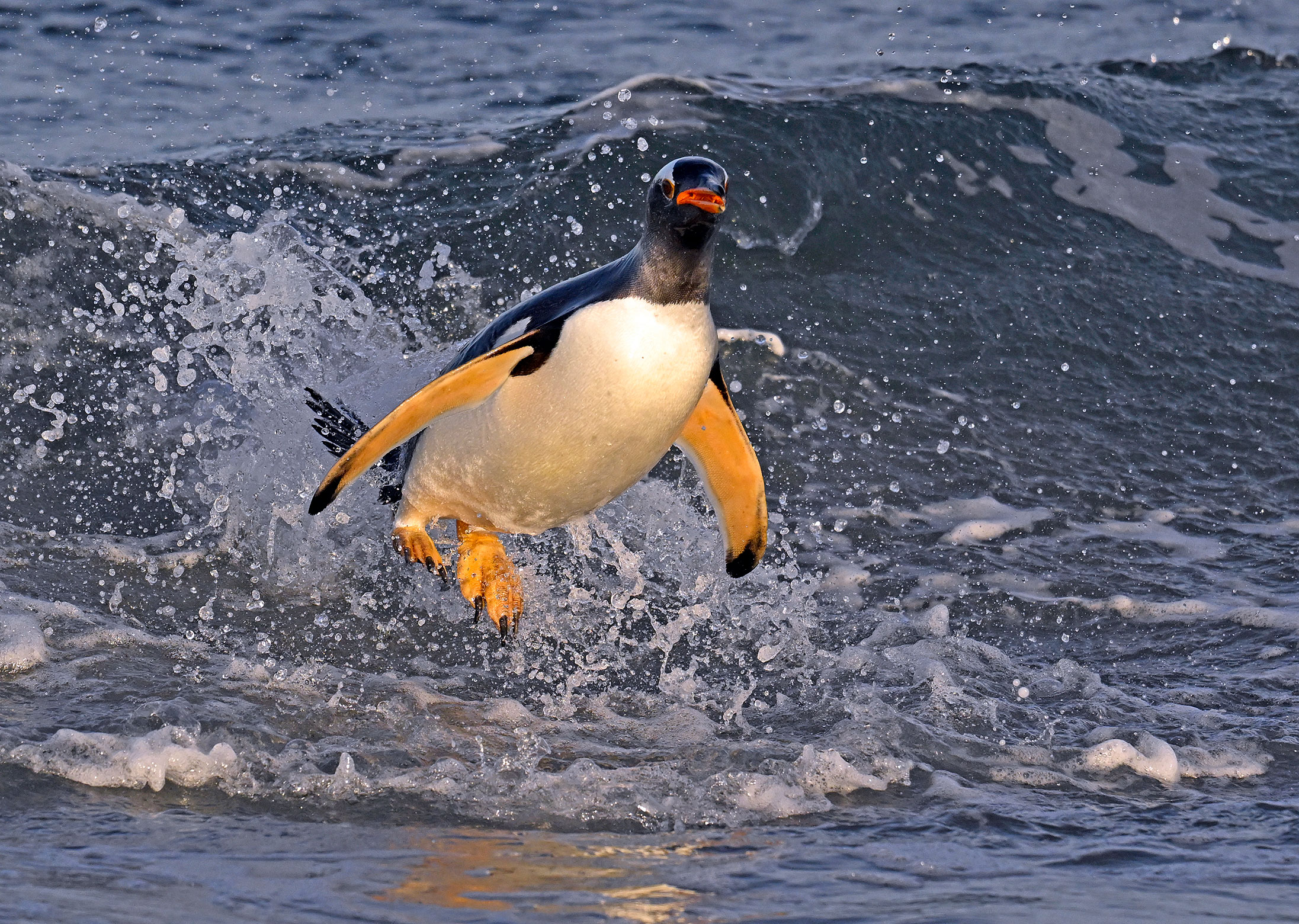
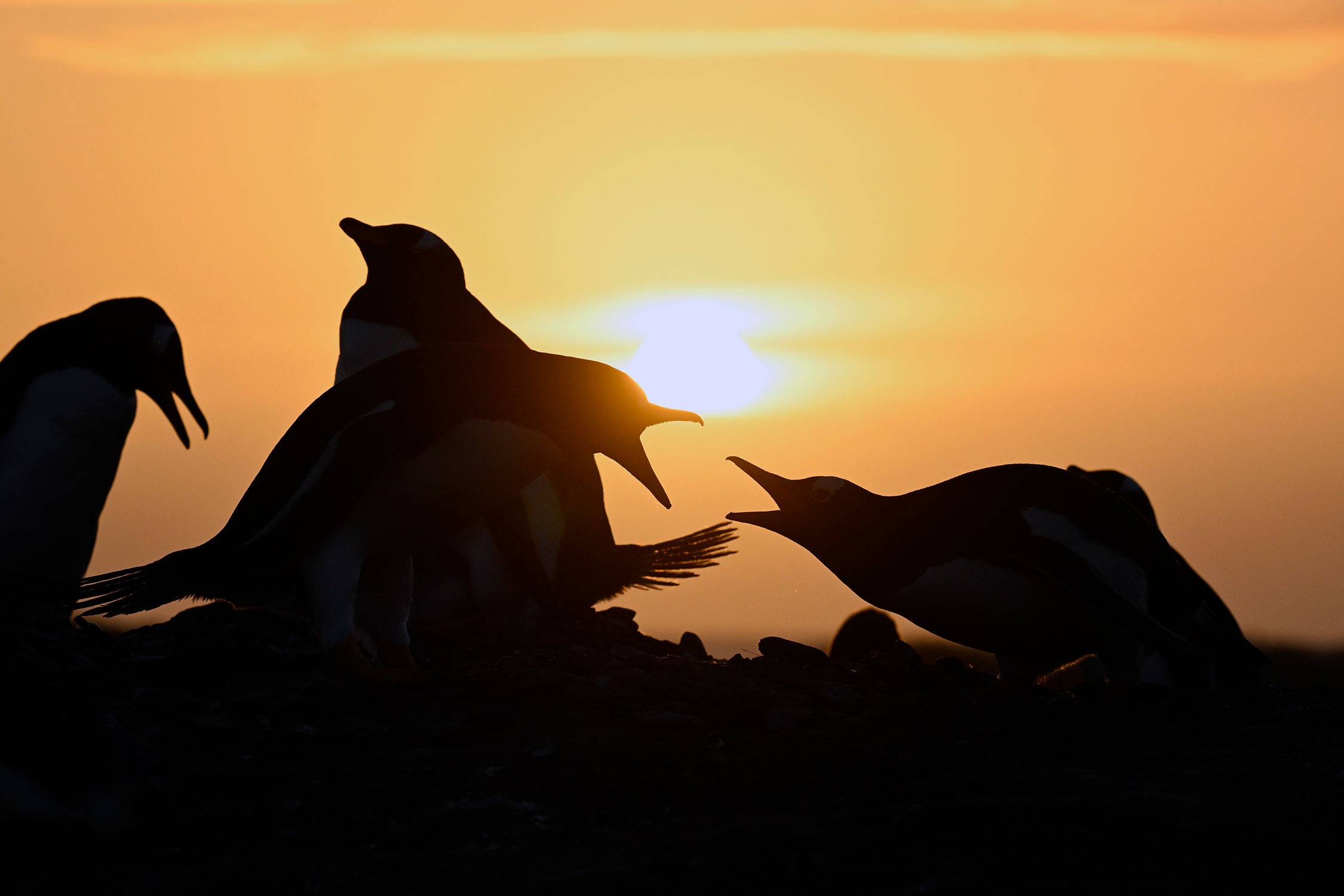
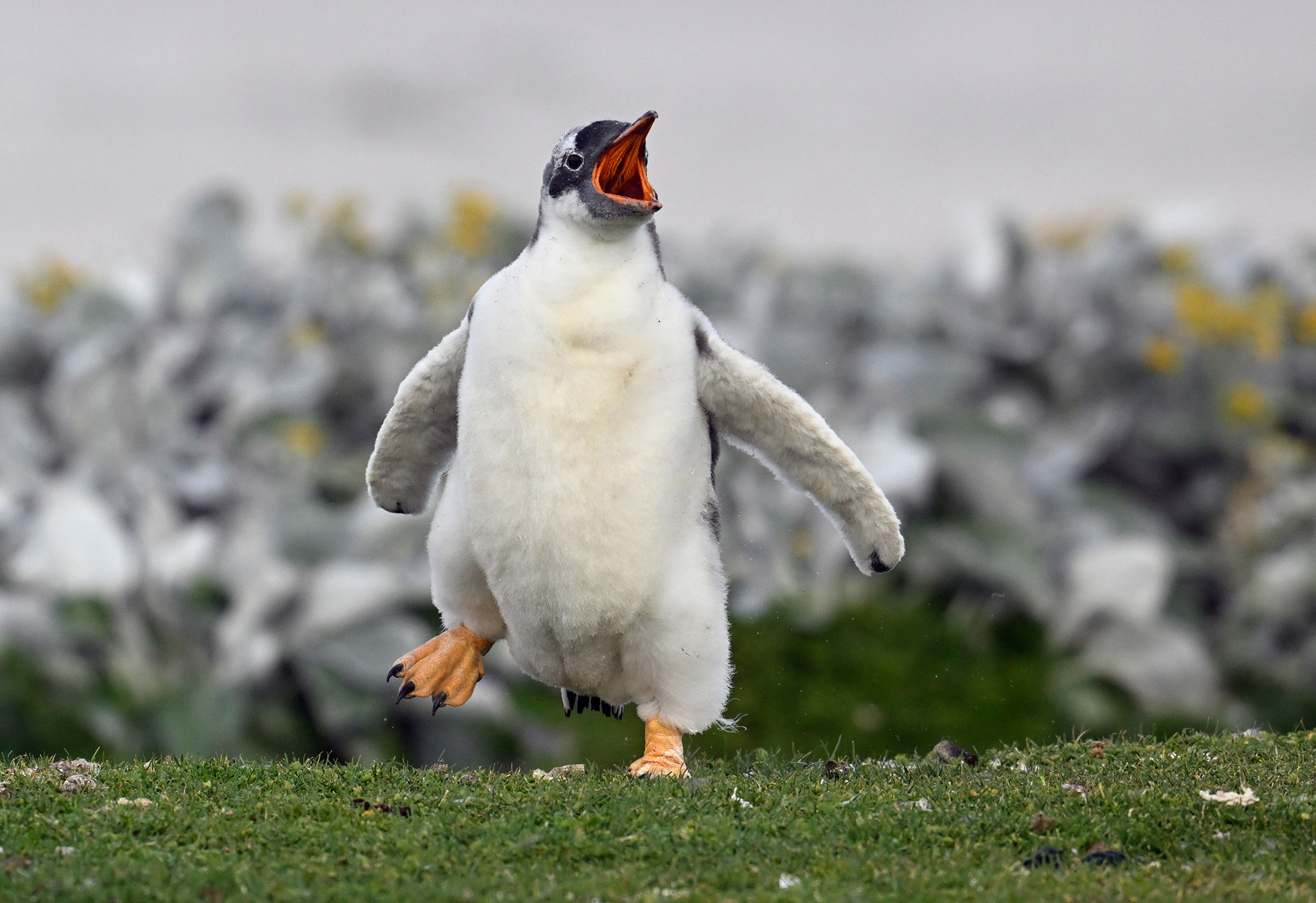
Another 2 sessions were spent at “The Neck,” a wide sandy area with beaches on each side, and home to all 4 penguin species plus others. We especially enjoyed watching the fluffy gentoo chicks running after their parents, begging for food, even in the surf. The parents didn’t respond well to such aggressive behavior, often pecking their young to back off. The hungry chicks wouldn’t stop begging and were eventually blessed with a meal of regurgitated seafood. The Neck also provides a great spot to watch the southern rockhoppers bursting out of the surf to land on the rocks and begin their ascent to the colony up on the cliff. There’s a very good reason why they are named rockhopper penguins!
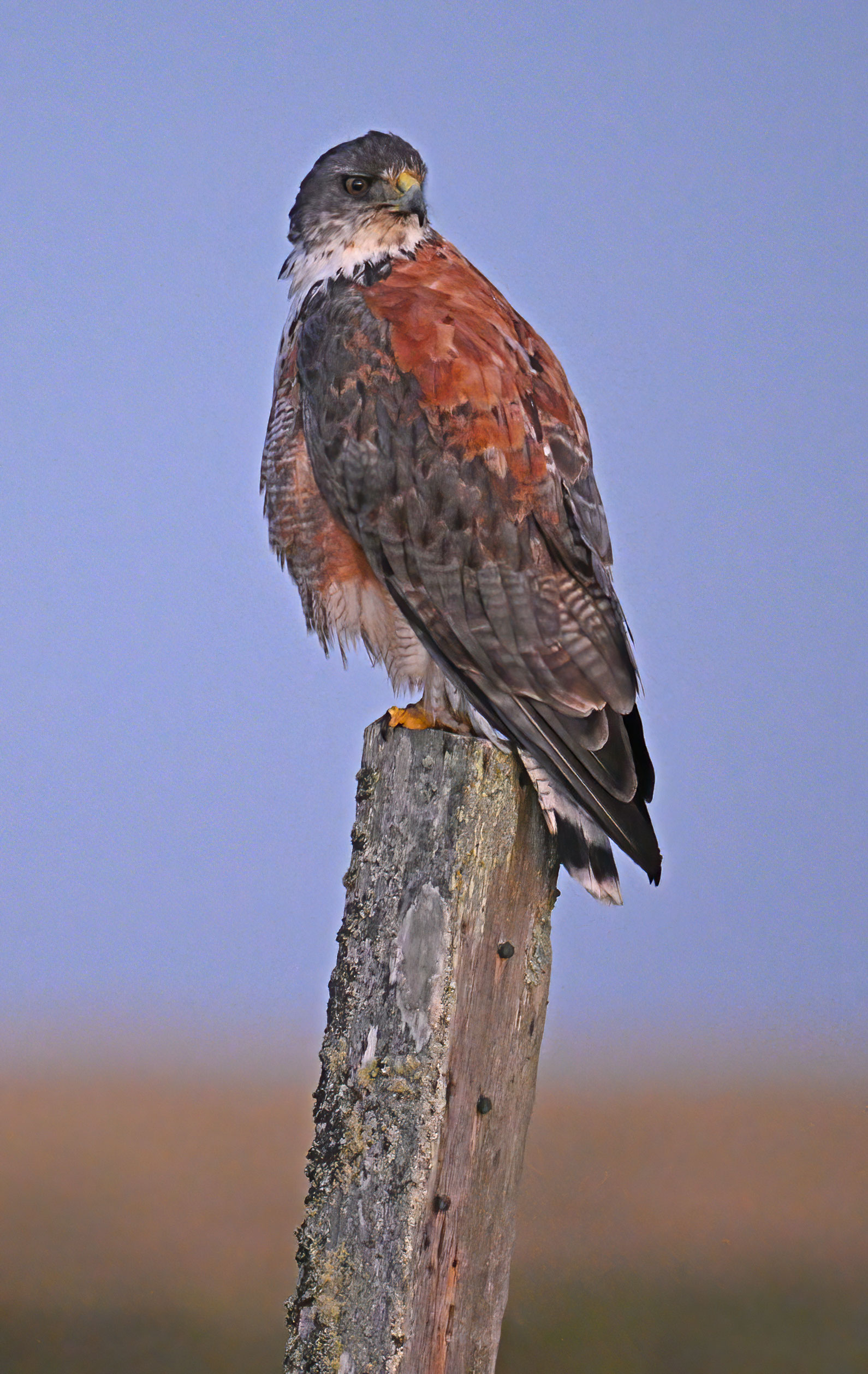
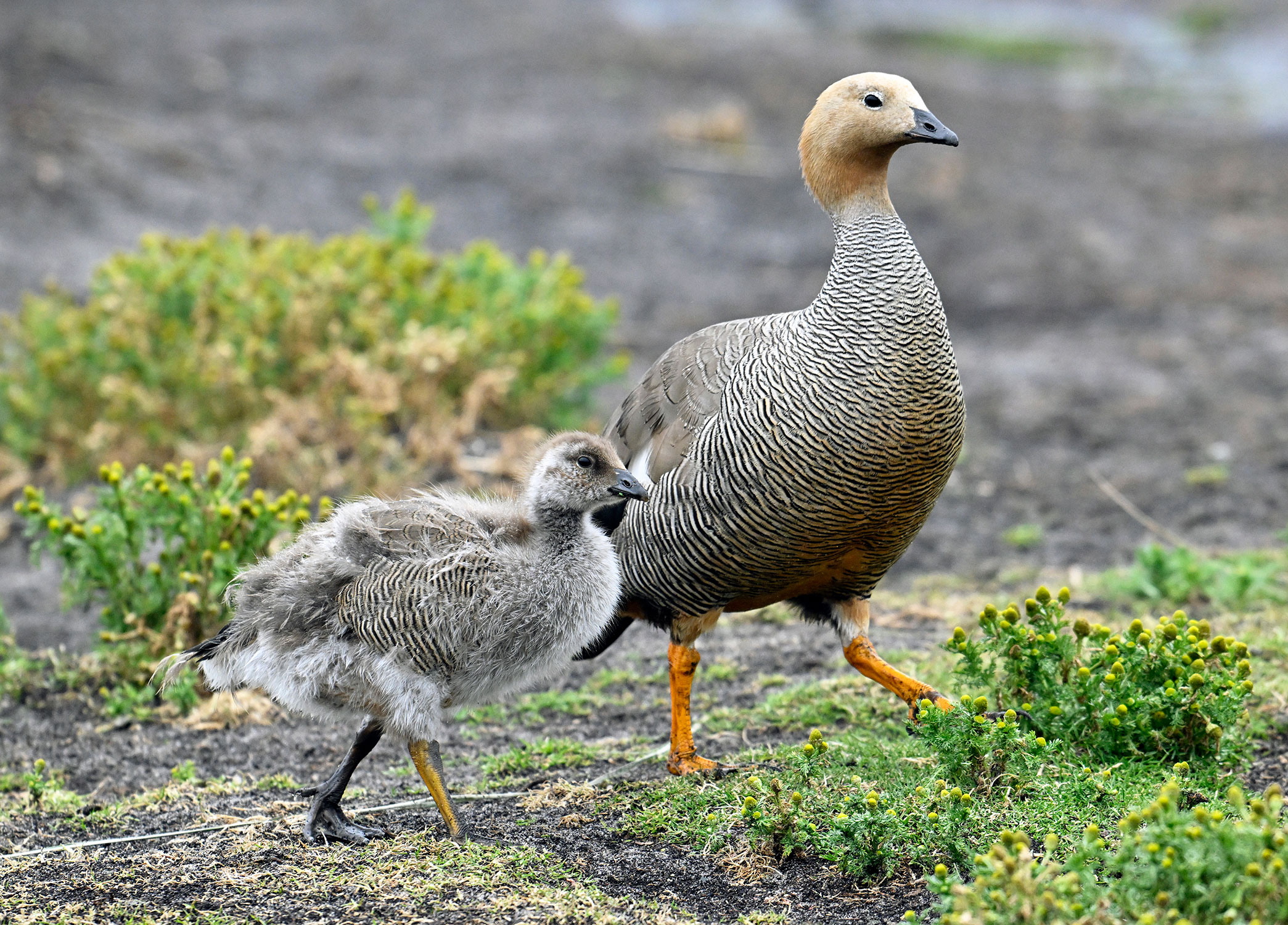
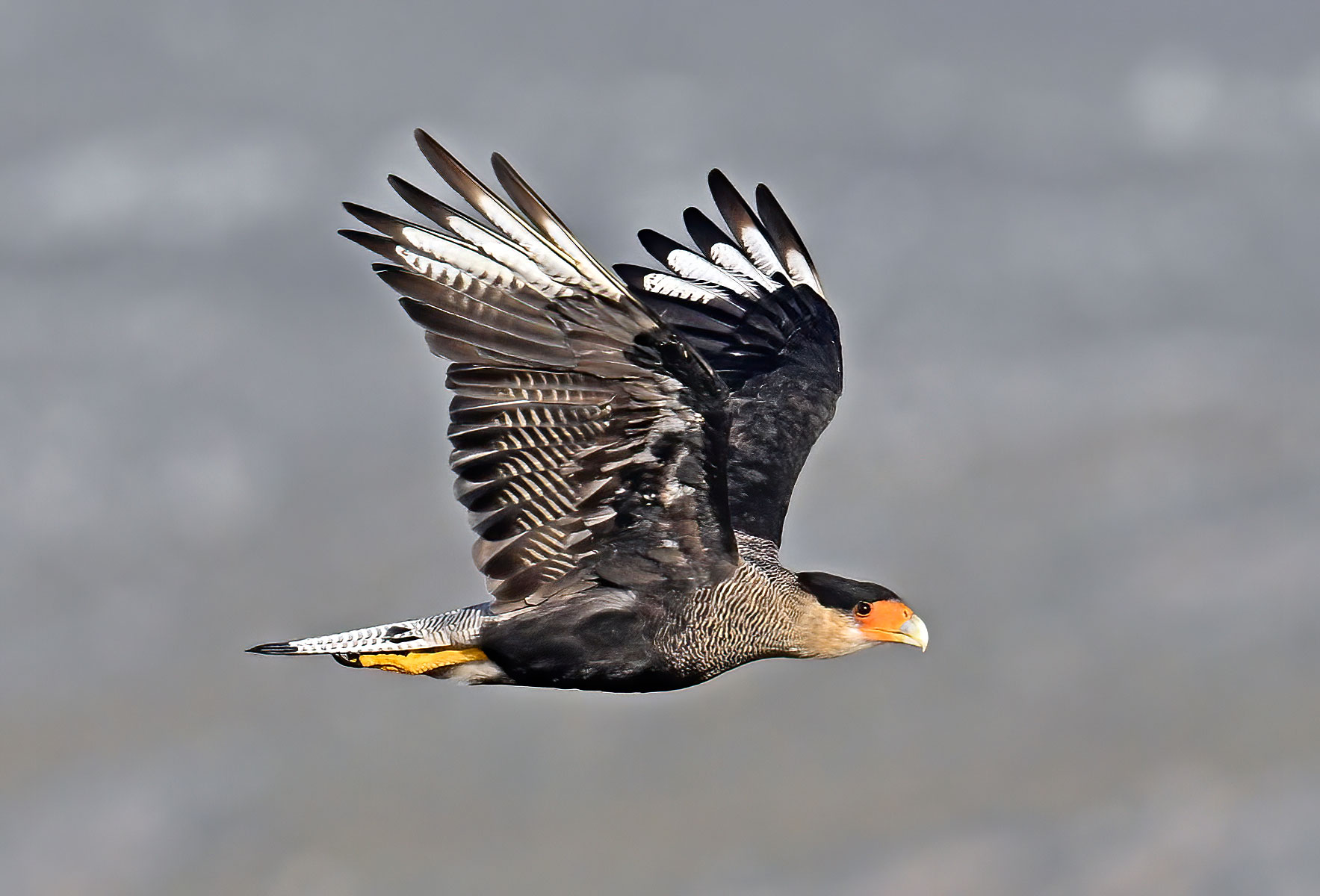
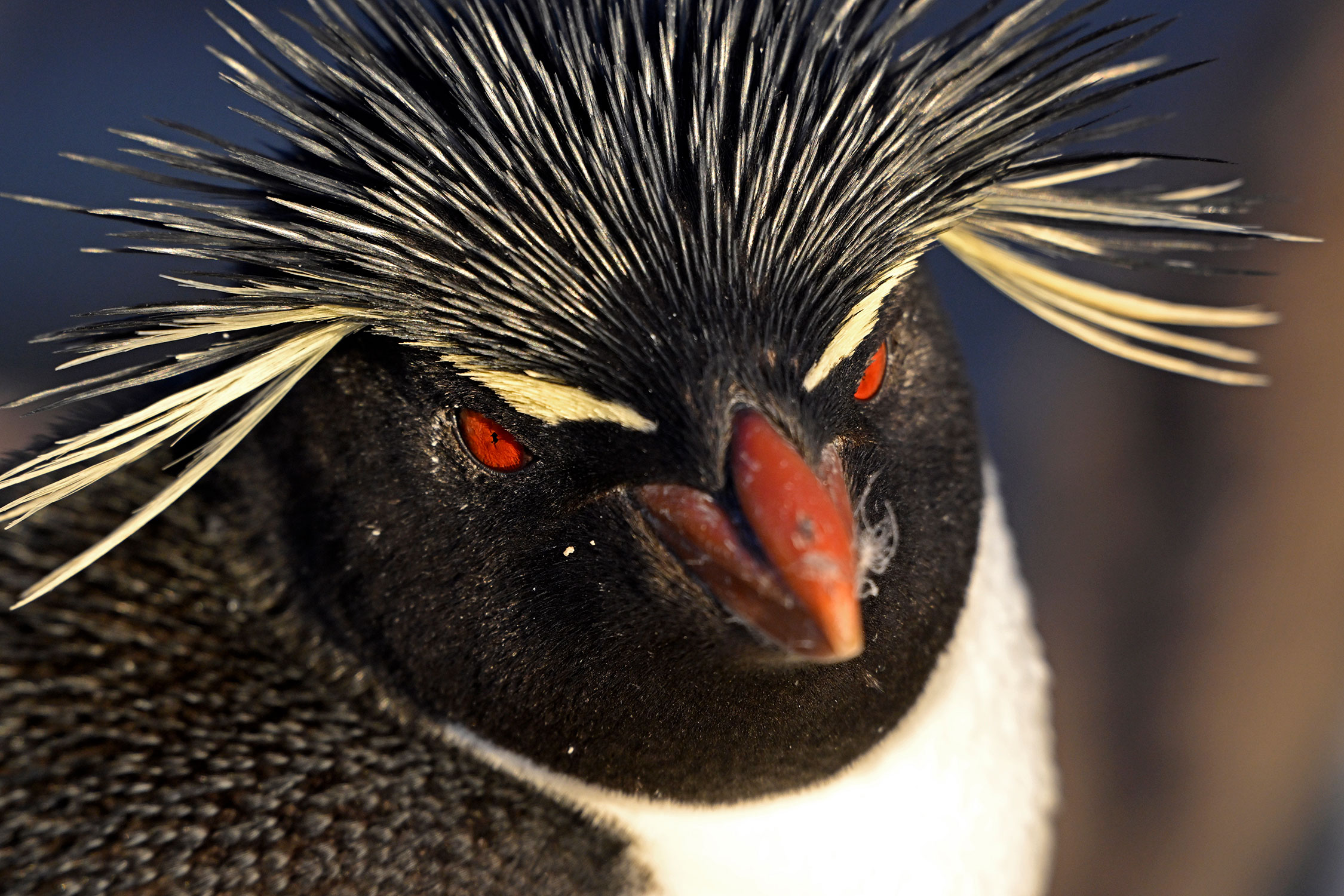
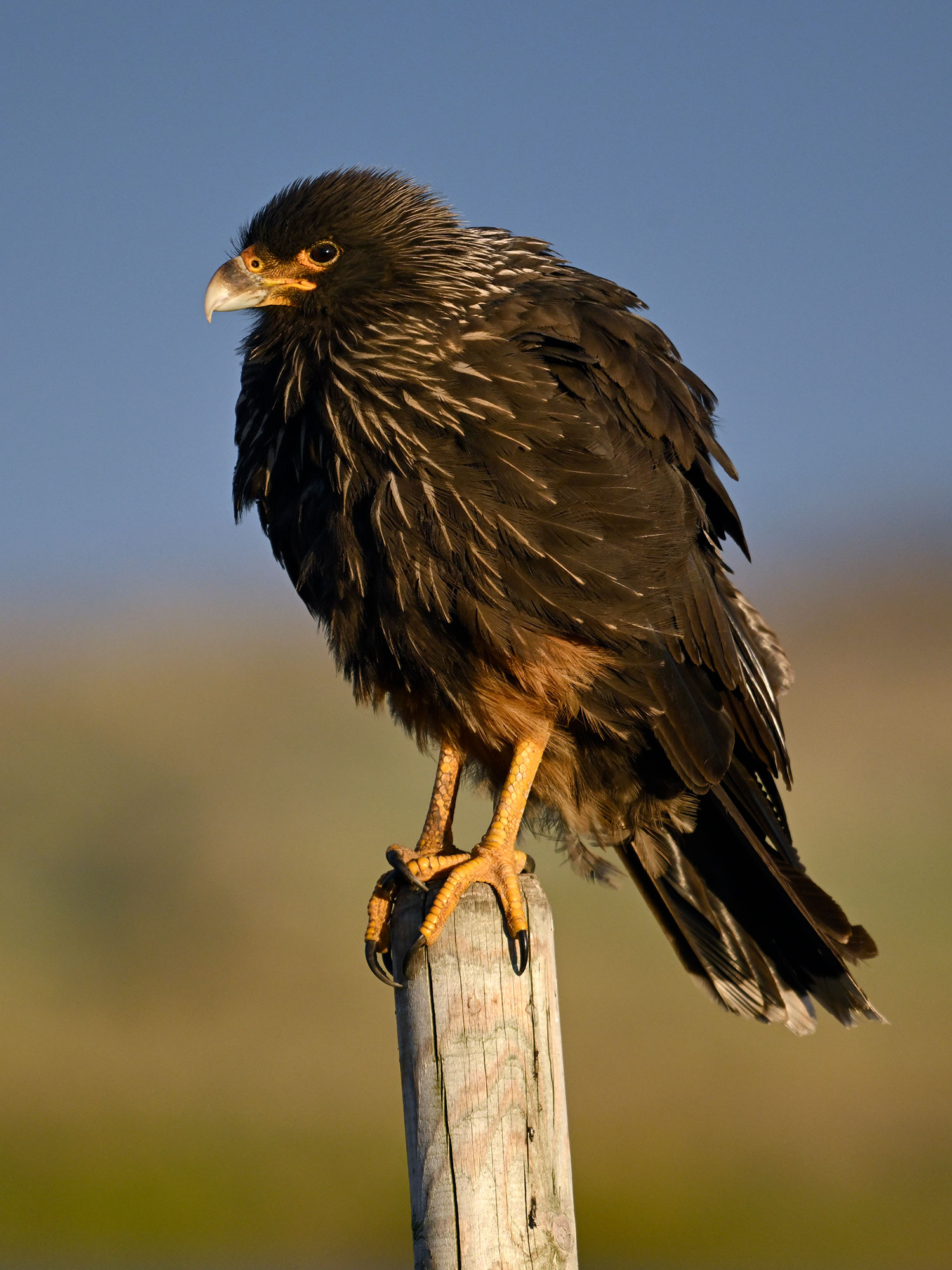
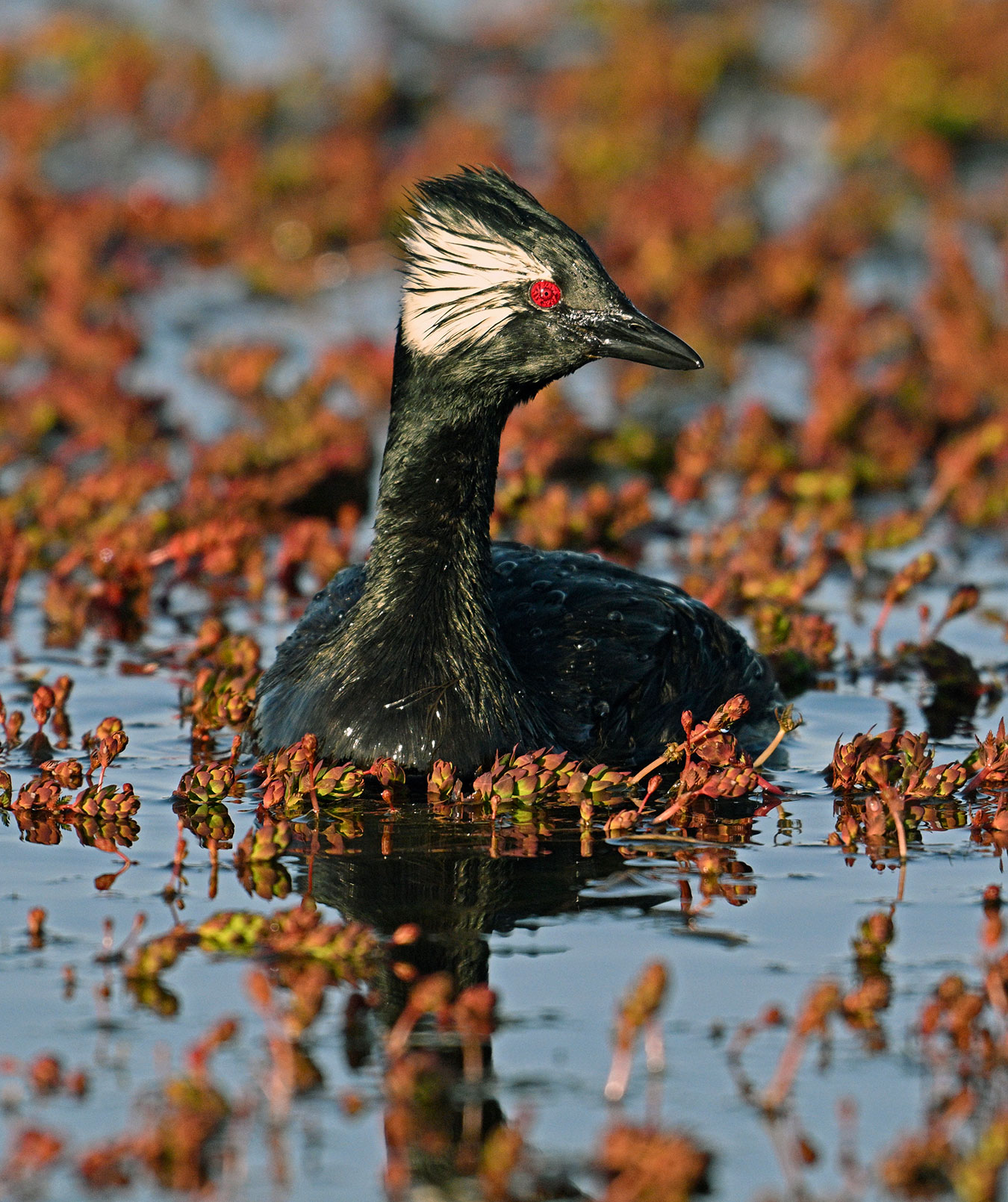
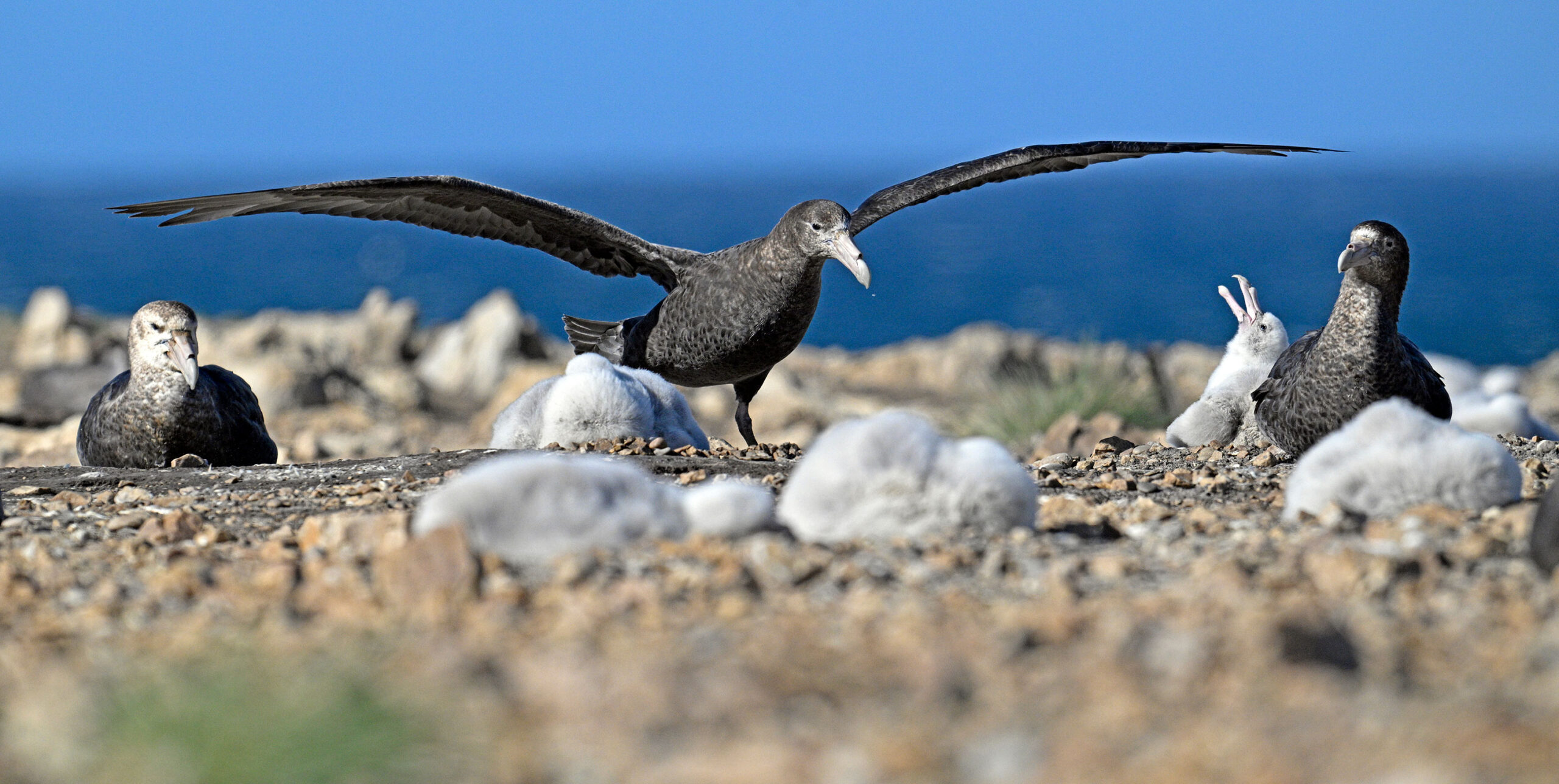
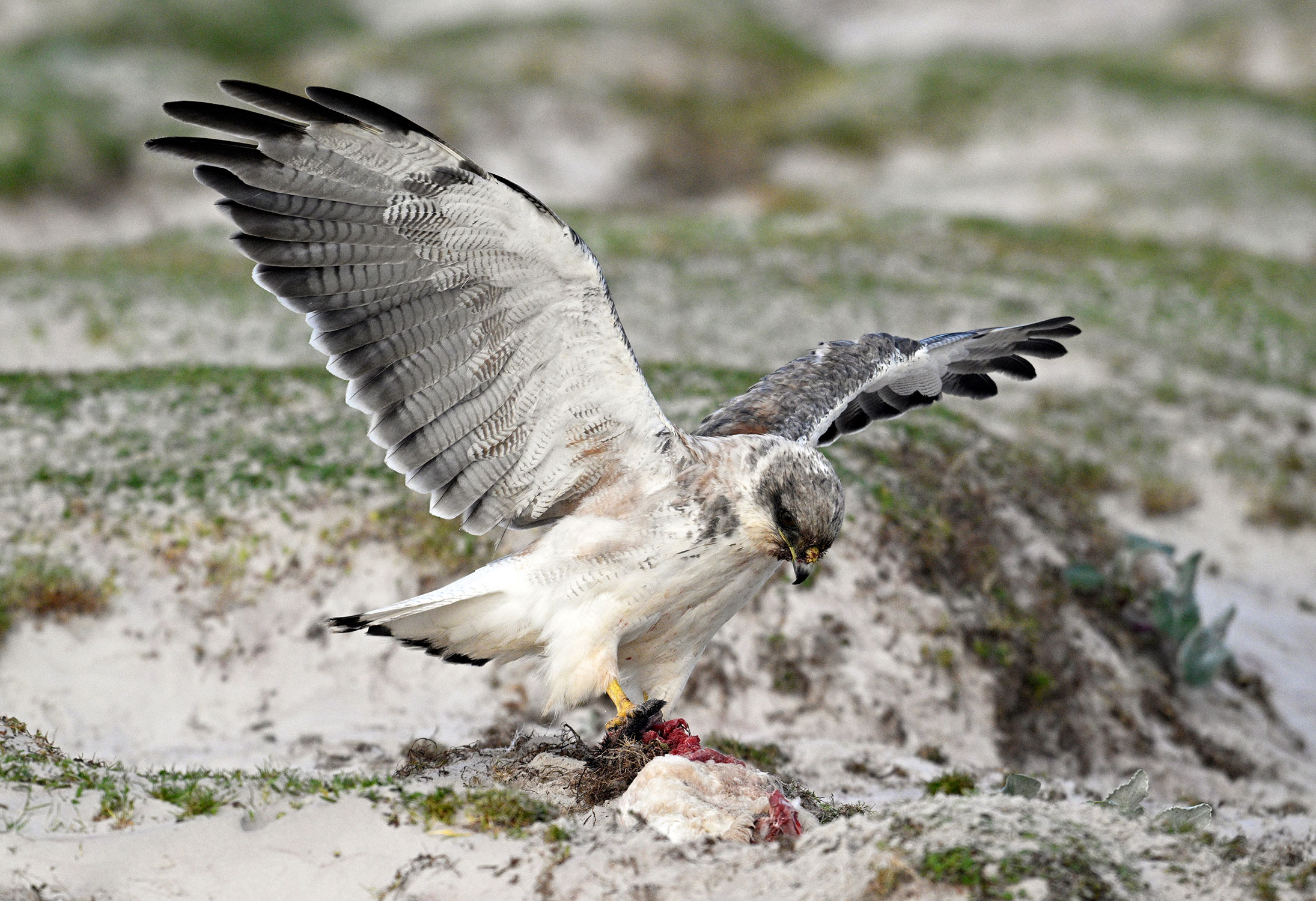
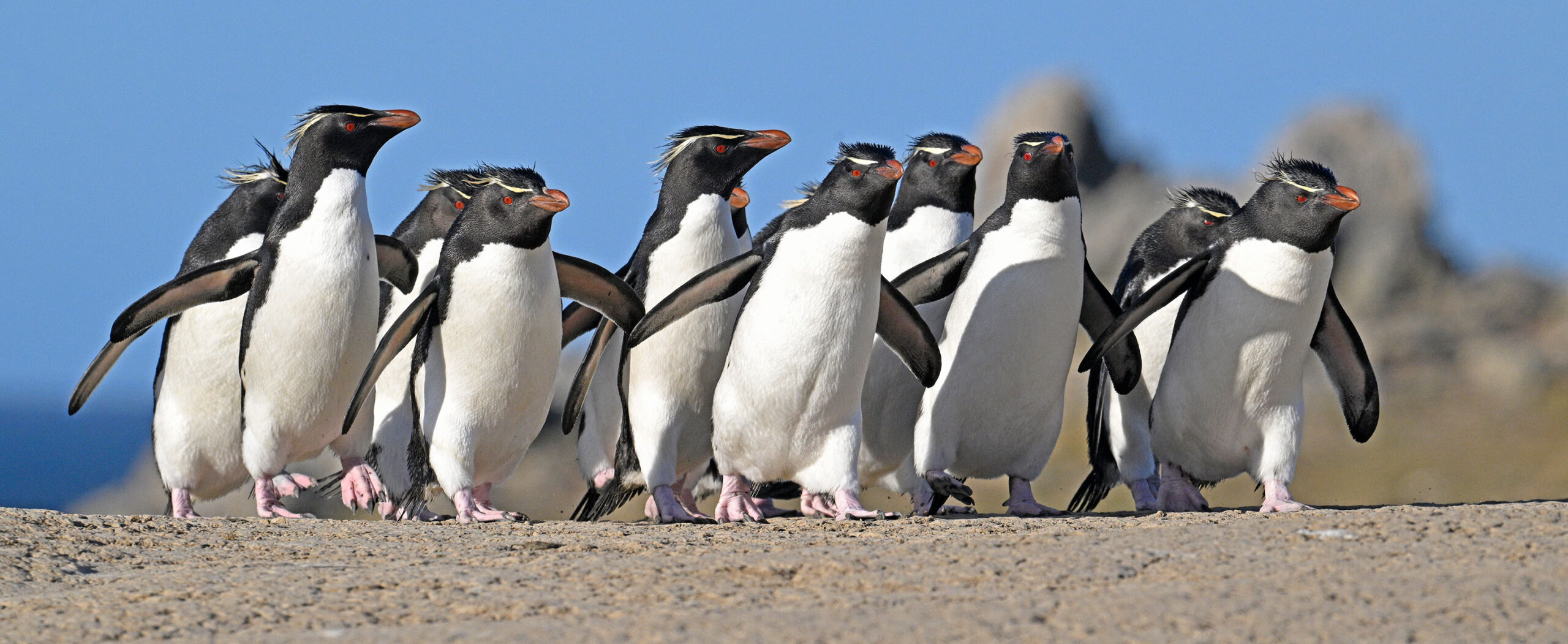
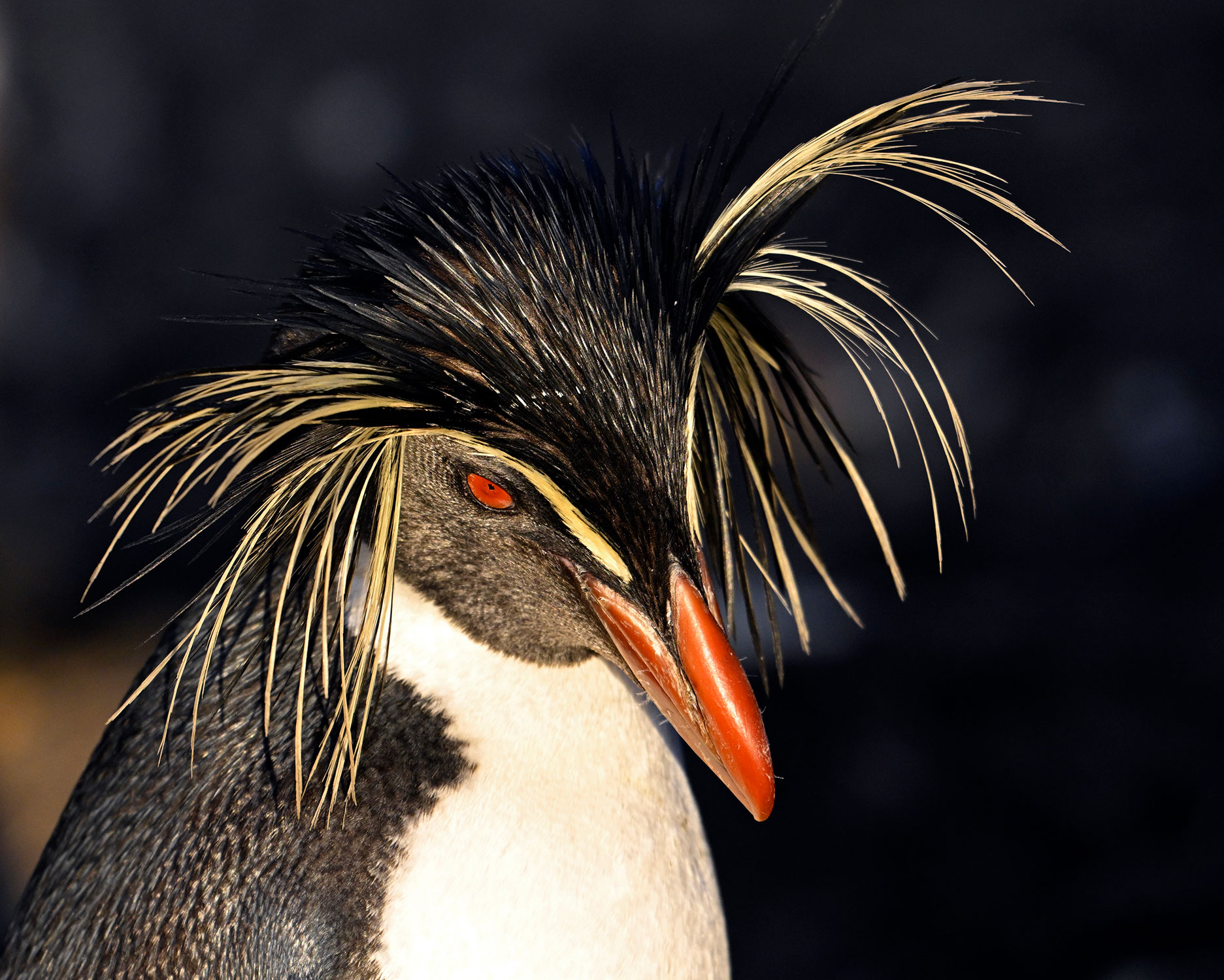
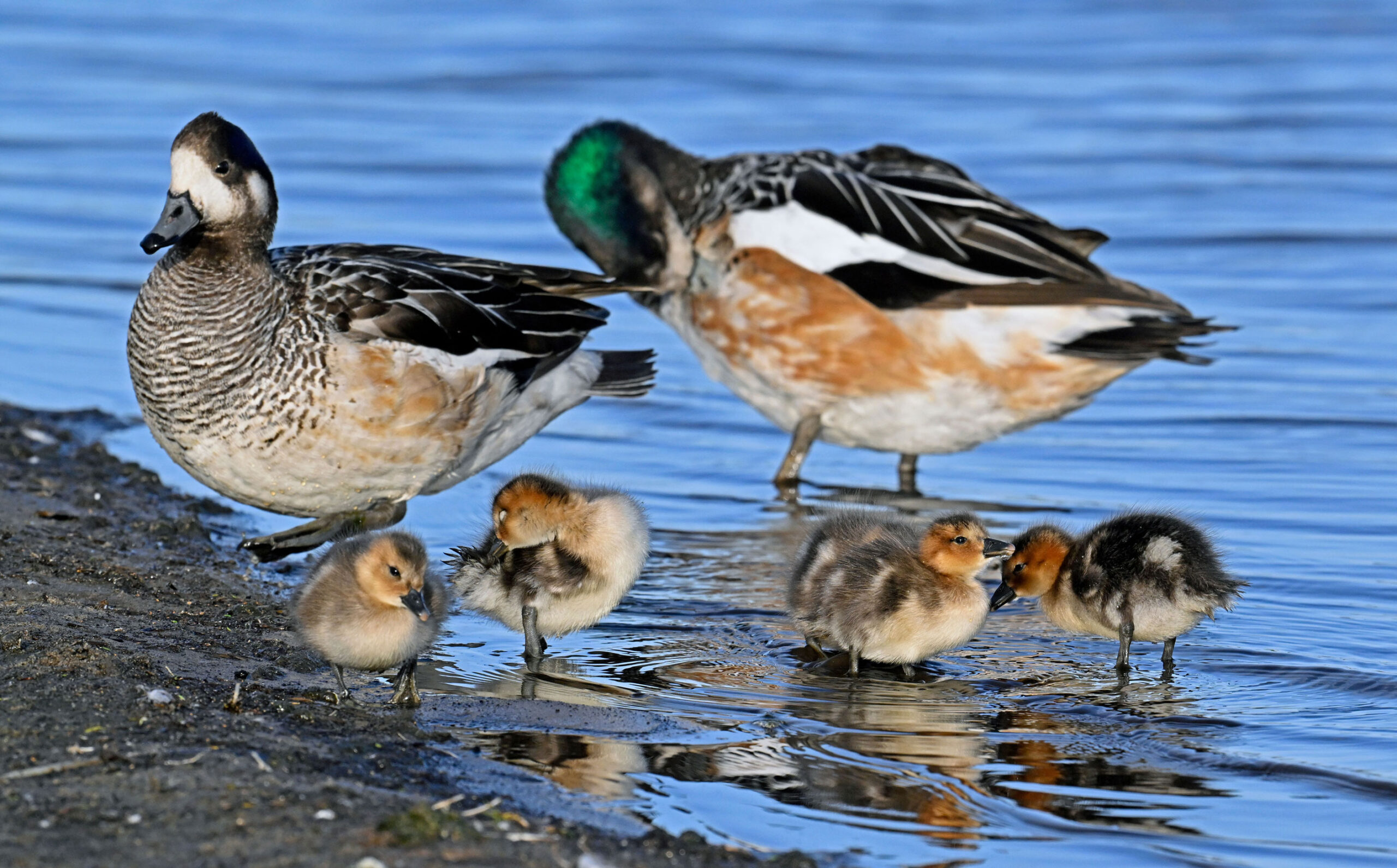
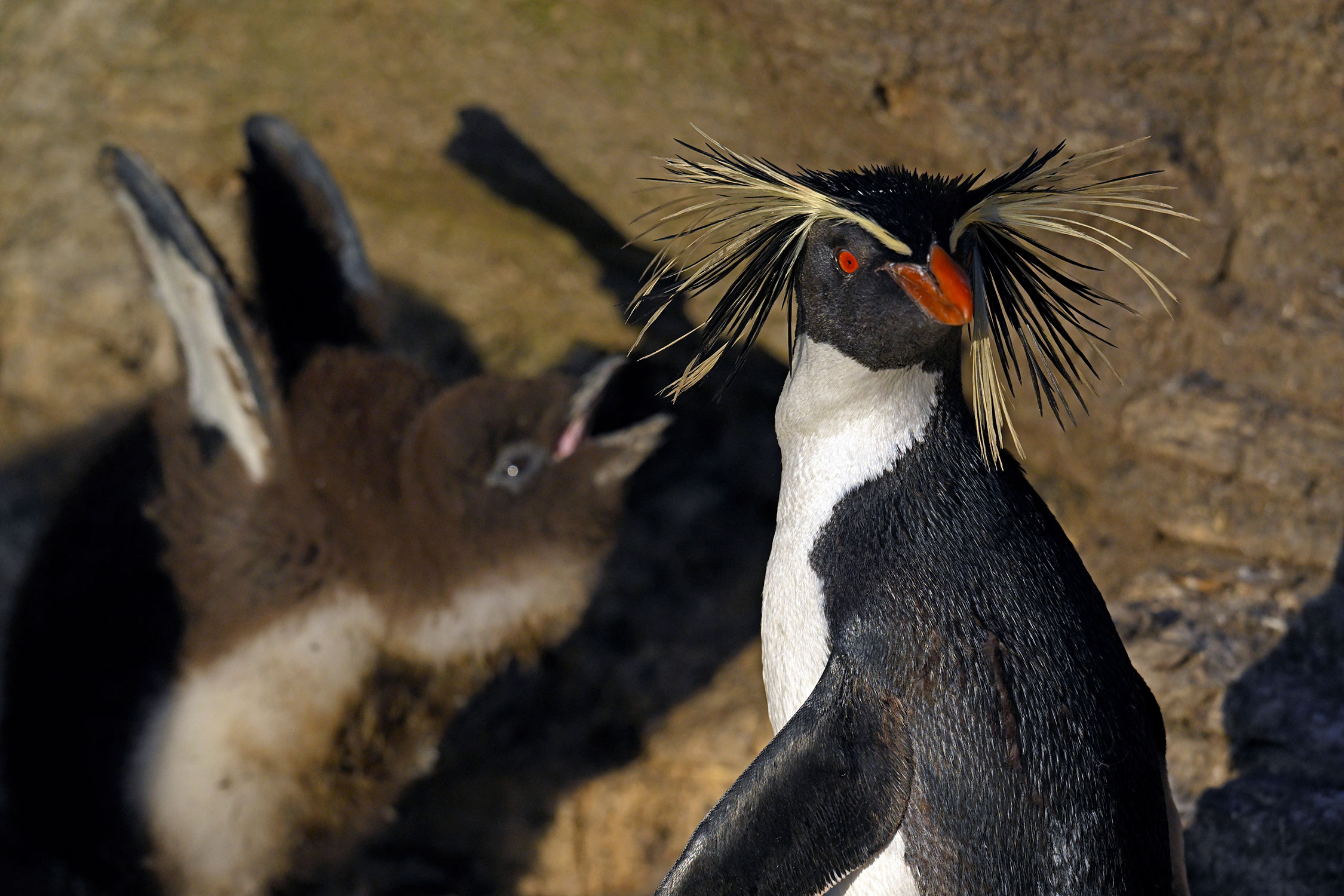
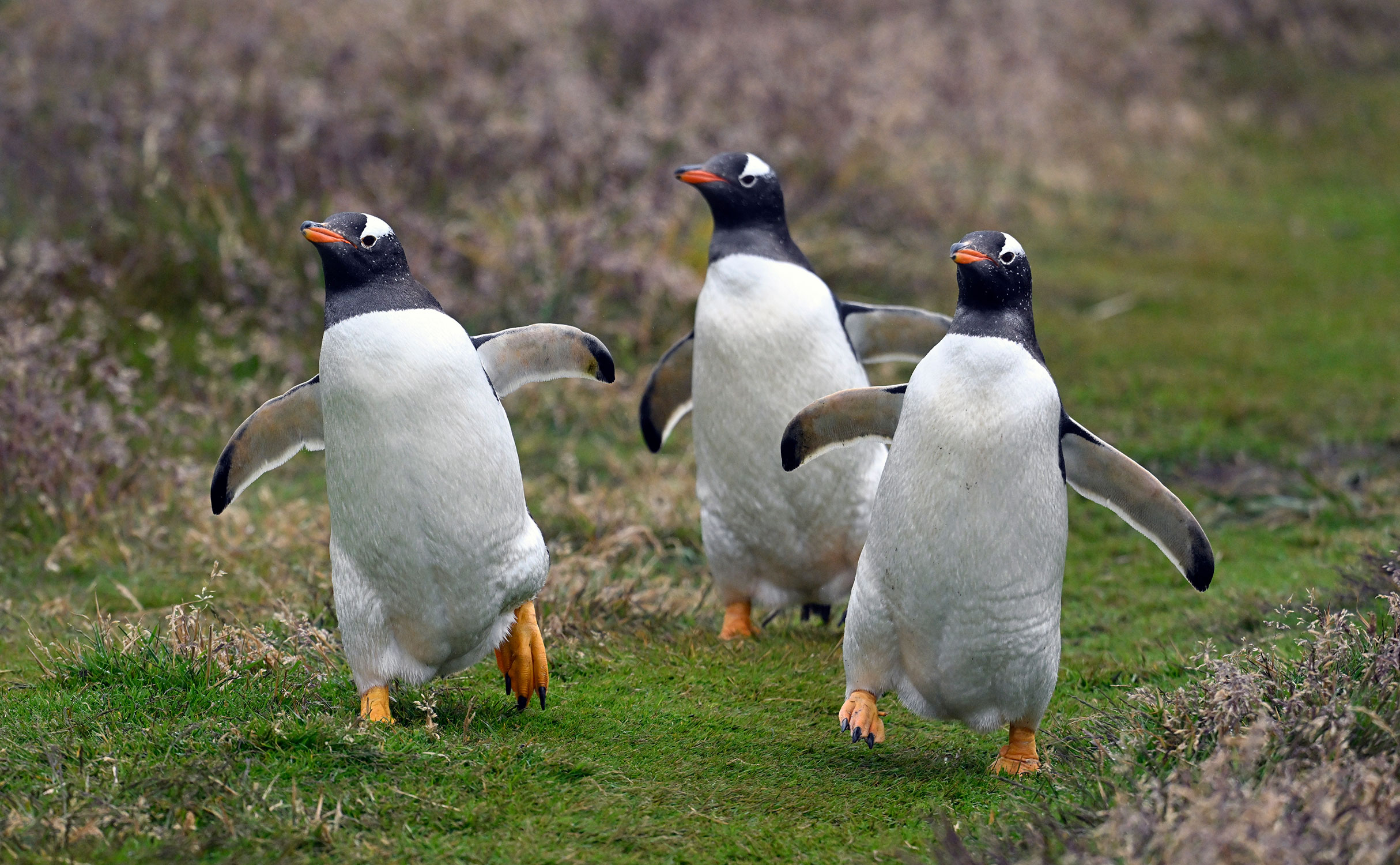
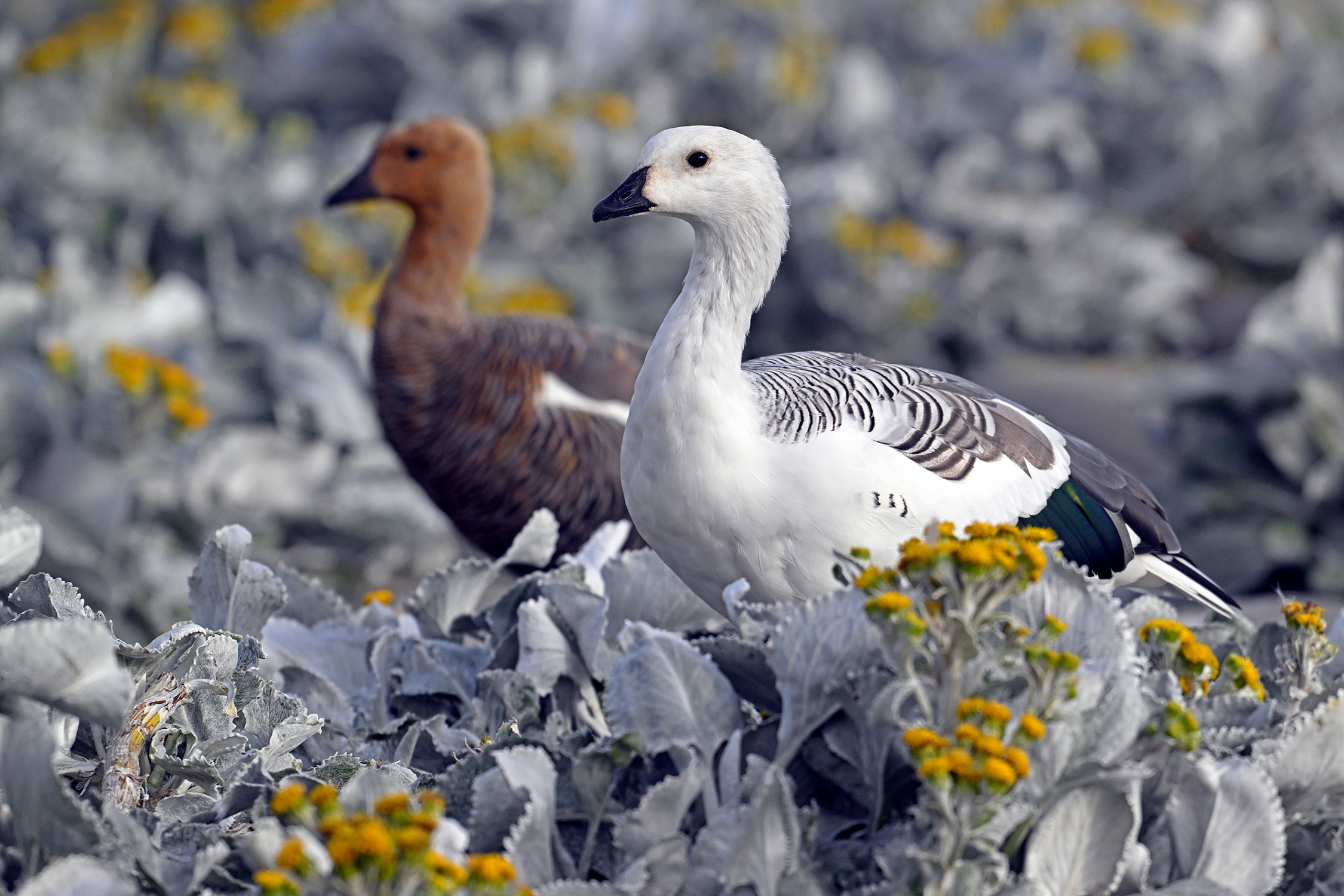
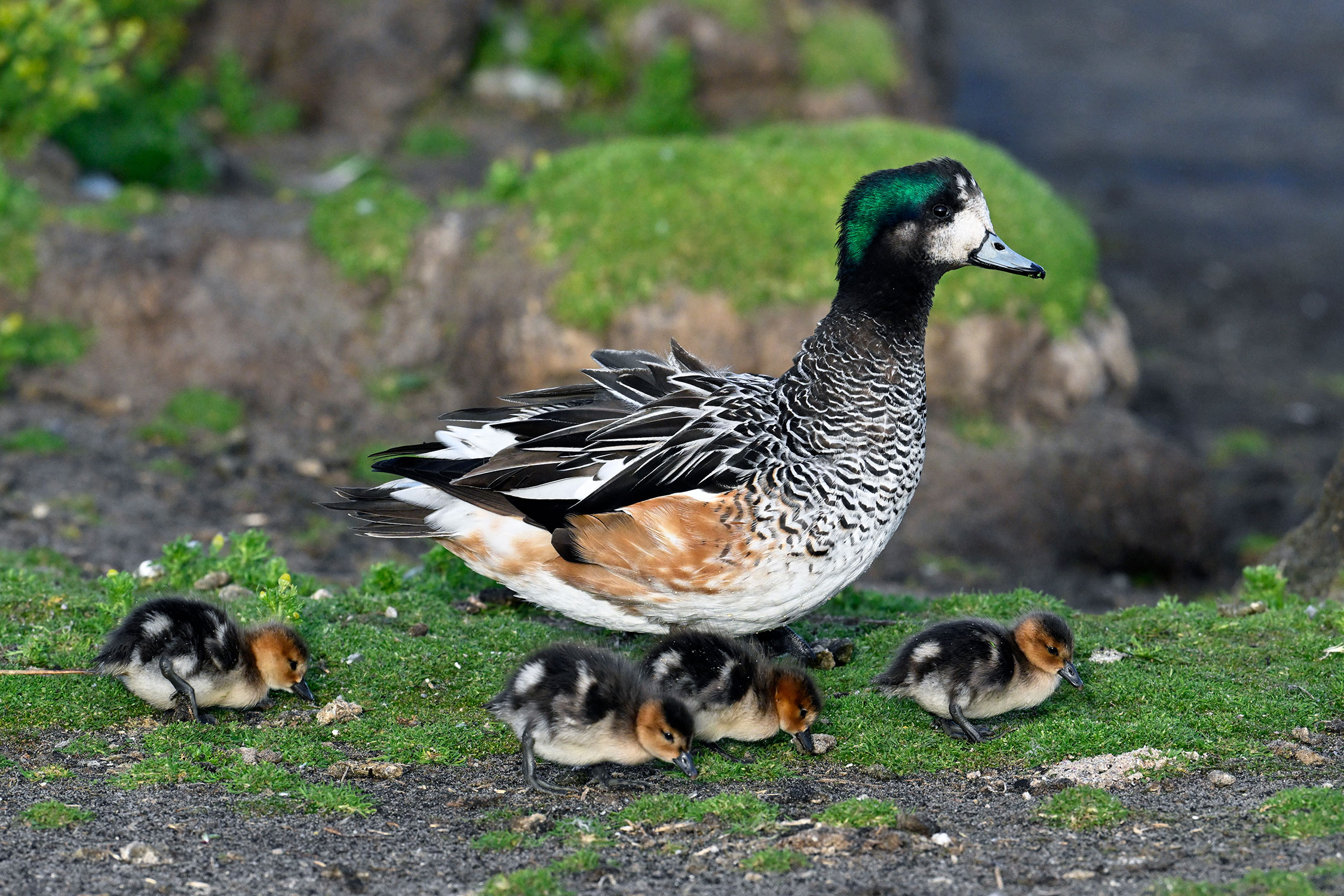
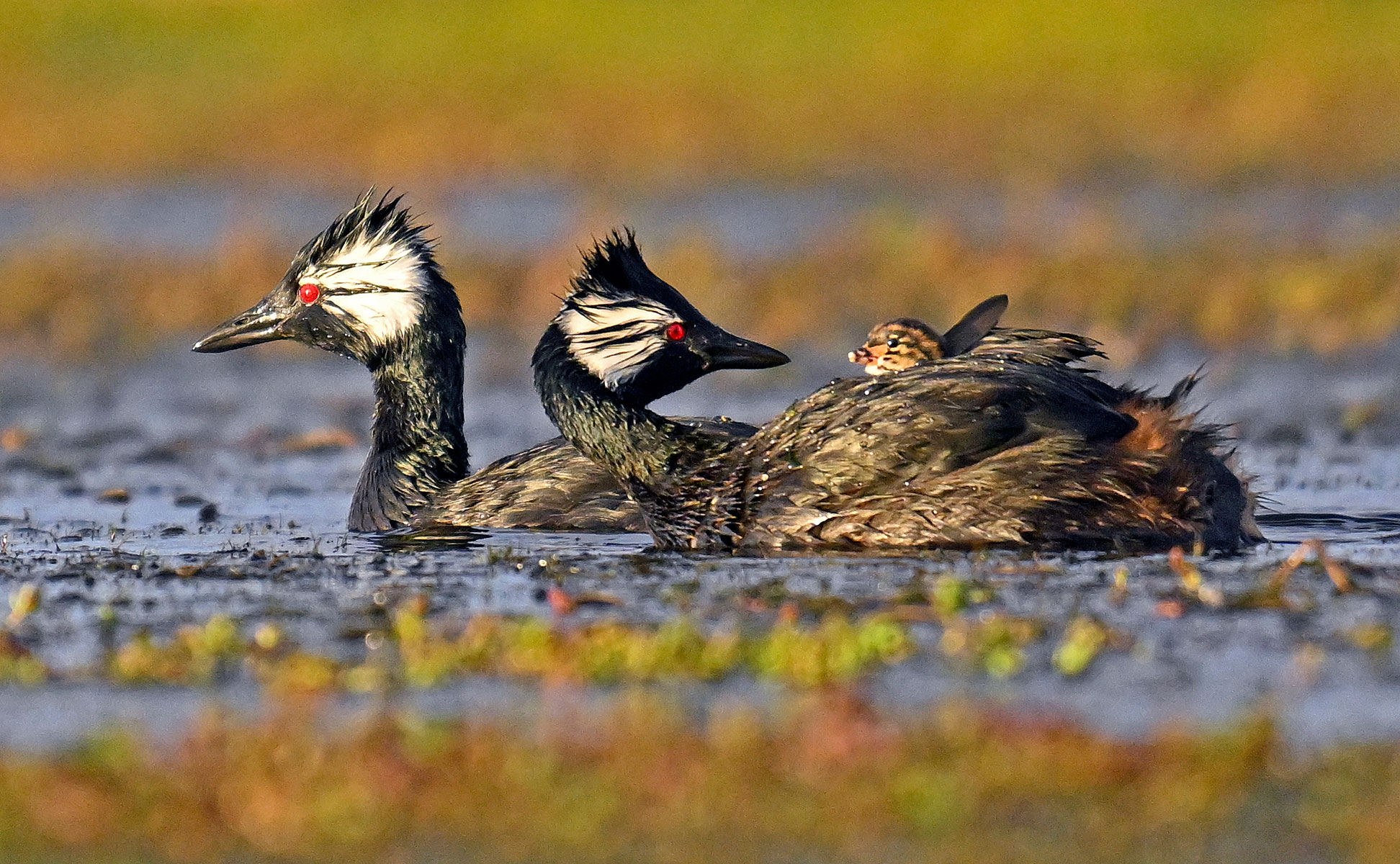
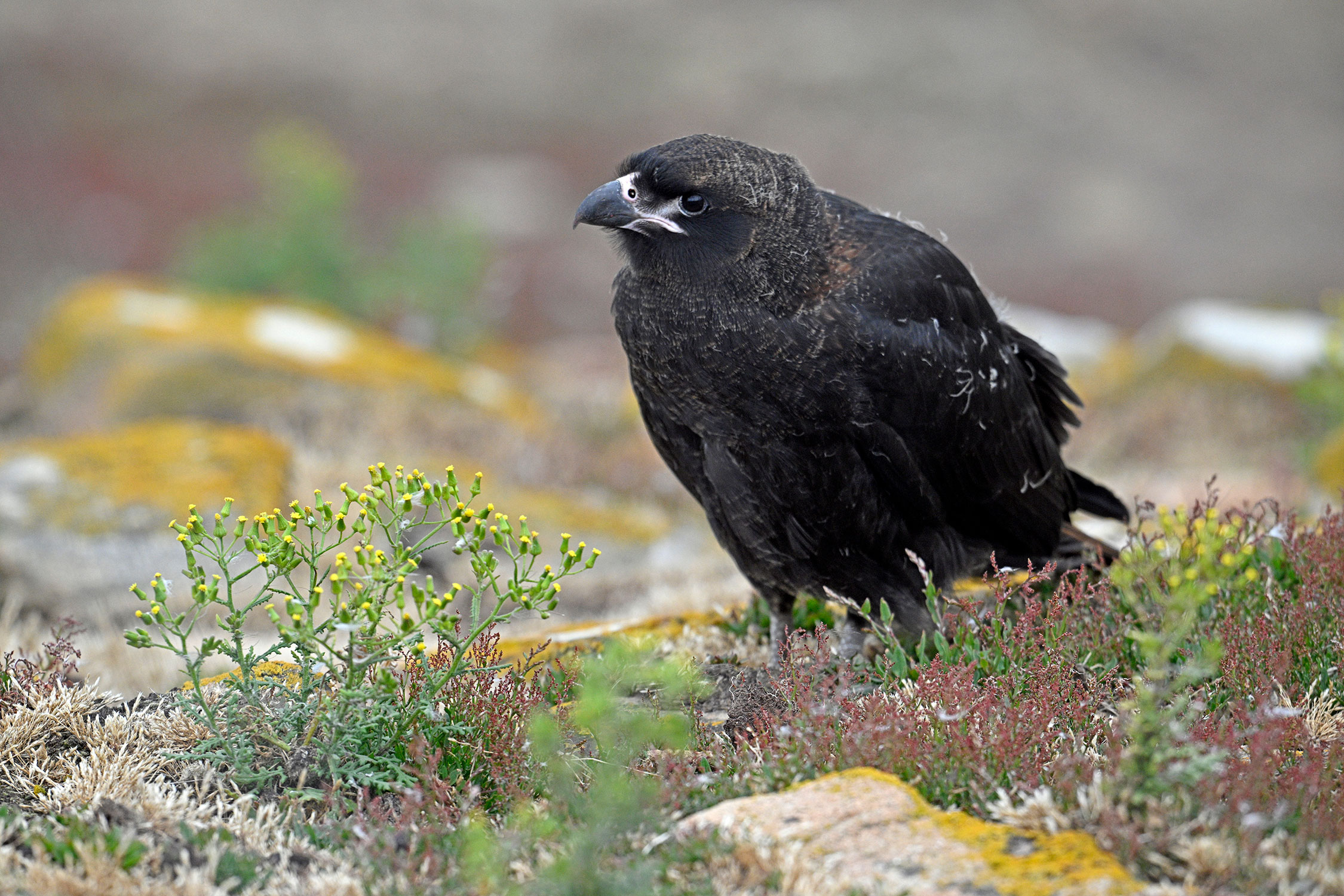
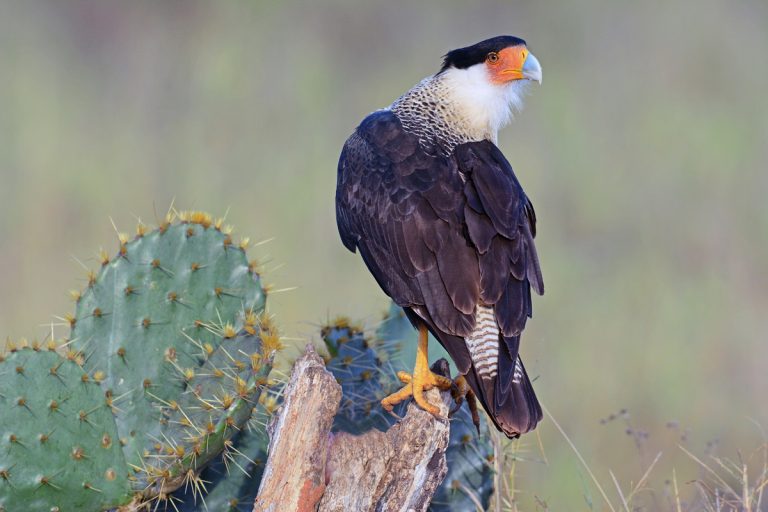
Every location had its own special opportunities that Nikhil pointed out, as he has been to the Falklands several times. Bleaker had a charming northern rockhopper penguin with an impressive hairdo, and I climbed down a small cliff to get eye level with him in nice morning light. Bleaker also had a pair of white-tufted grebes with a tiny chick that offered a quick glimpse before retreating into mom’s warm back. Sea Lion had easily accessible beaches with nesting penguins and a great waterfowl pond with a family of Chiloe wigeon and ruddy-headed geese. Pebble Island had a southern giant petrel colony with white fluffy chicks scattered about and an interesting southern rockhopper colony with a pathway (“the rockhopper highway”) from the shore where small groups of incoming penguins would march in unison to gain access to the colony. Pebble also offered great looks at an adult variable hawk and a crested caracara.
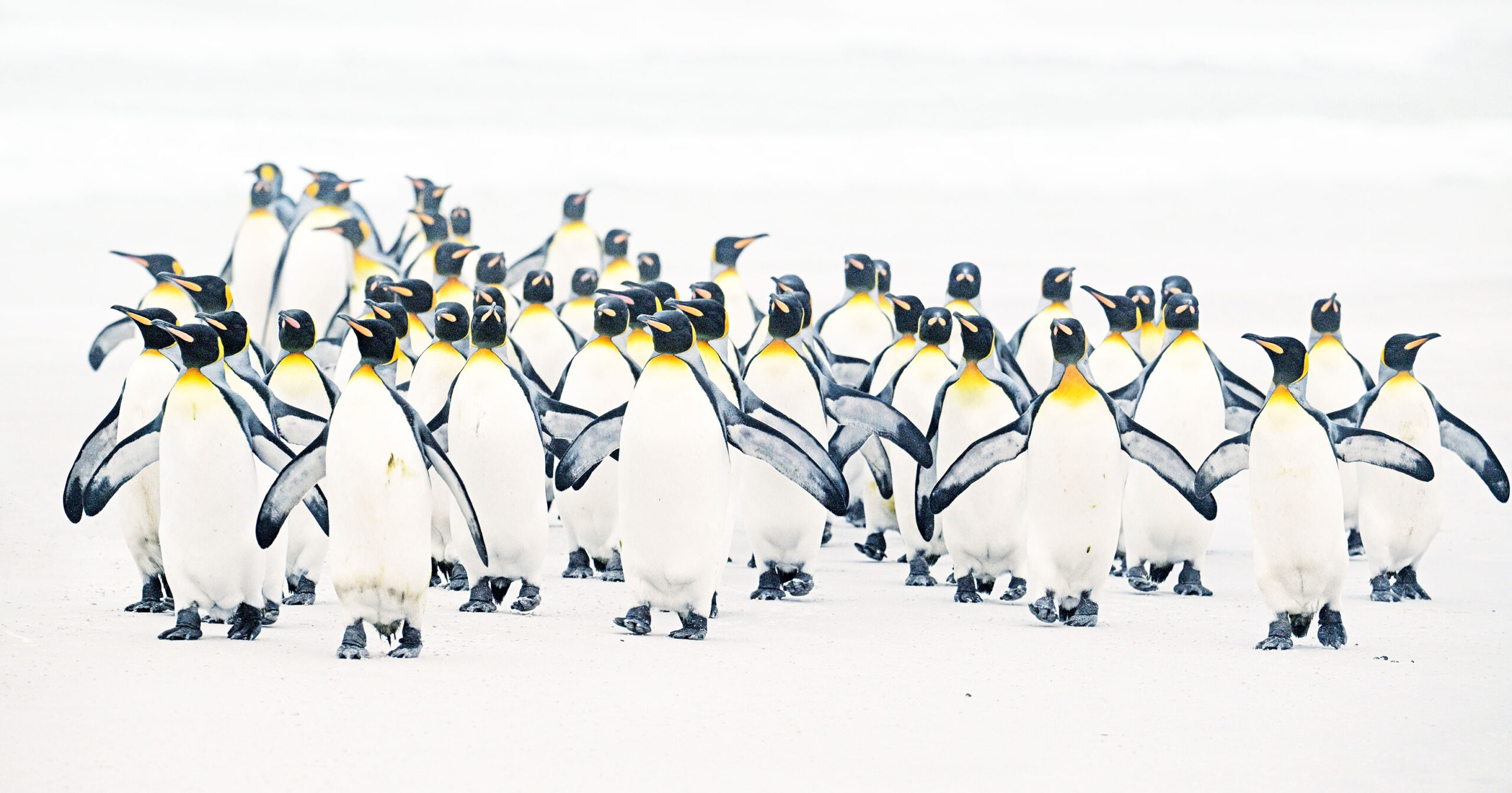
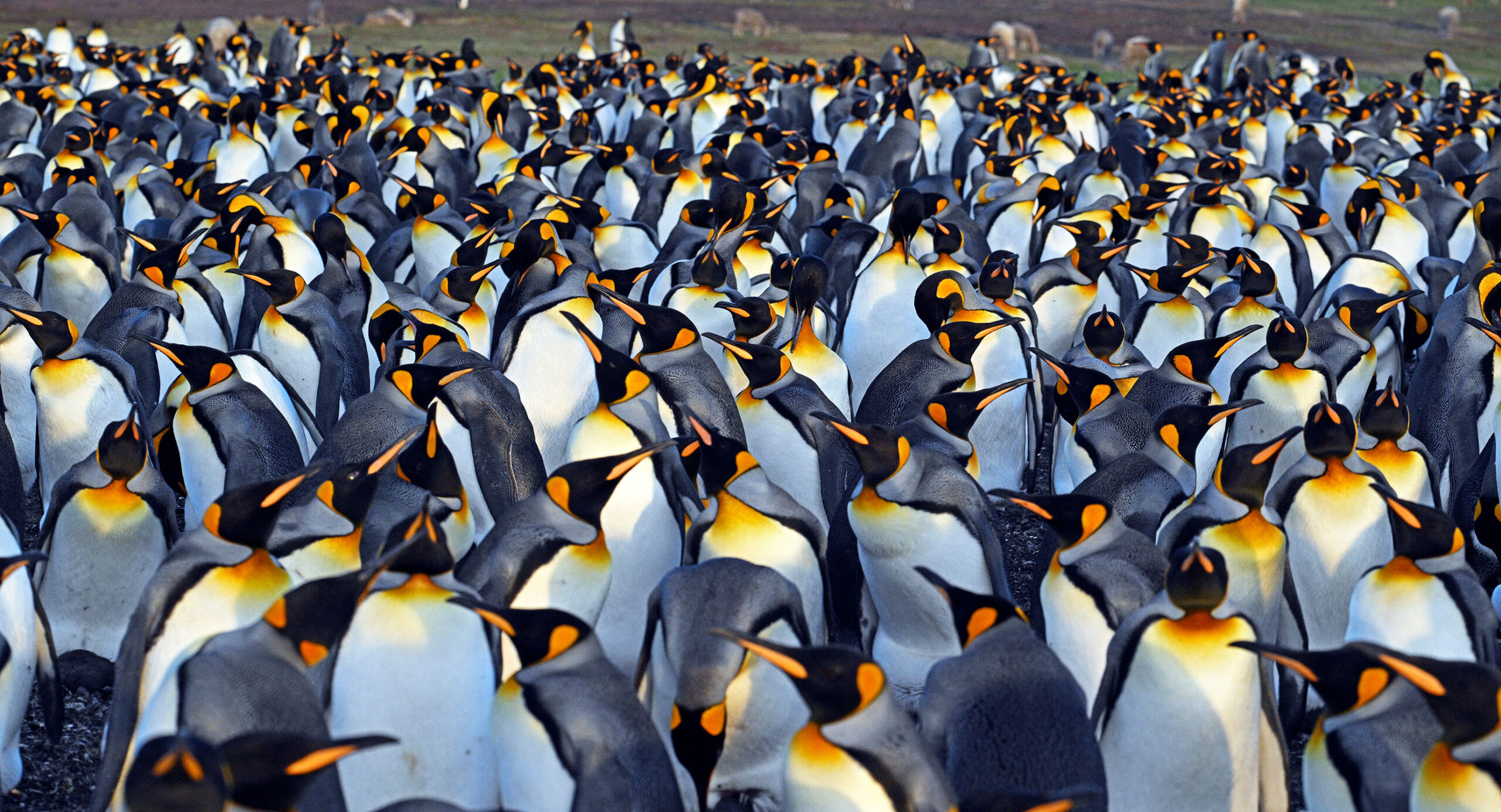
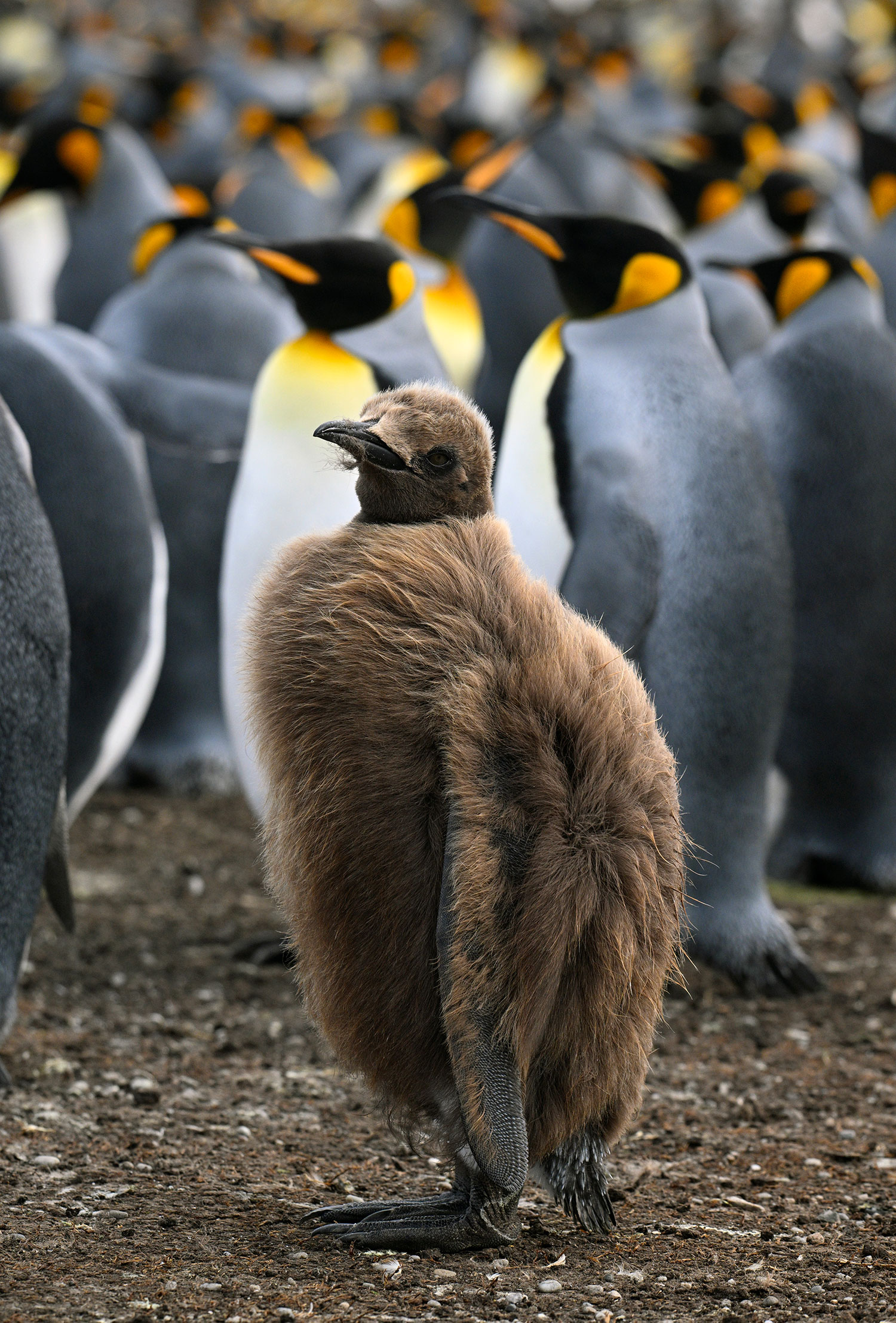
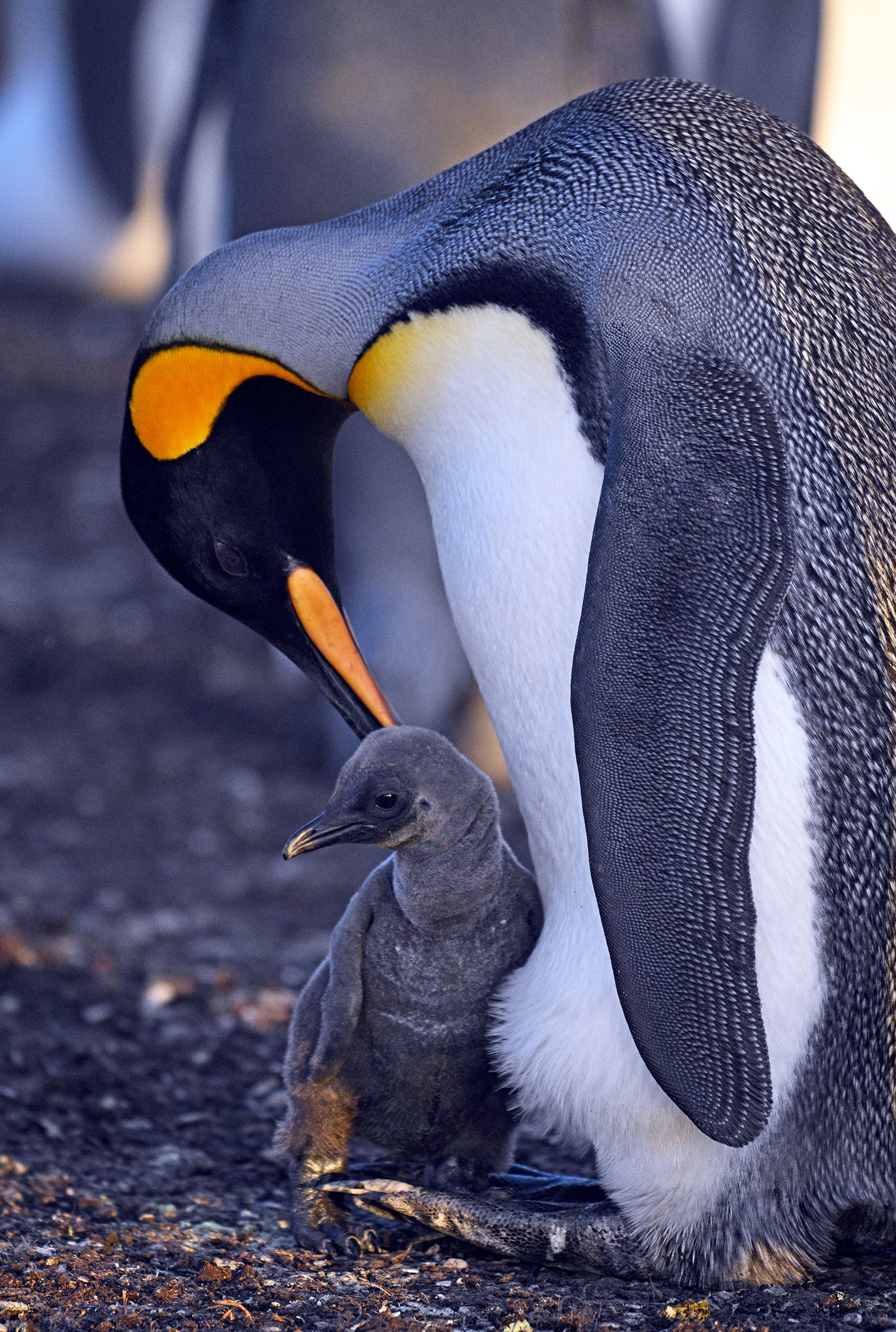
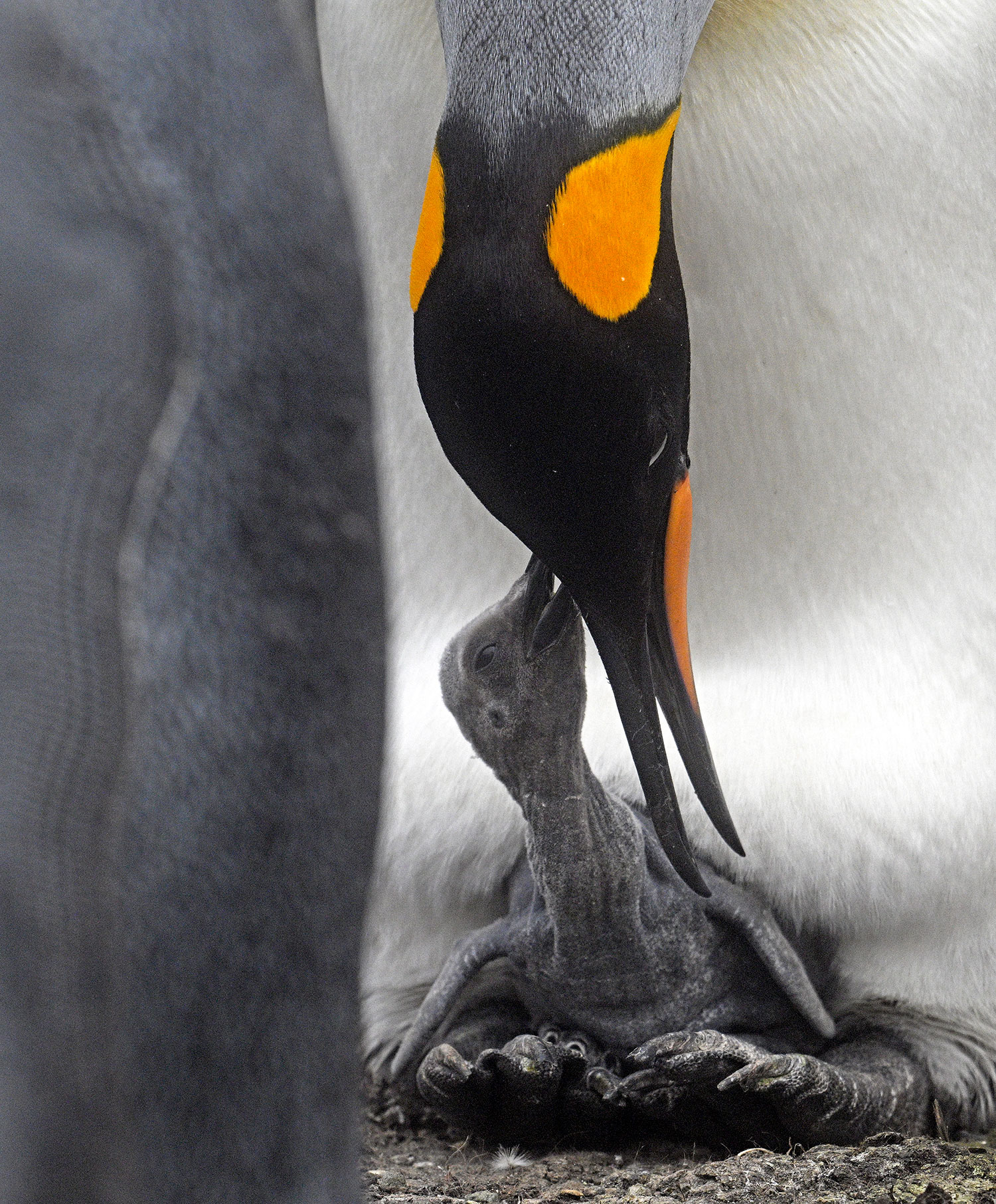
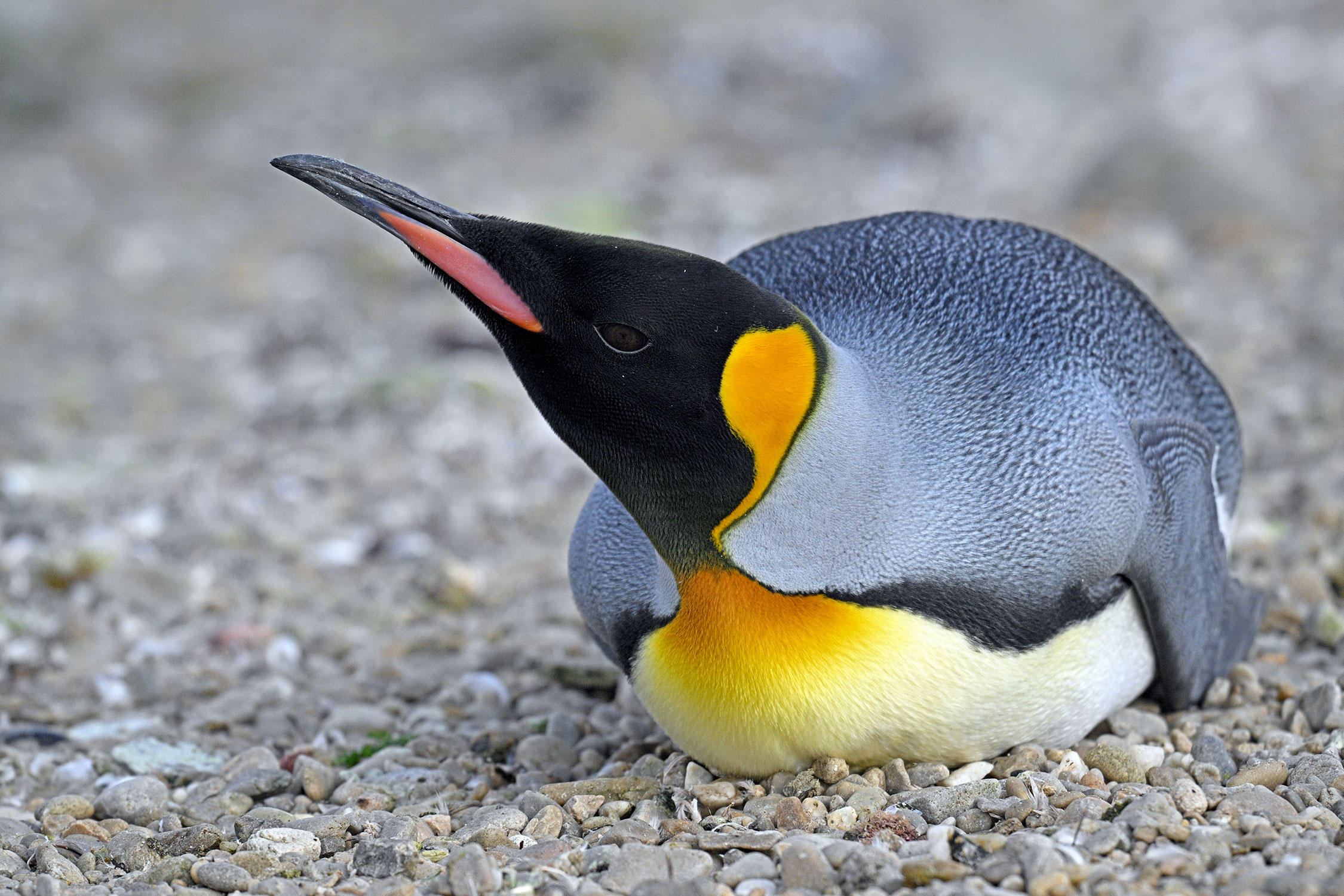
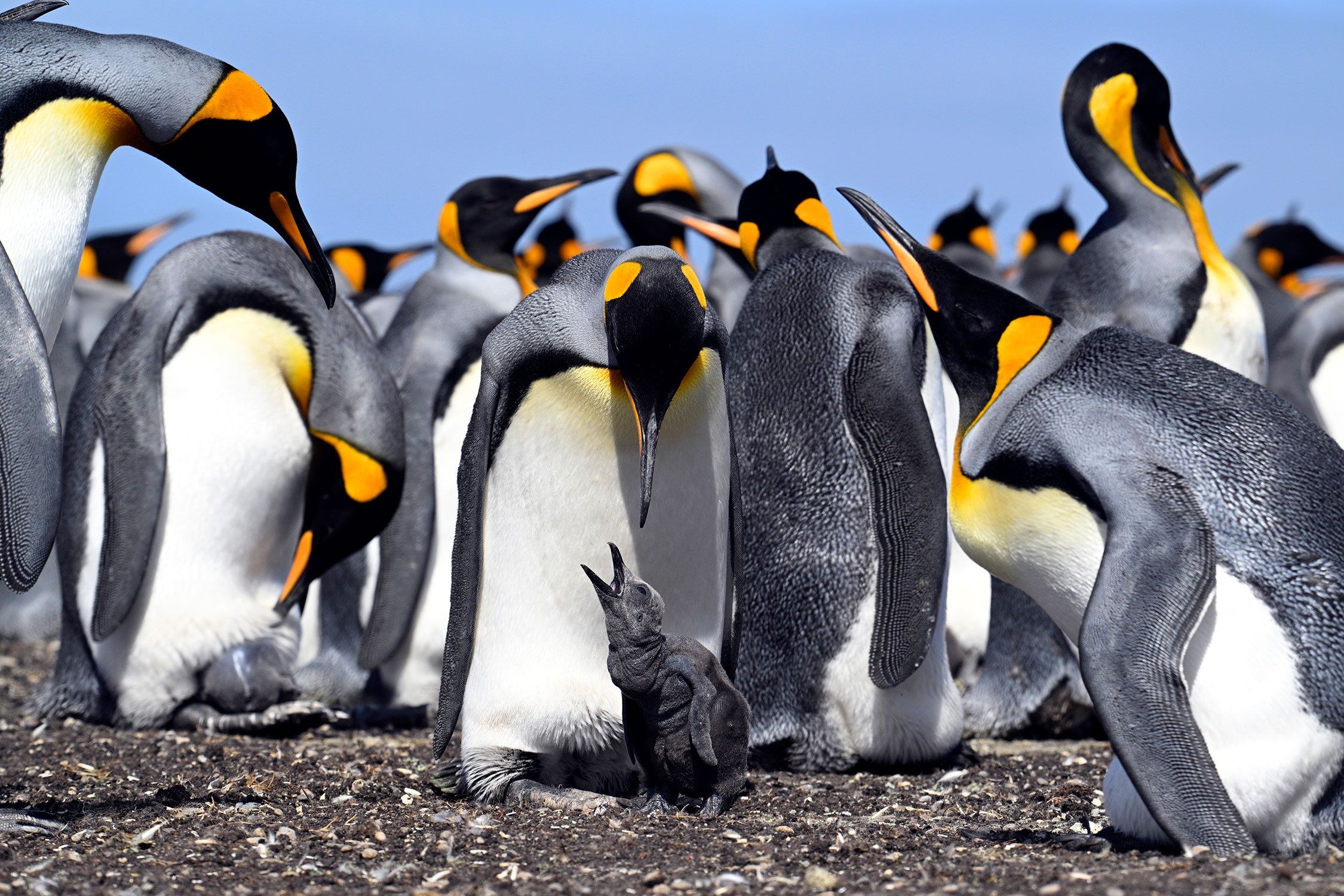
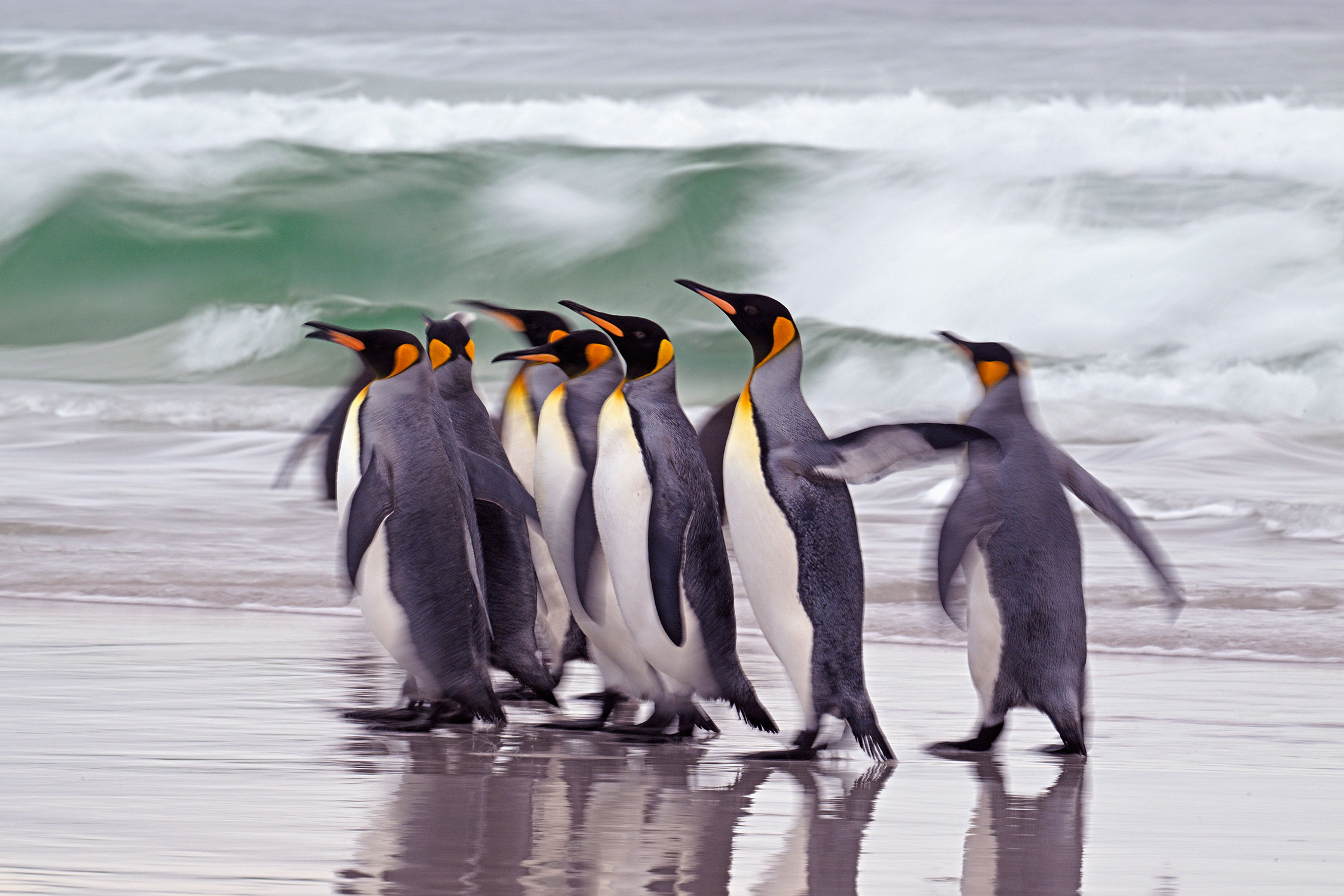
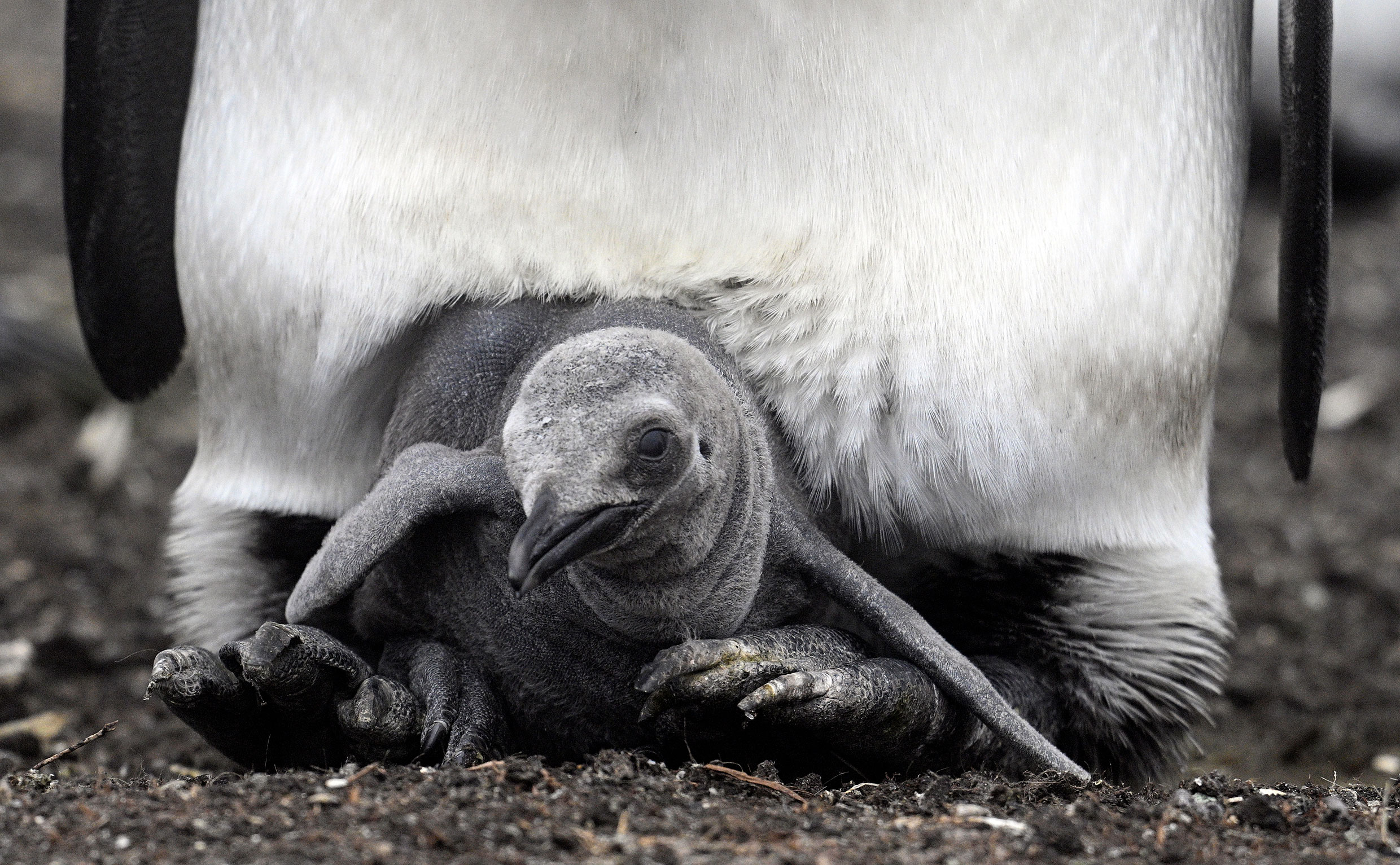
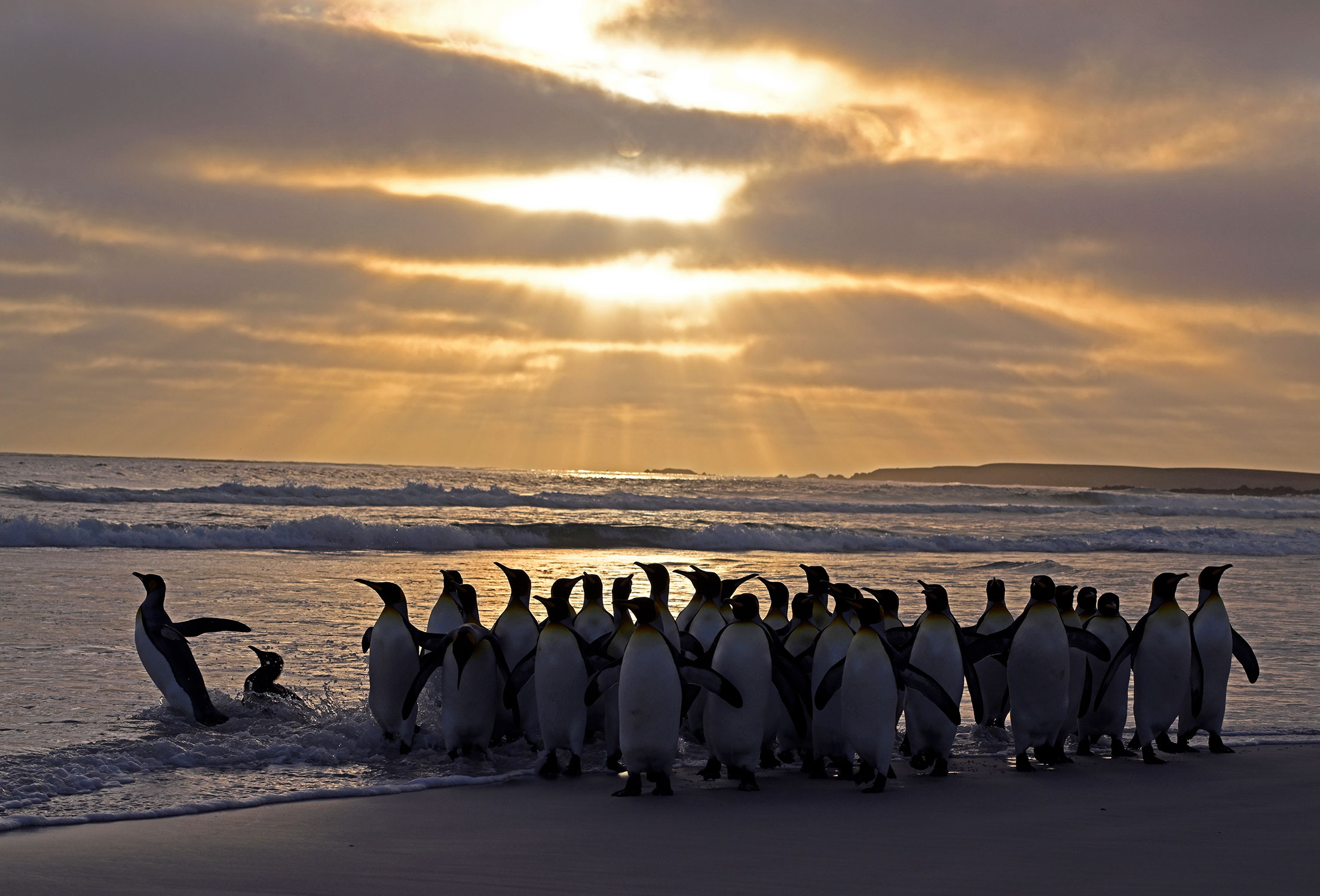
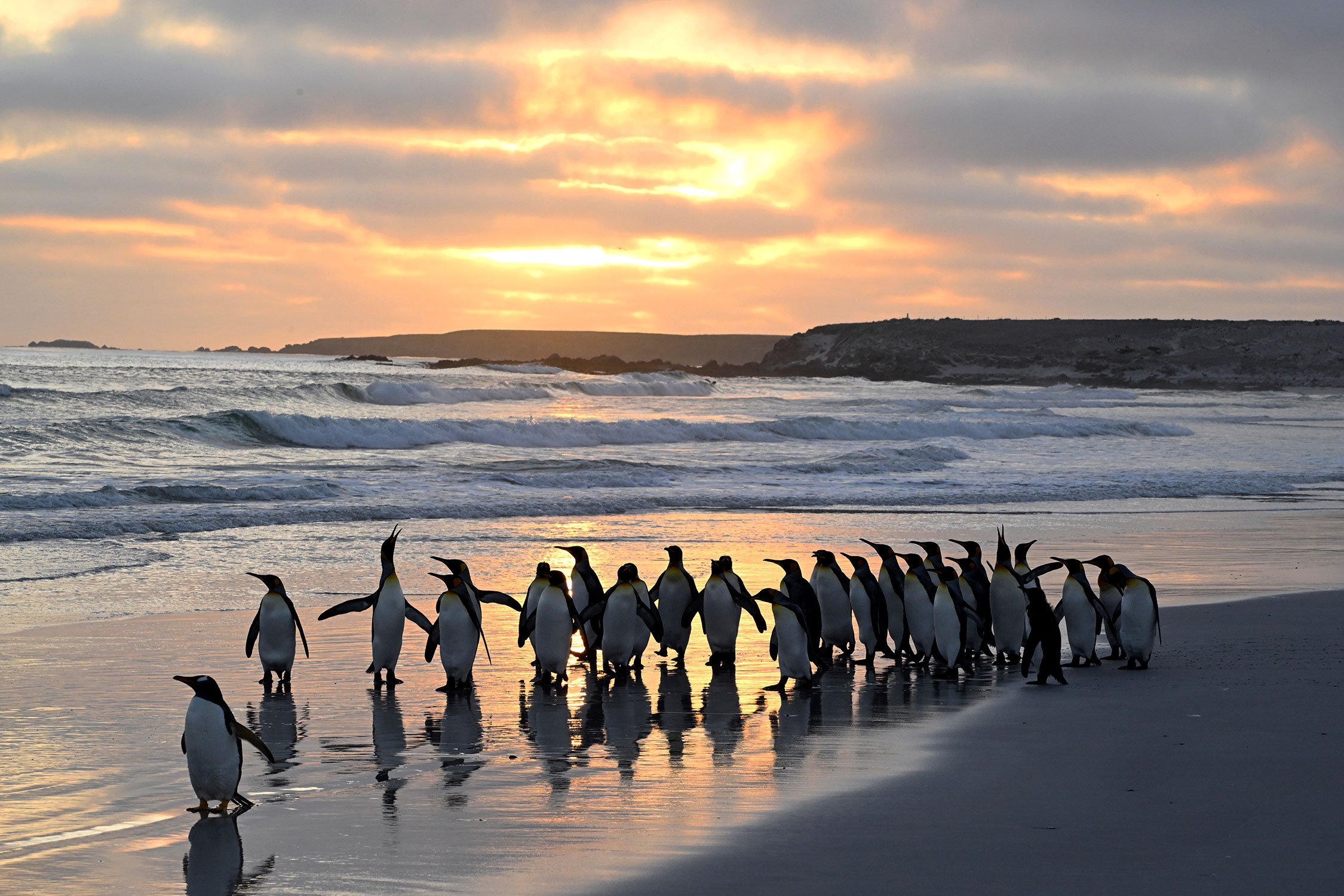
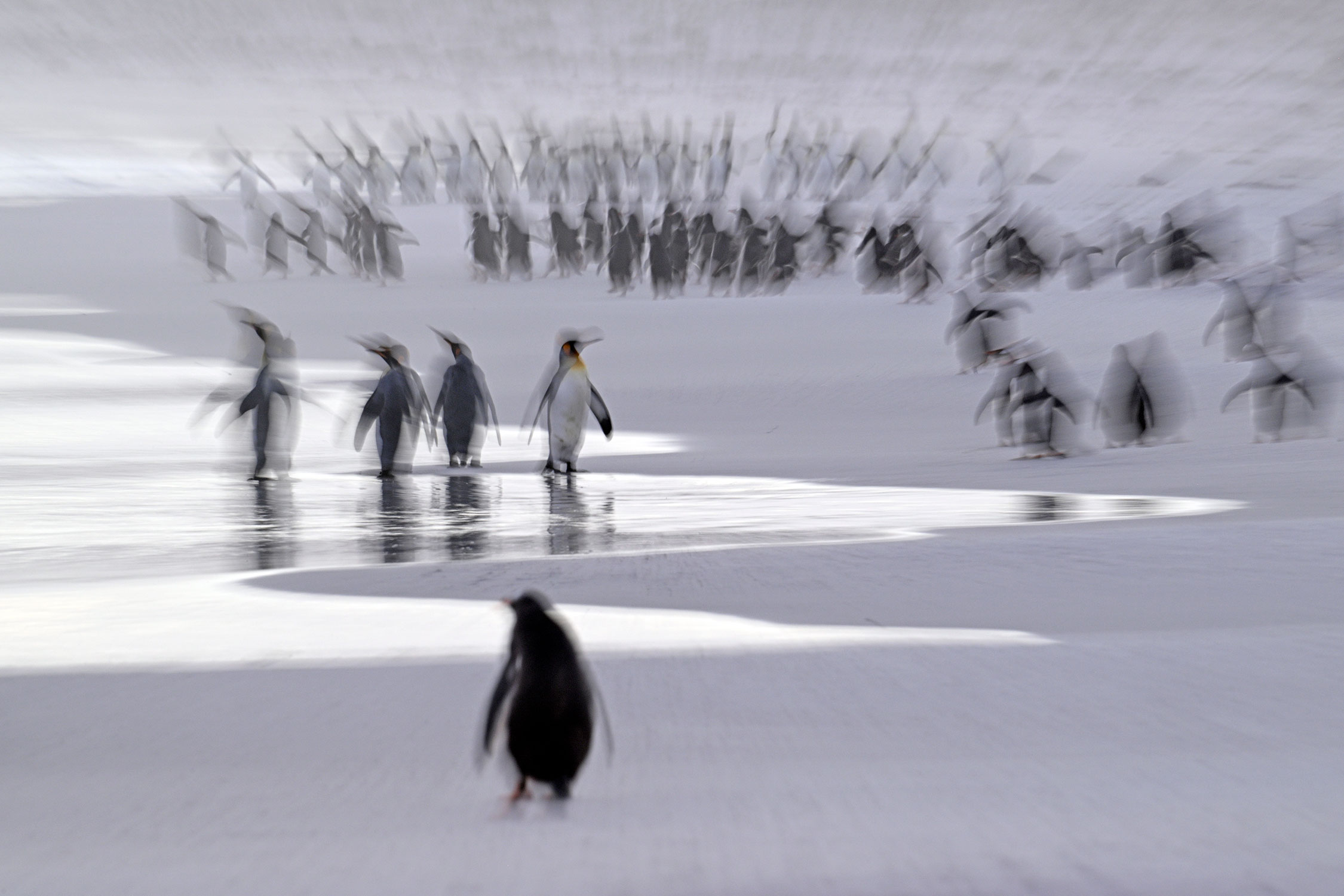
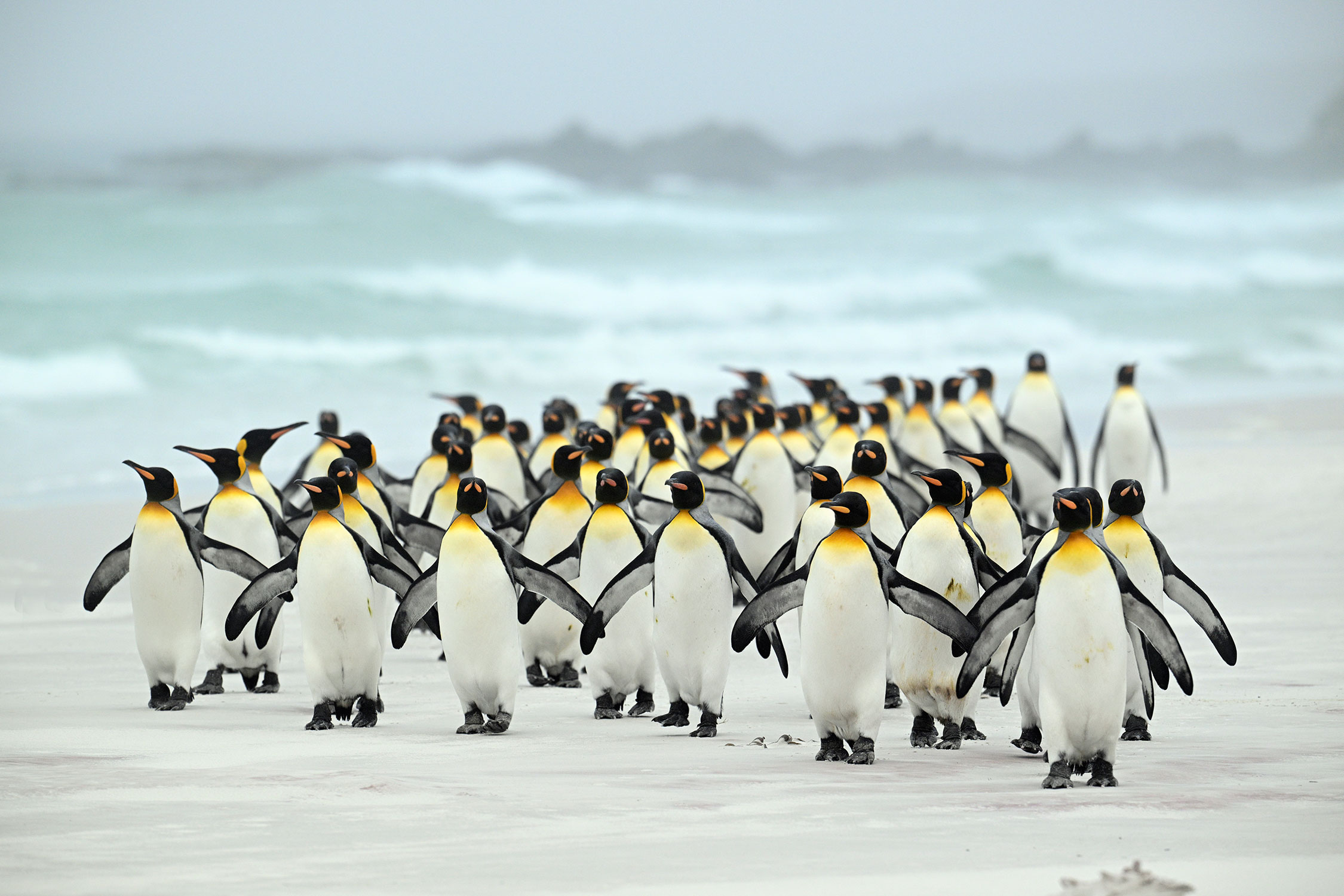
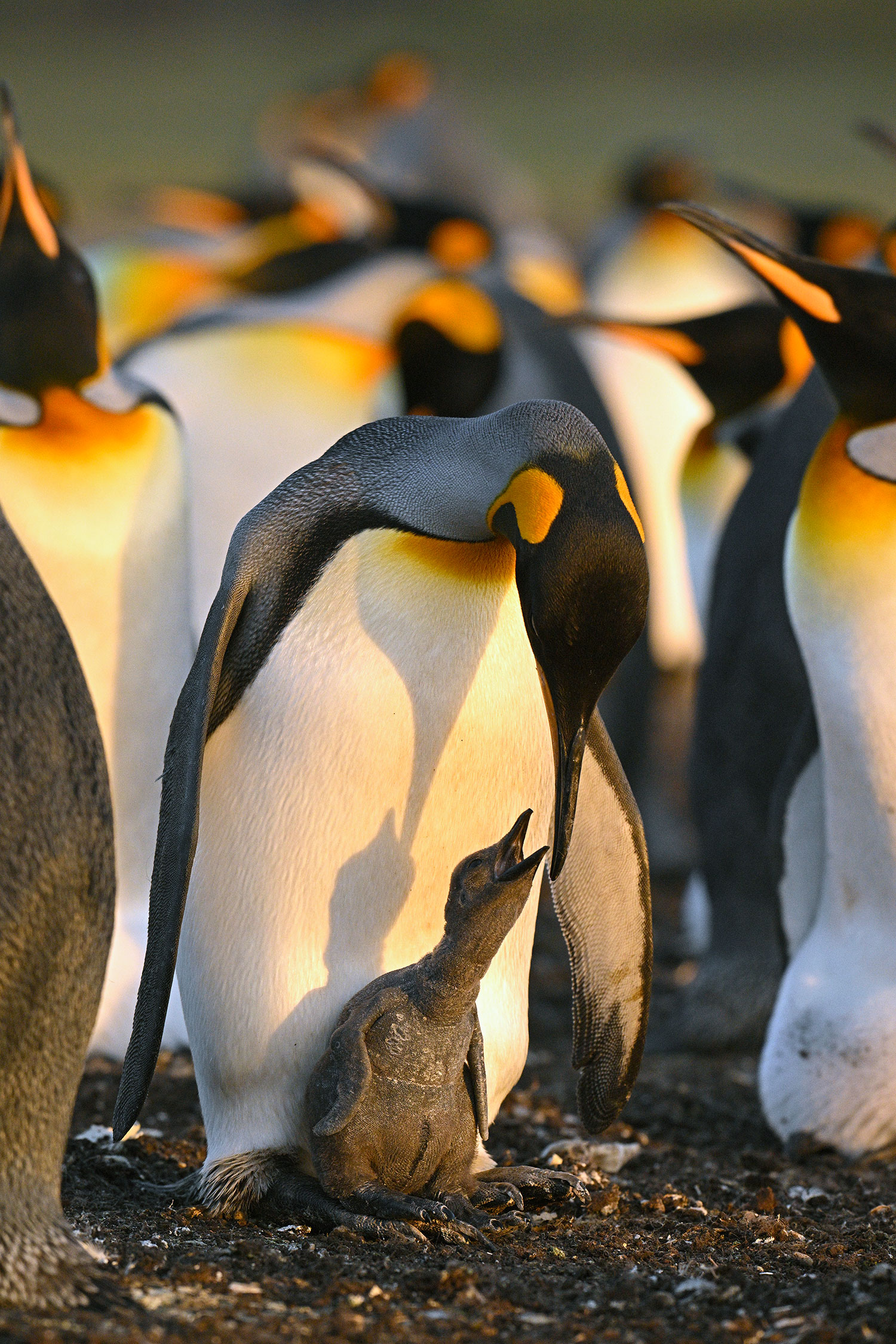
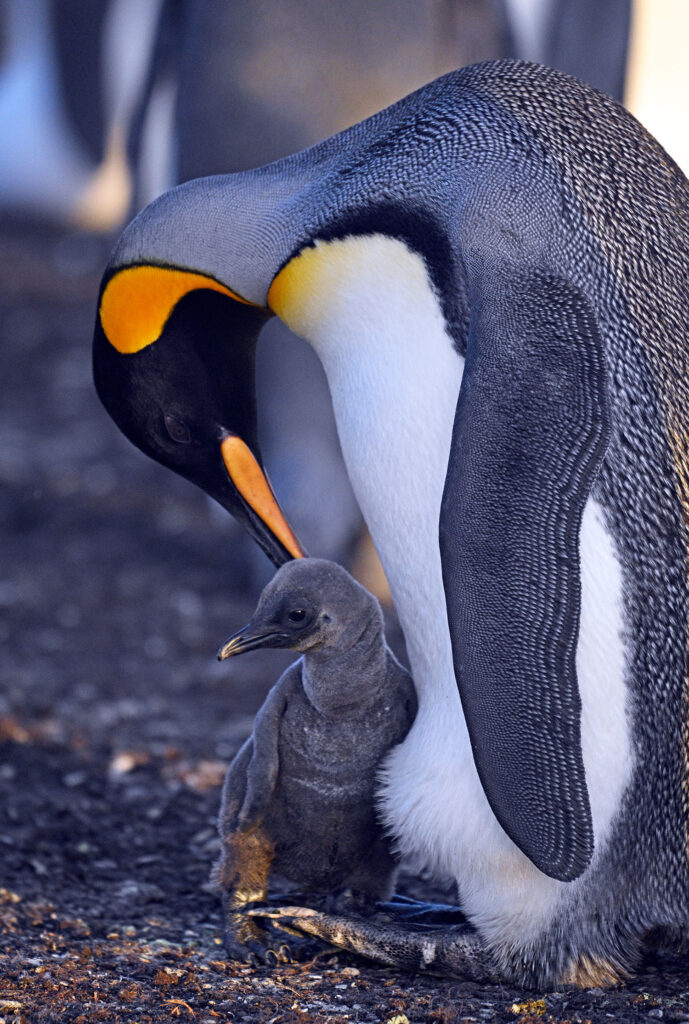
Our epic trip concluded with a 3-night stay at Volunteer Point, accessed by a rough ride over the boggy “camp” terrain to get to the warden’s settlement, about an hour’s drive from civilization and conveniences like an electric grid and public water. The sheer inaccessibility of Volunteer makes it a good spot for the Falkland’s only huge king penguin colony, some 3,000 strong. Our host fed us wonderful meals, yet the room was a bit cramped with a roommate just feet away. Yet the inconvenience was worth it to have such access at dawn and dusk to the massive circle of nesting kings and other birds. Our trip was timed to see the king chicks fresh out of the egg. Several small chicks made for unforgettable moments as they sought comfort under mom’s warm belly while resting on her warm feet. We also staked out the beach, where groups of kings numbering anywhere from 3 to 60 would march on the sand, either headed out to sea or headed to the colony to feed the chicks. The king penguin is highly charismatic and a great way to conclude our Falklands adventure!
I do plan on returning as the photo opportunities are endless. Thank you, God, for blessing our world with the ever so lovable and entertaining penguin!